We compare Minnesota's top-rated insurance companies to find you strong coverage at a fair price. One local team handles your personal and business insurance.

Your snowmobile sits in the garage all summer, and your ATV only comes out on weekends. They're parked on your property most of the time, so your homeowners insurance should cover them, right? That assumption gets a lot of people into trouble. The reality is that your home policy offers only a thin slice of protection for recreational vehicles, and it vanishes the moment you leave your driveway. With the off-road vehicle insurance market projected to reach nearly $4 billion by 2034, more riders are recognizing the gap between what they think they have and what they actually need. If you own an ATV or snowmobile in Minnesota, understanding where on-premises coverage ends and why trail use falls outside a home policy could save you from a financial disaster. A standalone recreational policy fills those gaps in ways most people don't realize until it's too late. Here's how all of this actually works, broken down without the jargon.
The Limits of On-Premises Protection
Your homeowners policy wasn't designed with recreational vehicles in mind. It was built to protect your home, your belongings inside it, and your liability as a property owner. ATVs and snowmobiles get caught in a gray area: they're personal property stored on your premises, but they're also motorized vehicles with their own risk profile. Most standard HO-3 policies treat them as a limited afterthought, not a priority.
Understanding the 'Incidental Use' Rule
Most home policies include what's often called an "incidental use" provision for motorized vehicles. This means your ATV or snowmobile might have some liability coverage, but only while it's being used on your own property for basic maintenance or recreational purposes. Think of riding your ATV across your acreage to check a fence line or using your snowmobile to get to a detached workshop in winter.
The catch is that this coverage is narrow by design. It typically won't cover racing, rental to others, or any commercial activity. And the physical damage to the machine itself? That's usually not included at all under the liability portion. Your homeowners policy might list the ATV as personal property for theft purposes (more on that below), but the incidental use rule is strictly about liability, and it only applies while you're on your own land.
Why Liability Coverage Stops at Your Property Line
The moment you ride off your property, your homeowners liability coverage for that vehicle effectively disappears. This is the part that surprises most people. Your home policy's liability section is designed to cover incidents that happen on your premises or arise from your role as a homeowner. Once your snowmobile hits a public trail or your ATV crosses onto a neighbor's land, you're operating a motorized vehicle in a space your home policy was never meant to cover.
If you injure someone on a trail or damage another person's property while riding off-site, you're personally exposed. Medical bills from ATV accidents can be staggeringly expensive, often running into tens of thousands of dollars for serious injuries. Without off-premises liability coverage, those costs come straight out of your pocket.
Why Public Trails and Roads Require Separate Coverage
Riding on public trails, state forests, or even crossing a road introduces a completely different set of risks and legal requirements. Your homeowners policy wasn't built for any of them.
State Registration and Insurance Mandates
Minnesota requires registration for ATVs and snowmobiles used on public trails and state lands. While the state doesn't mandate liability insurance for all recreational vehicles the way it does for cars, many trail systems and riding areas require proof of registration, and some organized riding events require proof of insurance.
Several other states have moved toward mandatory insurance for ATVs used on public land, and the trend is growing. Even where insurance isn't legally required, riding without it is a massive financial gamble. A single liability claim from an accident on a public trail can exceed $100,000 when you factor in medical costs, legal fees, and property damage. Registration alone doesn't protect you from that.
The High Risk of Off-Premises Liability Claims
Trail riding and public land use carry inherently higher risks than puttering around your backyard. You're sharing space with other riders, hikers, and sometimes motor vehicles. Speeds are higher, terrain is unpredictable, and accidents happen fast.
Here's what makes this particularly dangerous from an insurance standpoint: ATV and snowmobile accidents tend to produce serious injuries. Broken bones, spinal injuries, and head trauma are common. If you cause an accident that injures another rider or a bystander, you could face a lawsuit that threatens your savings, your home equity, and your future earnings. Your homeowners policy won't step in to defend you because the incident happened off your property on a motorized vehicle. That gap between what your home policy covers and what you actually need is exactly where a standalone recreational vehicle policy fits.
Comparing Homeowners vs. Standalone Policies
The differences between these two types of coverage aren't subtle. They're dramatic, and understanding them is the fastest way to see why a separate policy matters.
Table: Coverage Comparison for ATVs and Snowmobiles
| Coverage Type | Homeowners Policy | Standalone Recreational Policy |
|---|---|---|
| On-premises liability | Limited (incidental use only) | Full coverage |
| Off-premises liability | Not covered | Covered on trails, public land, roads |
| Physical damage (collision) | Not covered | Covered |
| Comprehensive (theft, fire, vandalism) | Limited personal property coverage | Full coverage with agreed value |
| Medical payments for rider | Not covered | Covered |
| Uninsured/underinsured rider | Not covered | Available |
| Custom parts and accessories | Typically not covered | Covered up to policy limits |
| Guest passengers | Not covered off-premises | Covered |
The contrast is stark. A homeowners policy gives you a sliver of protection while the machine sits on your property. A dedicated recreational policy covers the vehicle the way your auto policy covers your car: wherever you take it.
Essential Benefits of a Dedicated Recreational Policy
A standalone policy for your ATV or snowmobile isn't just "more insurance." It's a fundamentally different type of protection designed specifically for how these vehicles are actually used.
Comprehensive and Collision for Physical Damage
Your homeowners policy won't pay to repair your ATV after you roll it on a trail or your snowmobile after a collision with a tree. A standalone policy includes collision coverage for accidents and comprehensive coverage for non-collision events like theft, fire, vandalism, and weather damage.
This matters more than many riders realize. ATV recovery rates lag significantly behind those of motorcycles, meaning if your machine is stolen, there's a good chance you'll never see it again. Without comprehensive coverage, that's a total loss you absorb yourself. A mid-range ATV runs $8,000 to $15,000 in 2026, and premium snowmobiles can easily exceed $15,000. That's a lot of money to lose because you assumed your home policy had it covered.
Medical Payments and Uninsured Rider Protection
Medical payments coverage on a recreational policy pays for your injuries (and your passenger's injuries) regardless of who caused the accident. This is separate from liability, which covers other people you injure. If you hit a rock and go over the handlebars, medical payments coverage helps with your hospital bills without requiring a liability determination.
Uninsured rider protection is equally important. If another rider causes an accident and they don't carry insurance, this coverage steps in to pay for your injuries and damage. On busy trail systems, you have no way of knowing whether the person riding toward you carries any coverage at all.
Custom Parts and Equipment Coverage
Many ATV and snowmobile owners invest thousands in aftermarket upgrades: winches, plows, custom exhaust systems, GPS units, heated grips, and performance modifications. A standard homeowners policy won't cover these add-ons, and even a basic recreational policy might cap them at a low amount.
A well-structured standalone policy lets you schedule custom parts and equipment for their actual value. This ensures your $2,500 plow setup or $1,800 track kit is covered if the machine is totaled or stolen. An independent agency like Variant Insurance Group can compare options across multiple carriers to find a policy that covers your specific modifications without overpaying.
Common Questions About Off-Road Insurance
Does my home insurance cover my ATV if it is stolen from my garage?
Possibly, but with limits. Most homeowners policies cover ATVs as personal property for theft, but the payout is usually subject to your home policy's deductible and may be capped well below the vehicle's actual value. A standalone policy with comprehensive coverage typically provides better theft protection with an agreed-upon value.
Do I need insurance if I only ride my snowmobile on my own land?
You're not legally required to carry it in most states, but you're still exposed to liability if a guest is injured while riding on your property. Your homeowners policy may offer limited incidental coverage, but a standalone policy removes the guesswork and provides broader protection.
Will my car insurance cover a trailer accident while hauling my ATV?
Your auto policy generally covers the trailer while it's attached to your vehicle, but the ATV on the trailer is a different story. Damage to the ATV during a towing accident typically isn't covered by homeowners or auto policies. You'd need a recreational vehicle policy with transit coverage or a specific endorsement.
Can I just add an endorsement to my home policy instead of a new one?
Some insurers offer a recreational vehicle endorsement on homeowners policies, but these endorsements are usually limited in scope. They might add some liability coverage but rarely include collision, comprehensive, or medical payments. For riders who use trails or public land, a full standalone policy is almost always the better option.
Is liability insurance required for public trails?
Requirements vary by state and trail system. Minnesota doesn't mandate liability insurance for all recreational vehicles, but some organized events and private trail networks do. Even where it's not required, riding without liability coverage on public land is a risk most riders can't afford to take.
Making the Right Choice for Your Ride
The question of whether your homeowners policy covers your snowmobile or ATV has a simple answer: barely, and only on your own property. The moment you trailer your machine to a trail system, cross onto public land, or even ride on a neighbor's acreage, your home policy steps aside and leaves you exposed.
A standalone recreational vehicle policy costs far less than most people expect, often between $100 and $500 per year depending on the machine and coverage levels. Compare that to the cost of a single liability claim or replacing a stolen ATV, and the math is obvious.
If you ride in Minnesota, working with a local independent agency like Variant Insurance Group means you can compare recreational vehicle policies across multiple carriers in one conversation. Your agent can match your actual riding habits, whether that's weekend trail rides, ice fishing runs, or farm use, to the right combination of coverage and price. That's a smarter approach than hoping your homeowners policy will handle something it was never designed to cover. Get your machines properly insured before the next riding season starts.
About the Author
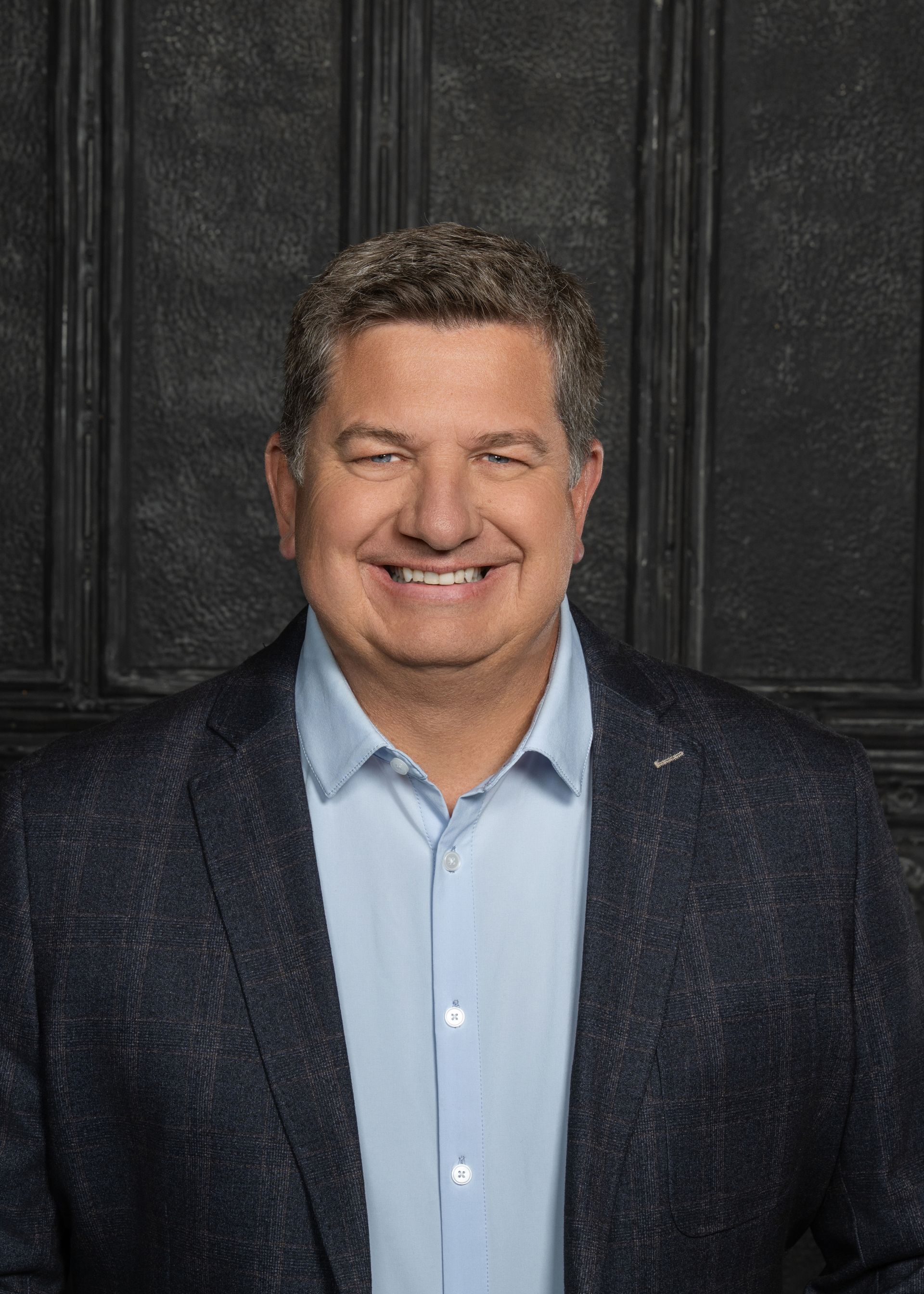
Charlie Brookins
Founder & Agent/Owner, Variant Insurance Group
I'm Charlie Brookins, founder and owner of Variant Insurance Group. I built this agency on one idea: local people and businesses deserve honest advice and coverage that fits their real life. As an independent agent in Maple Plain, I shop many of Minnesota's top-rated carriers to find the right protection for your home, auto, life, and business, and I stay with you through every claim and change. My goal is simple: give you straight answers and coverage you can trust.
Recent Posts