
We compare Minnesota's top-rated insurance companies to find you strong coverage at a fair price. One local team handles your personal and business insurance.

Manufacturing Insurance


Variant Insurance Group is a licensed independent insurance agency serving Minnesota families and businesses.

From our office in Maple Plain, our team works with many of Minnesota's top-rated carriers so your home, auto, life, and business coverage fits your real needs. We serve families and businesses across Minnesota.

04

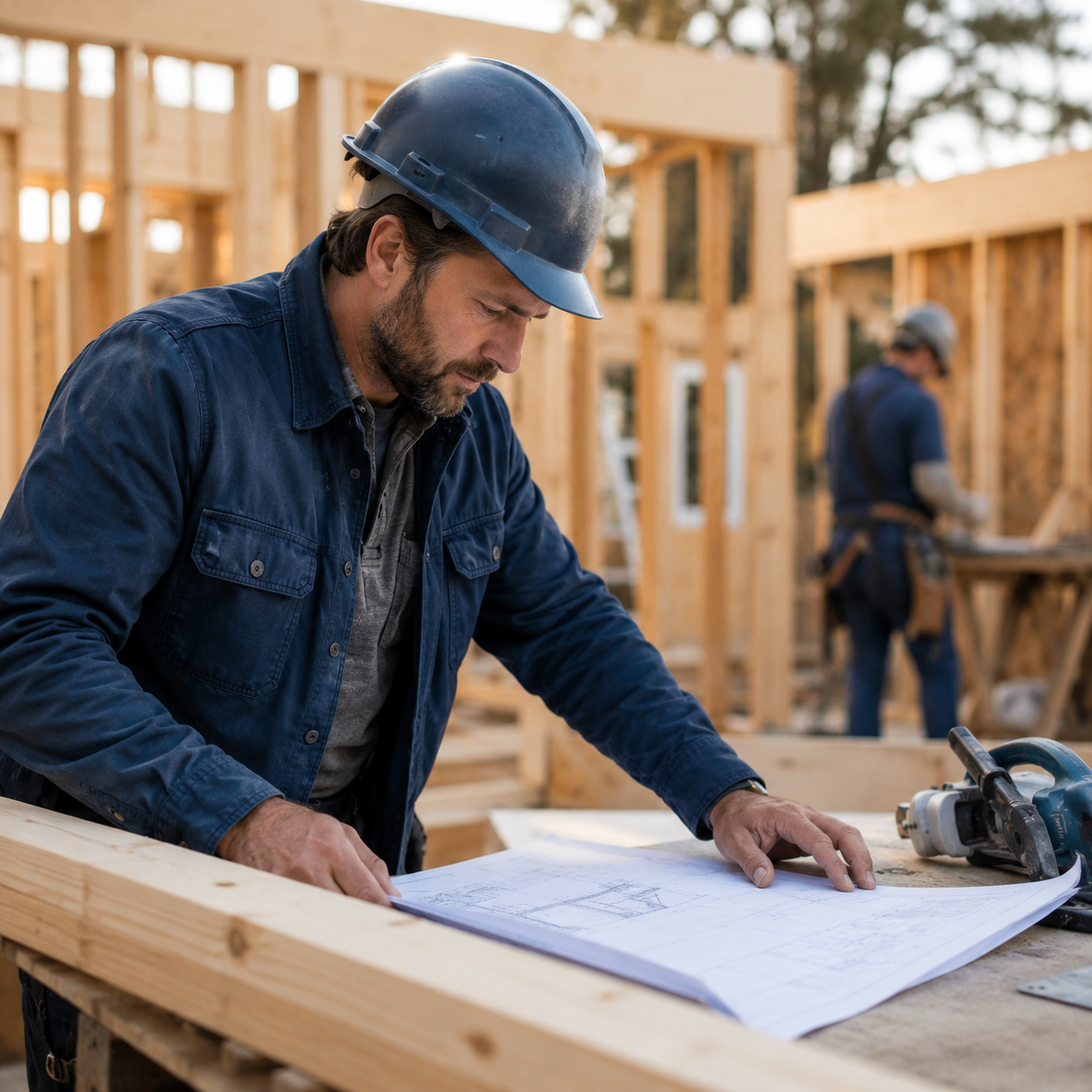
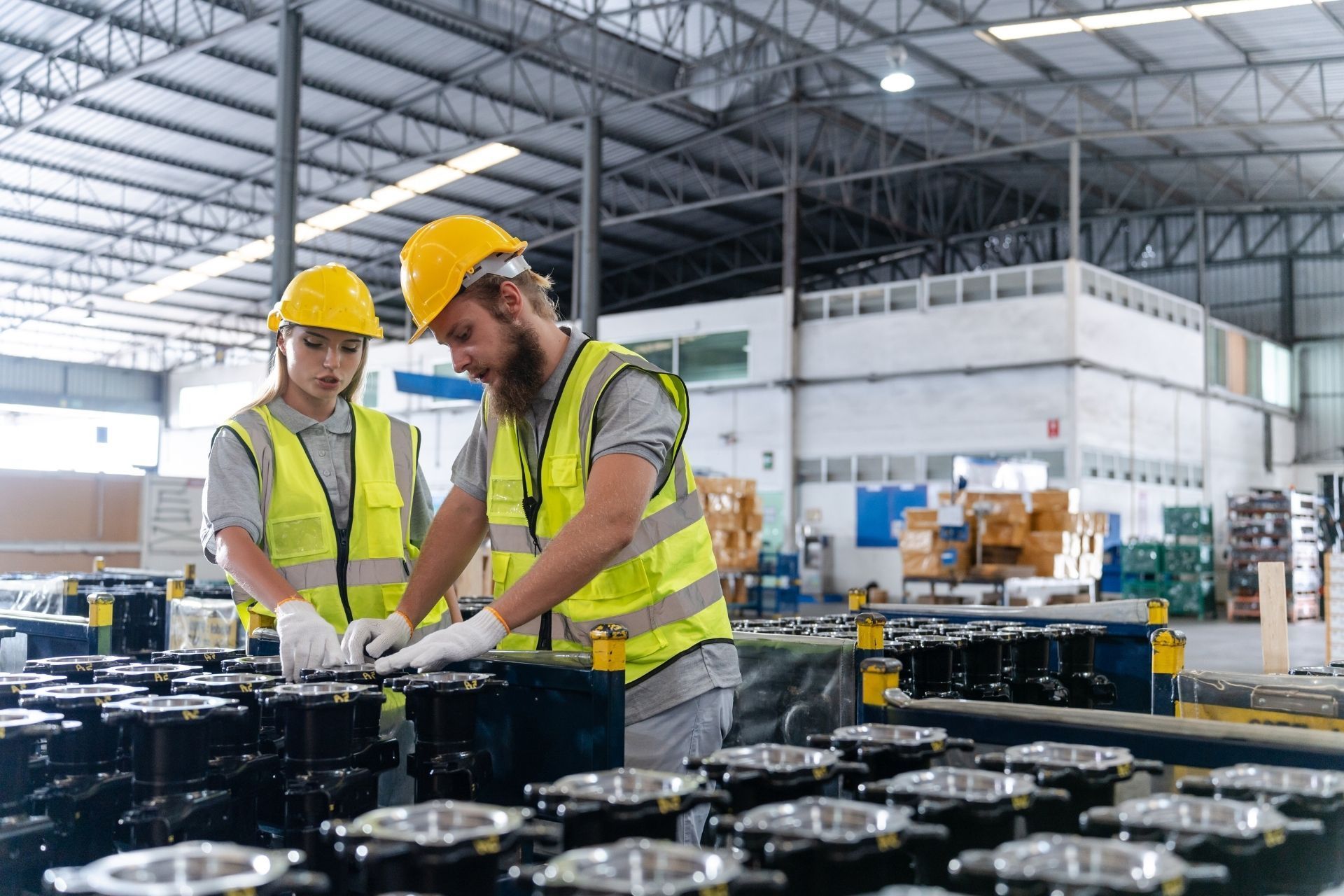
A single defective bearing in a hydraulic press can shut down a production line for weeks, trigger a product recall, and expose your business to lawsuits from customers who received faulty goods. Most manufacturers carry some form of insurance, but too many discover the gaps in their coverage only after a claim hits. The reality is that manufacturing insurance isn't one policy: it's a web of interconnected coverages, each designed to address a specific risk. Product liability, completed operations, equipment breakdown, stock valuation, contingent business interruption, and product recall exposure all play distinct roles in keeping a production operation financially intact.


If you run a manufacturing business in Minnesota or anywhere in the Midwest, understanding how these pieces fit together is the difference between a recoverable setback and a catastrophic loss. A defective part claim alone can generate six figures in legal defense costs before a jury ever sees the case. And when a key supplier goes offline, the financial bleeding starts immediately, even if your own facility is untouched. This guide breaks down the core insurance coverages manufacturers need, how they respond to real-world scenarios, and where the most common gaps hide. Whether you're stamping metal parts in Duluth or assembling consumer electronics in the Twin Cities, the exposures are more similar than you'd think: and more dangerous than most owners realize.

Core Liability: Protecting Your Business from Defective Products

Liability coverage for manufacturers sits at the intersection of what you make and what happens after it leaves your facility. A general liability policy provides some baseline protection, but manufacturing operations need specific endorsements and coverage forms to address the full range of risks tied to defective products. The stakes are high: a single product defect can generate bodily injury claims, property damage lawsuits, and regulatory actions simultaneously.

Product Liability vs. Completed Operations: Understanding the Split

Product liability and completed operations coverage are often lumped together, but they protect against different stages of risk. Product liability kicks in when a product you manufactured causes harm after it's been sold and delivered to the end user. Completed operations, on the other hand, covers claims arising from work you've finished at a customer's location: think installation, assembly, or maintenance services performed off-site.


Here's where it gets tricky. Many manufacturers assume their general liability policy automatically includes both. It often does, but the limits, exclusions, and triggers differ. A manufacturer who installs custom conveyor systems, for example, faces completed operations exposure every time a technician finishes a job. The product liability exposure exists separately for the conveyor components themselves.

How Policies Respond to a Defective Part Claim

Imagine you manufacture brake components for agricultural equipment. A batch of calipers has a metallurgical defect, and three end users report brake failures. Here's the sequence: the injured parties file claims against you, your insurer assigns defense counsel, and the policy's products-completed operations aggregate limit starts absorbing costs.


The policy typically covers bodily injury and property damage caused by the defect, plus legal defense. What it usually won't cover is the cost of replacing the defective calipers themselves: that's considered a business cost, not an insurable loss under standard CGL forms. This is a gap that catches manufacturers off guard constantly. The damage your product causes to other property or people is covered; the cost to fix or replace your own defective product is not.

Comparison: Product Liability vs. General Liability

Coverage Comparison Table

Feature General Liability (CGL) Product Liability / Completed Ops
What it covers Third-party bodily injury and property damage at your premises or from your operations Harm caused by your products after sale or work after completion
Trigger Injury/damage occurs during your operations Injury/damage occurs after product delivery or project completion
Typical limit structure Per-occurrence and general aggregate Products-completed operations aggregate (separate from general aggregate)
Cost of replacing defective product Not covered Not covered (requires separate recall or warranty coverage)
Legal defense Included Included
Common exclusions Expected/intended injury, contractual liability Sistership exclusion, recall costs, your own product's repair

The key takeaway here is that the products-completed operations aggregate is a separate bucket of money from your general aggregate. If you exhaust one, the other still stands. That's why manufacturers with significant product exposure often carry higher limits on the products-completed operations side than on general liability. An independent agency like Variant Insurance Group can compare how different carriers structure these limits, since some are far more generous than others for manufacturing risks.

Understanding where general liability ends and product-specific coverage begins can save you from expensive surprises.

Property and Inventory: Valuing Stock and Raw Materials

Your building and equipment get the most attention during policy renewals, but inventory valuation is where manufacturers frequently get shortchanged on claims.

Selling Price vs. Replacement Cost for Finished Goods

Finished goods sitting in your warehouse have already absorbed the cost of raw materials, labor, overhead, and profit margin. If a fire destroys 10,000 units of finished product, the question becomes: does your policy pay what it cost you to make them, or what you would have sold them for?


Standard property policies often default to replacement cost, which means you'd recover the cost to reproduce those goods. But if you had contractual obligations to deliver at a set price, the lost profit margin isn't automatically included. A selling price endorsement fills this gap, covering the retail or contract value of finished inventory. For manufacturers with thin margins and high volume, the difference between replacement cost and selling price can be hundreds of thousands of dollars on a single claim.

Protecting Raw Materials from Spoilage and Damage

Raw materials present their own valuation challenge. Specialty polymers, food-grade ingredients, and temperature-sensitive chemicals can lose all value from a power outage or refrigeration failure: events that don't involve fire, theft, or any of the perils most people associate with property insurance.


Spoilage coverage and equipment breakdown endorsements (more on that below) work together here. A food manufacturer in southern Minnesota storing $200,000 in dairy ingredients needs coverage that responds to compressor failure, not just a warehouse fire. Make sure your policy values raw materials at current market replacement cost, especially for commodities with volatile pricing.

Equipment Breakdown and Technical Failures

Beyond Fire and Theft: Why Specialized Machinery Needs Breakdown Coverage

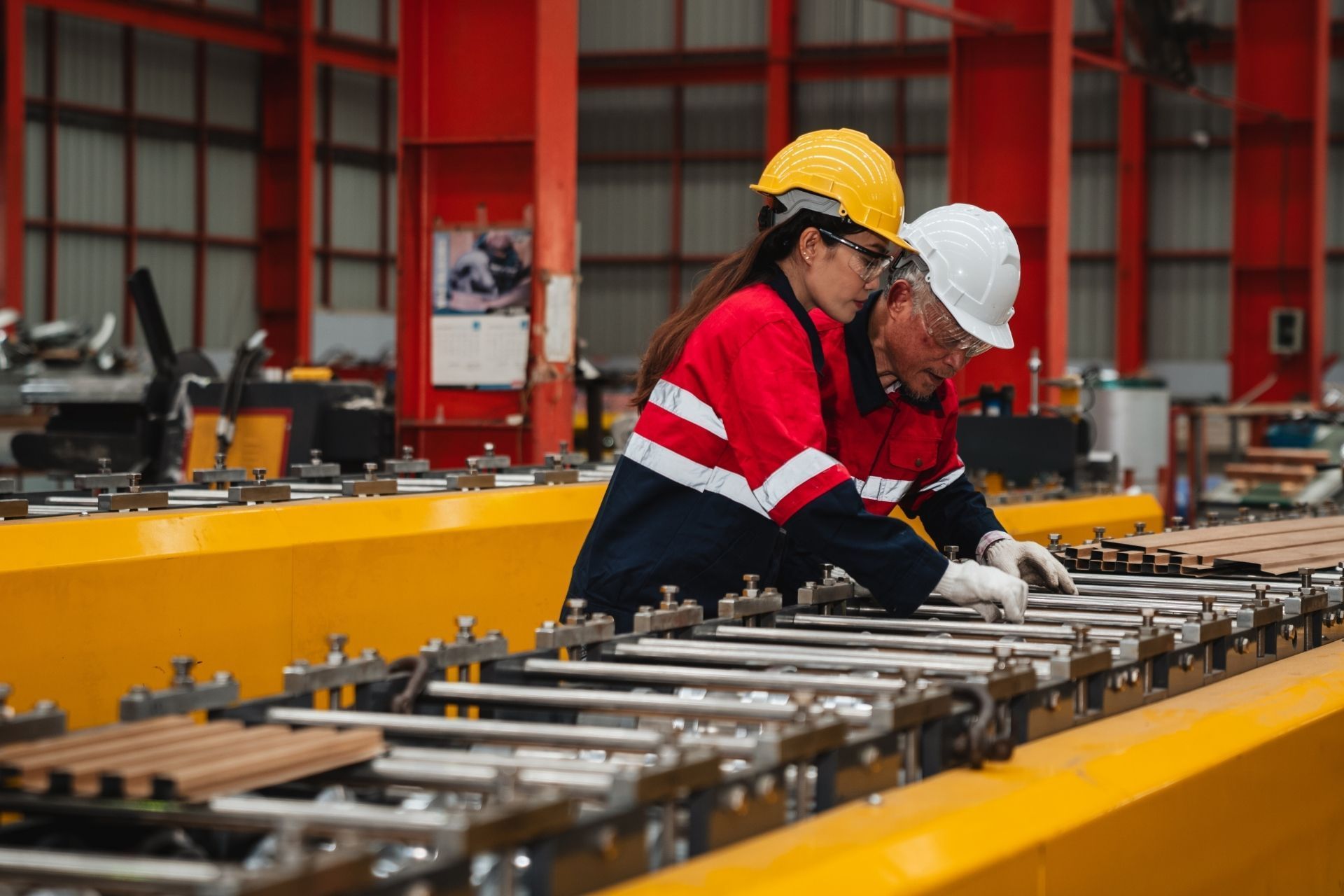
A standard property policy covers your CNC machines, injection molders, and packaging lines against fire, windstorm, and similar named perils. What it typically excludes is mechanical or electrical breakdown: the motor that burns out, the control board that fails, the boiler that cracks from pressure.


Equipment breakdown coverage (sometimes still called boiler and machinery insurance) fills this gap. It covers the cost to repair or replace the equipment, plus the income you lose while it's down. For a manufacturer running three shifts on a single production line, even 48 hours of downtime can mean $50,000 or more in lost revenue. FM Global recently noted that resilience-focused insurance policies for manufacturers are becoming essential as production technology grows more complex and interdependent.


One thing to keep in mind: equipment breakdown policies often include coverage for the cost of temporary equipment rental and expediting expenses to speed up repairs. These sub-limits matter. A $10,000 expediting limit won't help much if you need to air-freight a replacement servo motor from Germany.

Contingent Business Interruption: When the Problem Isn't Yours

This is the coverage most manufacturers either don't have or don't have enough of. Contingent business interruption (CBI) protects your income when a supplier or key customer suffers a covered loss that disrupts your operations.

Managing Supply Chain Disruptions and Vendor Failures

Think about it this way: your facility is fine, your equipment is running, your workforce is ready, but your sole-source resin supplier had a plant explosion and can't ship for three months. Your production stops. Standard business interruption insurance won't pay because your property wasn't damaged. CBI is designed precisely for this scenario.


Global supply chain disruptions cost businesses an estimated $184 billion annually, yet only about 3% of risk managers rate their supply chains as highly resilient. That disconnect is staggering. Most CBI policies require you to identify and schedule your key suppliers and customers, and coverage only applies to those named entities. If you switch to a new supplier mid-year and don't update your policy, you may have no coverage for a disruption at that new vendor's facility.


The claims process for CBI can be complex. You'll need to demonstrate the direct link between the supplier's loss and your income reduction, and insurers will scrutinize whether you could have sourced materials elsewhere. Having a clear understanding of CBI policy terms and triggers before a loss occurs is critical. This is an area where working with Variant Insurance Group pays off: an independent agent can compare CBI terms across multiple carriers, since waiting periods, covered causes of loss, and sub-limits vary dramatically.


Key considerations for manufacturers evaluating contingent business interruption coverage include whether the policy covers losses from unnamed suppliers, whether it extends to second-tier vendors, and how the waiting period is calculated. Some policies start the clock from the date of the supplier's loss; others start from when your production actually stops.

Common Questions About Manufacturing Insurance

FAQ: Coverage Basics and Claims

Does my general liability policy cover product recalls? No. Standard CGL policies specifically exclude recall costs. You need a separate product recall or product withdrawal policy, which covers notification expenses, shipping and disposal costs, and sometimes lost profits during the recall period.


What's the difference between business interruption and contingent business interruption? Business interruption covers your lost income when your own property suffers a covered loss. Contingent business interruption covers your lost income when a supplier's or customer's property suffers a covered loss that impacts your operations. Both are essential for manufacturers, and understanding the distinction can prevent costly gaps.


How should I value my inventory on my property policy? Finished goods should ideally be valued at selling price if you have firm orders or contracts. Raw materials should be valued at current replacement cost. Work-in-progress is trickier: it includes raw material cost plus labor invested to that point. Review these valuations at least annually.


Do I need equipment breakdown coverage if my machines are new? Yes. New equipment fails too, often due to manufacturing defects in the machinery itself, installation errors, or electrical surges. Warranty coverage from the manufacturer may cover the part but won't cover your lost production income or the labor to install a replacement.


Can I cover suppliers I haven't specifically named on my policy? Some CBI policies offer blanket coverage for unnamed suppliers, though limits are typically lower than for scheduled vendors. If you rely on a small number of critical suppliers, name them explicitly for higher coverage limits.


Is product recall insurance expensive? It varies widely by industry and risk profile. A food manufacturer will pay significantly more than a metal stamping operation. Premiums typically range from $5,000 to $50,000+ annually depending on revenue, product type, and distribution channels.

Making the Right Choice for Your Production Line

Manufacturing insurance isn't a single product you buy off the shelf. It's a layered program where product liability, completed operations, equipment breakdown, inventory valuation, contingent business interruption, and recall coverage each address a distinct vulnerability. Miss one layer and you're exposed to exactly the kind of loss that can close a business permanently.


The most common mistake? Assuming a standard business owner's policy covers manufacturing risks adequately. It almost never does. Manufacturers need tailored endorsements, accurate inventory valuations updated at least annually, and CBI coverage that reflects their actual supply chain, not a generic template.


If you're a Minnesota manufacturer reviewing your coverage, start by mapping your top five suppliers and confirming they're scheduled on your CBI policy. Check whether your finished goods are valued at selling price or replacement cost. And ask your agent point-blank whether your equipment breakdown sub-limits would actually cover a major production line failure. Variant Insurance Group shops multiple carriers specifically to find the right combination of coverage and pricing for production operations: that kind of comparison shopping is how you avoid paying too much for too little protection.

By: Charlie Brookins

Agent/Owner, Variant Insurance Group

Variant Insurance Group is a licensed independent insurance agency serving Minnesota families and businesses.

From our office in Maple Plain, our team works with many of Minnesota's top-rated carriers so your home, auto, life, and business coverage fits your real needs. We serve families and businesses across Minnesota.

About the Author

Charlie Brookins

Founder & Agent/Owner, Variant Insurance Group

I'm Charlie Brookins, founder and owner of Variant Insurance Group. I built this agency on one idea: local people and businesses deserve honest advice and coverage that fits their real life. As an independent agent in Maple Plain, I shop many of Minnesota's top-rated carriers to find the right protection for your home, auto, life, and business, and I stay with you through every claim and change. My goal is simple: give you straight answers and coverage you can trust.

One agent, many carriers

We represent many top-rated insurance companies. You get more coverage choices, better pricing, and one point of contact for every policy you own.

01

We shop as your life changes

04

New home, new vehicle, or a growing business? We re-shop your coverage across carriers so your protection keeps pace and your rate stays fair.

Personal Insurance

Coverage for your home, auto, and life

Protection for the people and things that matter most, shopped across Minnesota's top-rated carriers.

Auto Insurance

Coverage for your car, truck, or SUV. We compare carriers to protect you on the road at a fair price.

Home Insurance

Protection for your house, your belongings, and your liability. We match you with the right coverage for your home.

Life Insurance

Support for the people who depend on you. We help you compare term and whole life options that fit your budget.

Umbrella Insurance

Extra liability protection above your home and auto limits. A strong safety net for your family and your assets.

Renters Insurance

Coverage for your belongings and liability in a rented home or apartment. Affordable protection with quick setup.

Recreational Vehicle Insurance

Coverage for boats, motorcycles, ATVs, and campers. Enjoy the season with the right protection in place.

One agent, many carriers

We represent many top-rated insurance companies. You get more coverage choices, better pricing, and one point of contact for every policy you own.

01

We shop as your life changes

04

New home, new vehicle, or a growing business? We re-shop your coverage across carriers so your protection keeps pace and your rate stays fair.

Business Insurance

Coverage that protects what you have built

Liability, property, auto, and more, shopped across Minnesota's top-rated commercial carriers.

One agent, many carriers

We represent many top-rated insurance companies. You get more coverage choices, better pricing, and one point of contact for every policy you own.

01

We shop as your life changes

04

New home, new vehicle, or a growing business? We re-shop your coverage across carriers so your protection keeps pace and your rate stays fair.

Industries we serve

Coverage built for your industry

Contractor Insurance

Coverage for Minnesota contractors and the trades — general liability, tools and equipment, property, and workers comp. Protection for the job site and the crew.

Apartment Complex Insurance

Your income depends on the housing you provide, and wind, fire, or flood can interrupt it. Apartment Complex Insurance helps protect your property, your liability if a tenant or worker is injured, and your personal assets.

Brewery Insurance

You have pictured this brewery for years. Whether you just make great beer or serve food and merchandise too, Variant helps Minnesota breweries find the right coverage, from startups to major production facilities.

Our carrier bench

We shop these carriers so you don't have to

Plus specialty market access through Burns & Wilcox, CRC Group, Amwins, RPS and US Assure.

One agent, many carriers

We represent many top-rated insurance companies. You get more coverage choices, better pricing, and one point of contact for every policy you own.

01

We shop as your life changes

04

New home, new vehicle, or a growing business? We re-shop your coverage across carriers so your protection keeps pace and your rate stays fair.

Four steps, one real person from start to finish.

30 seconds — name, email, phone. Or just call. We’ll ask the right questions from there.

4

We stay in your corner

See all the industries we cover →

In their words

What our clients say

Frequently asked questions

Your insurance questions, answered

These are the questions Minnesota families and businesses ask us most. If you don't see yours here, call or message us — a real local agent is glad to help.

  • What does an independent insurance agency do?

    An independent agency represents many insurance companies instead of just one. We shop your coverage across those carriers and compare protection and price for you.


    That means more choices and one local team for every policy. You get honest guidance and a single point of contact you can trust.

  • How do you find me the best rate?

    We start with your details and what you need to protect. Then we compare quotes from many top-rated carriers side by side.


    We explain the coverage and the cost in plain terms, so the choice is clear. As your life changes, we re-shop your policies to keep your rate fair.

  • Can you handle both my personal and business insurance

    Yes. We cover your home, auto, and life along with your workers comp, commercial property, and commercial auto.


    One team manages it all, so you make one call for every policy. That saves you time and keeps your coverage consistent.

  • What should I do if I need to file a claim?

    Call us or contact your carrier as soon as it is safe to do so. Gather photos, notes, and any details about what happened.


    Our local team walks you through each step and follows up with the carrier. We stay in your corner until the claim is resolved.

  • Which areas do you serve?

    Our office is in Maple Plain, Minnesota, and we serve families and businesses across the state. You can visit us, call, or email.


    We know the local area and the coverage Minnesota requires. [CONFIRM: list any additional licensed states.]

  • How do I get started?

    Request a quote online or call 763-333-2533. Share a few details and we take it from there.


    We shop your coverage, compare your options, and explain what fits. There is no pressure and no obligation to buy.

One agent, many carriers

We represent many top-rated insurance companies. You get more coverage choices, better pricing, and one point of contact for every policy you own.

01

We shop as your life changes

04

New home, new vehicle, or a growing business? We re-shop your coverage across carriers so your protection keeps pace and your rate stays fair.

See all the industries we cover →

Named an Auto-Owners Sapphire Agency — a distinction reserved for a select group of the carrier's top-performing independent agencies.

From our blog

Insurance tips for Minnesota

Practical guides on coverage for your home, auto, and business.

28 August 2026
Learn what an HOA master policy covers, bare walls vs. all-in coverage, where HO-6 insurance applies, and how loss assessments affect owners.
28 August 2026
Learn what a Business Owners Policy covers, including property, liability, business income, eligibility rules, and common coverage gaps.
28 August 2026
Learn who pays when pipes freeze in a rental, how landlord and renters insurance split losses, and when heat maintenance clauses can affect coverage.

763-333-2533

Let's get started

Ready for clearly different insurance?

Get a free quote and see how much a local, independent agency can do for you. No pressure, no obligation.

763-333-2533

info@variantinsurance.com

5159 Main Street East #200, Maple Plain, MN 55359

 Monday–Friday, 8:30am–5:00pm