
We compare Minnesota's top-rated insurance companies to find you strong coverage at a fair price. One local team handles your personal and business insurance.

Minnesota Manufacturing Insurance


Variant Insurance Group is a licensed independent insurance agency serving Minnesota families and businesses.

From our office in Maple Plain, our team works with many of Minnesota's top-rated carriers so your home, auto, life, and business coverage fits your real needs. We serve families and businesses across Minnesota.

04

Product Liability: Protecting Against Quality and Design Claims

Product liability is the exposure that can bankrupt a manufacturer overnight. If a component you produce fails and injures someone, or if a design flaw causes property damage downstream, the legal and financial consequences can dwarf your annual revenue. Minnesota courts take these cases seriously, and plaintiff attorneys know exactly how to build them.


The risk isn't limited to consumer goods. B2B manufacturers face product liability claims from other businesses when their parts or materials cause failures in finished products. A valve manufacturer whose product fails in a hydraulic system, causing a construction accident, is going to hear from lawyers.

General Liability vs. Product Liability: Key Differences

Most manufacturers carry general liability (GL) insurance and assume it covers everything. It doesn't. Here's the distinction:

Feature General Liability Product Liability
What it covers Bodily injury or property damage on your premises or from your operations Injury or damage caused by your product after it leaves your facility
Trigger Incident occurs at or near your location Product fails, malfunctions, or causes harm anywhere
Typical claims Visitor slips on factory floor End user injured by defective component
Coverage scope Your operations Your finished goods in the marketplace
Defense costs Included Included, but limits can erode faster

GL policies often include some products-completed operations coverage, but the sublimits are usually far too low for serious claims. A dedicated product liability policy or a properly structured commercial umbrella is essential.

Minnesota Statutes of Repose and Manufacturing Risks

Minnesota has a statute of repose that limits how long after a product's first sale a claim can be filed. For most products, this window is six years from the date of first sale, use, or consumption. That sounds protective, but six years is a long time, and the clock doesn't start until the product actually reaches the end user, not when it leaves your dock.


For manufacturers of durable goods or components with long service lives, this means you could face claims on products you built years ago. Keep thorough records of design specifications, quality testing, and component sourcing. Those records are your first line of defense.

Equipment Breakdown Coverage for Aging Production Lines

Here's a reality most Minnesota manufacturers live with: their production equipment isn't new. Many facilities run CNC machines, presses, and conveyors that are 15 to 25 years old. These machines still produce quality parts, but their failure risk increases every year. The rising cost of equipment breakdown claims has been a consistent trend, driven by both aging infrastructure and the increasing complexity of modern control systems retrofitted onto older frames.


A single motor failure on a critical production line can halt output for days or weeks while you source replacement parts for a machine that's no longer in production. The financial impact goes beyond the repair bill.

Why Standard Property Insurance Isn't Enough for Machinery

Standard property insurance covers damage from external events: fire, storms, vandalism. What it typically excludes is internal mechanical or electrical failure. If your 20-year-old injection molding machine's hydraulic pump fails because of normal wear and internal stress, your property policy will likely deny that claim.


Equipment breakdown coverage (sometimes called boiler and machinery insurance) fills this gap. It covers the cost of repairing or replacing machinery that fails due to mechanical breakdown, electrical arcing, motor burnout, or pressure system failure. For manufacturers with aging equipment, this isn't optional: it's essential.

Coverage for Mechanical Failure and Electrical Arcing

Electrical arcing is one of the most common causes of equipment failure in manufacturing environments. Aging wiring, corroded connections, and worn insulation create conditions where electrical current jumps across gaps, damaging motors, control panels, and PLCs. The equipment breakdown insurance market has grown significantly as manufacturers recognize that these failures aren't covered under standard property forms.


A good equipment breakdown policy should cover the repair or replacement cost, spoilage of work-in-progress caused by the breakdown, and the income you lose while the line is down. Some policies also cover the cost of temporary equipment rental, which can be the difference between keeping a customer and losing them to a competitor.

Accurate Valuation of Stock and Raw Materials

Getting your inventory valuation right on your insurance policy is one of those details that seems boring until you file a claim. If your reported values don't match reality, you'll either overpay on premiums or, worse, collect far less than you need after a loss.


Manufacturing inventory is uniquely complicated because you're dealing with raw materials, work-in-progress, and finished goods simultaneously. Each category has a different value, and those values shift throughout the year.

Replacement Cost vs. Selling Price Valuation

There are two primary ways to value inventory on a manufacturing policy. Replacement cost covers what you'd pay to buy the same raw materials and reproduce the same goods at current market prices. Selling price valuation covers the price you'd receive from your customers for finished goods.


The difference matters enormously. If you manufacture precision metal parts and a fire destroys $200,000 worth of finished inventory, replacement cost might only reimburse you $120,000 (your material and production costs). Selling price valuation would cover the $200,000 you would have received from your buyer. For finished goods, selling price valuation protects your profit margin. For raw materials, replacement cost is usually sufficient.

Managing Fluctuating Inventory Levels Throughout the Year

Many Minnesota manufacturers experience significant seasonal swings in inventory. A food processor might hold three times more raw materials during harvest season than in winter. A holiday goods manufacturer peaks in Q3. If your policy is written based on average inventory levels, you could be severely underinsured during your peak months.


Peak season endorsements or reporting-form policies solve this problem. With a reporting form, you report your actual inventory values monthly or quarterly, and your premium adjusts accordingly. You pay for what you actually have on hand rather than a static estimate. Ask your agent about this option: it's one of the most practical ways to avoid both overpaying and being underinsured.

Contingent Business Interruption: Supply Chain Protection

Standard business interruption insurance covers your lost income when your own facility is damaged. But what happens when your facility is perfectly fine and your key supplier's plant burns down? That's where contingent business interruption (CBI) coverage comes in, and it's become one of the most critical coverages for manufacturers in 2026.


The risk is real and growing. Global supply chain disruptions continue to affect manufacturers across industries, and the trend toward single-source or sole-source suppliers has made many facilities dangerously dependent. If you source a critical resin, alloy, or electronic component from one supplier and that supplier goes offline, your production stops regardless of how well-maintained your own facility is.


CBI policies typically require you to identify your key suppliers and the potential income impact of their disruption. The coverage then reimburses your lost profits and continuing expenses during the period you can't produce. One thing to keep in mind: some CBI policies only trigger if the supplier's interruption is caused by a covered peril (like fire or windstorm), not by financial insolvency or labor disputes. Read the policy language carefully, or better yet, have an independent agent like Variant Insurance Group review it with you.

Comparing Essential Coverage Types for MN Manufacturers

Here's a quick reference for the core coverages every Minnesota manufacturer should evaluate:

Coverage Type What It Protects Who Needs It Most Common Gap
Product Liability Claims from defective products All manufacturers selling goods Sublimits too low under GL policy
Equipment Breakdown Mechanical/electrical failure of machinery Facilities with aging equipment Excluded from standard property policies
Stock Valuation Raw materials, WIP, finished goods Manufacturers with significant inventory Static values that miss seasonal peaks
Contingent BI Lost income from supplier disruption Single-source dependent manufacturers Coverage limited to named perils only
Product Recall Costs of recalling defective products Food, medical device, consumer goods makers Not included in standard liability policies

That last row, product recall, deserves special attention. U.S. recall volume exceeded one billion units in 2026, and the costs of executing a recall go far beyond the product itself. Notification expenses, shipping logistics, disposal costs, and brand rehabilitation can easily reach six or seven figures. A single contaminated ingredient triggered a 37-million-pound recall in the food sector this year, illustrating how quickly exposure can escalate. Standard liability policies don't cover recall costs: you need a dedicated product recall or product contamination policy.

Common Questions About Manufacturing Coverage

Does my general liability policy cover product defects? It includes products-completed operations coverage, but the sublimits are usually too low for serious manufacturing claims. A standalone product liability policy provides the limits and defense coverage you actually need.


How do I know if my equipment breakdown coverage is adequate? Review your policy's per-occurrence limit against the replacement cost of your most expensive machine plus 60 to 90 days of lost production income. If the limit doesn't cover both, it's too low.


What's the difference between business interruption and contingent business interruption? Business interruption covers your lost income when your own facility is damaged. Contingent BI covers your lost income when a supplier or key customer's facility is damaged, disrupting your operations indirectly.


Should I insure inventory at replacement cost or selling price? Raw materials are typically fine at replacement cost. Finished goods should be insured at selling price to protect your profit margin. Work-in-progress falls somewhere in between: discuss the right approach with your agent.


Is product recall coverage included in my liability policy? Almost never. Recall expenses, including notification, retrieval, disposal, and crisis management, require a separate product recall policy. This is especially critical for food manufacturers and medical device producers.


How often should I update my inventory valuations? At minimum, annually. If you experience significant seasonal fluctuations, a reporting-form policy that adjusts quarterly or monthly is a smarter approach.

Making the Right Choice for Your Facility

Minnesota manufacturers face a set of insurance exposures that generic commercial policies weren't designed to handle. Product liability, equipment breakdown on aging lines, accurate stock valuation, supplier dependency, and recall risk each require specific, intentional coverage decisions.


The most expensive insurance mistake isn't paying too much in premiums: it's discovering after a loss that your policy doesn't cover what you assumed it did. Take the time to audit your current coverage against the five areas outlined here. Look at your actual equipment ages, your real supplier dependencies, and your peak inventory values, not the numbers from three years ago.


An independent agency that represents multiple carriers can compare policy forms side by side and identify where your current program falls short. Variant Insurance Group works with Minnesota manufacturers to build coverage that matches their actual operations, not a generic template. Reach out for a policy review before your next renewal: it's the most productive hour you'll spend protecting your business this year.

By: Charlie Brookins

Agent/Owner, Variant Insurance Group

Variant Insurance Group is a licensed independent insurance agency serving Minnesota families and businesses.

From our office in Maple Plain, our team works with many of Minnesota's top-rated carriers so your home, auto, life, and business coverage fits your real needs. We serve families and businesses across Minnesota.

About the Author

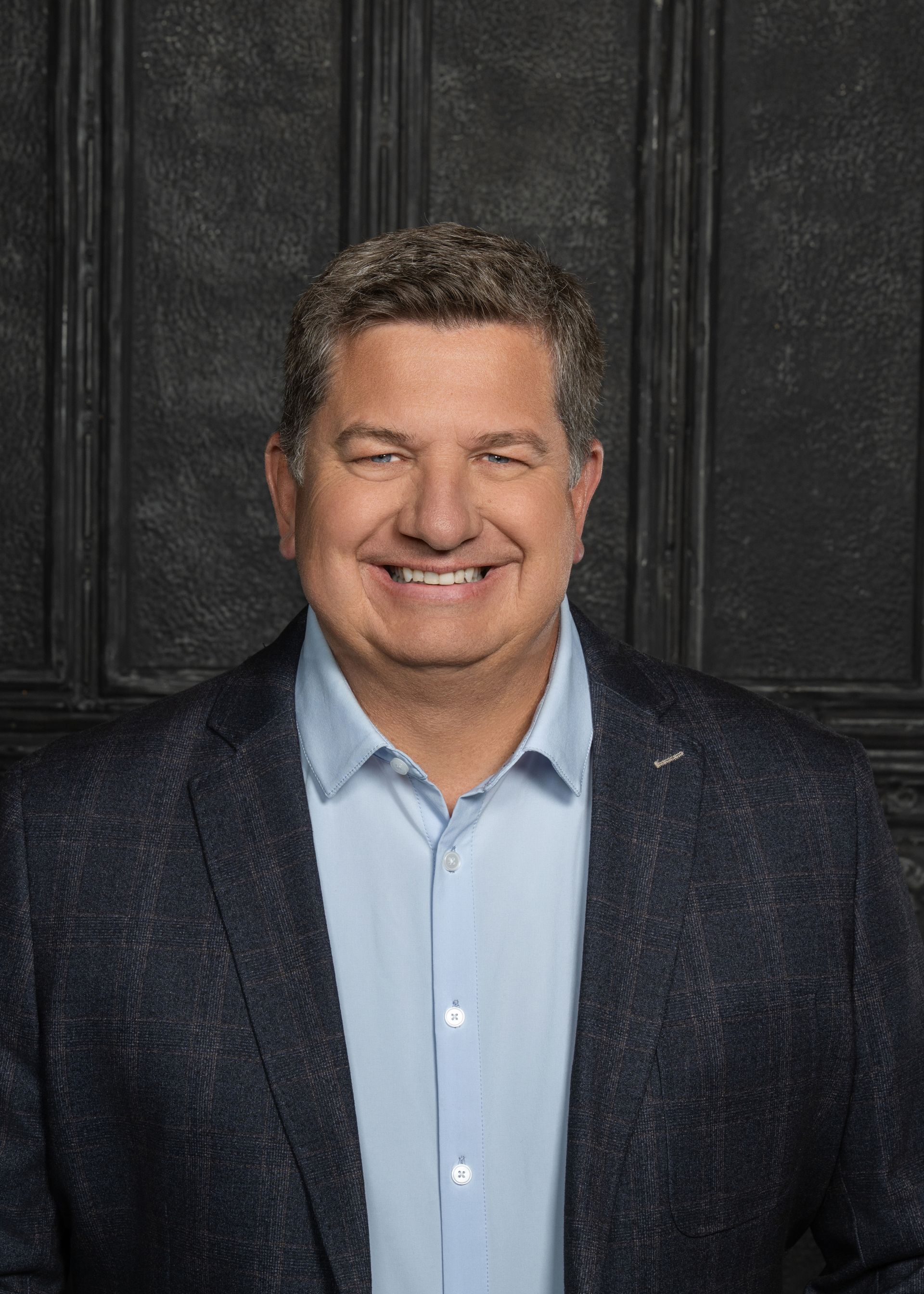
Charlie Brookins

Founder & Agent/Owner, Variant Insurance Group

I'm Charlie Brookins, founder and owner of Variant Insurance Group. I built this agency on one idea: local people and businesses deserve honest advice and coverage that fits their real life. As an independent agent in Maple Plain, I shop many of Minnesota's top-rated carriers to find the right protection for your home, auto, life, and business, and I stay with you through every claim and change. My goal is simple: give you straight answers and coverage you can trust.

One agent, many carriers

We represent many top-rated insurance companies. You get more coverage choices, better pricing, and one point of contact for every policy you own.

01

We shop as your life changes

04

New home, new vehicle, or a growing business? We re-shop your coverage across carriers so your protection keeps pace and your rate stays fair.

Personal Insurance

Coverage for your home, auto, and life

Protection for the people and things that matter most, shopped across Minnesota's top-rated carriers.

Auto Insurance

Coverage for your car, truck, or SUV. We compare carriers to protect you on the road at a fair price.

Home Insurance

Protection for your house, your belongings, and your liability. We match you with the right coverage for your home.

Life Insurance

Support for the people who depend on you. We help you compare term and whole life options that fit your budget.

Umbrella Insurance

Extra liability protection above your home and auto limits. A strong safety net for your family and your assets.

Renters Insurance

Coverage for your belongings and liability in a rented home or apartment. Affordable protection with quick setup.

Recreational Vehicle Insurance

Coverage for boats, motorcycles, ATVs, and campers. Enjoy the season with the right protection in place.

One agent, many carriers

We represent many top-rated insurance companies. You get more coverage choices, better pricing, and one point of contact for every policy you own.

01

We shop as your life changes

04

New home, new vehicle, or a growing business? We re-shop your coverage across carriers so your protection keeps pace and your rate stays fair.

Business Insurance

Coverage that protects what you have built

Liability, property, auto, and more, shopped across Minnesota's top-rated commercial carriers.

One agent, many carriers

We represent many top-rated insurance companies. You get more coverage choices, better pricing, and one point of contact for every policy you own.

01

We shop as your life changes

04

New home, new vehicle, or a growing business? We re-shop your coverage across carriers so your protection keeps pace and your rate stays fair.

Industries we serve

Coverage built for your industry

Contractor Insurance

Coverage for Minnesota contractors and the trades — general liability, tools and equipment, property, and workers comp. Protection for the job site and the crew.

Apartment Complex Insurance

Your income depends on the housing you provide, and wind, fire, or flood can interrupt it. Apartment Complex Insurance helps protect your property, your liability if a tenant or worker is injured, and your personal assets.

Brewery Insurance

You have pictured this brewery for years. Whether you just make great beer or serve food and merchandise too, Variant helps Minnesota breweries find the right coverage, from startups to major production facilities.

Our carrier bench

We shop these carriers so you don't have to

Plus specialty market access through Burns & Wilcox, CRC Group, Amwins, RPS and US Assure.

One agent, many carriers

We represent many top-rated insurance companies. You get more coverage choices, better pricing, and one point of contact for every policy you own.

01

We shop as your life changes

04

New home, new vehicle, or a growing business? We re-shop your coverage across carriers so your protection keeps pace and your rate stays fair.

Four steps, one real person from start to finish.

30 seconds — name, email, phone. Or just call. We’ll ask the right questions from there.

4

We stay in your corner

See all the industries we cover →

In their words

What our clients say

Frequently asked questions

Your insurance questions, answered

These are the questions Minnesota families and businesses ask us most. If you don't see yours here, call or message us — a real local agent is glad to help.

  • What does an independent insurance agency do?

    An independent agency represents many insurance companies instead of just one. We shop your coverage across those carriers and compare protection and price for you.


    That means more choices and one local team for every policy. You get honest guidance and a single point of contact you can trust.

  • How do you find me the best rate?

    We start with your details and what you need to protect. Then we compare quotes from many top-rated carriers side by side.


    We explain the coverage and the cost in plain terms, so the choice is clear. As your life changes, we re-shop your policies to keep your rate fair.

  • Can you handle both my personal and business insurance

    Yes. We cover your home, auto, and life along with your workers comp, commercial property, and commercial auto.


    One team manages it all, so you make one call for every policy. That saves you time and keeps your coverage consistent.

  • What should I do if I need to file a claim?

    Call us or contact your carrier as soon as it is safe to do so. Gather photos, notes, and any details about what happened.


    Our local team walks you through each step and follows up with the carrier. We stay in your corner until the claim is resolved.

  • Which areas do you serve?

    Our office is in Maple Plain, Minnesota, and we serve families and businesses across the state. You can visit us, call, or email.


    We know the local area and the coverage Minnesota requires. [CONFIRM: list any additional licensed states.]

  • How do I get started?

    Request a quote online or call 763-333-2533. Share a few details and we take it from there.


    We shop your coverage, compare your options, and explain what fits. There is no pressure and no obligation to buy.

One agent, many carriers

We represent many top-rated insurance companies. You get more coverage choices, better pricing, and one point of contact for every policy you own.

01

We shop as your life changes

04

New home, new vehicle, or a growing business? We re-shop your coverage across carriers so your protection keeps pace and your rate stays fair.

See all the industries we cover →

Named an Auto-Owners Sapphire Agency — a distinction reserved for a select group of the carrier's top-performing independent agencies.

From our blog

Insurance tips for Minnesota

Practical guides on coverage for your home, auto, and business.

28 August 2026
Learn what an HOA master policy covers, bare walls vs. all-in coverage, where HO-6 insurance applies, and how loss assessments affect owners.
28 August 2026
Learn what a Business Owners Policy covers, including property, liability, business income, eligibility rules, and common coverage gaps.
28 August 2026
Learn who pays when pipes freeze in a rental, how landlord and renters insurance split losses, and when heat maintenance clauses can affect coverage.

763-333-2533

Let's get started

Ready for clearly different insurance?

Get a free quote and see how much a local, independent agency can do for you. No pressure, no obligation.

763-333-2533

info@variantinsurance.com

5159 Main Street East #200, Maple Plain, MN 55359

 Monday–Friday, 8:30am–5:00pm