

We compare Minnesota's top-rated insurance companies to find you strong coverage at a fair price. One local team handles your personal and business insurance.
Variant Insurance Group is a licensed independent insurance agency serving Minnesota families and businesses.
From our office in Maple Plain, our team works with many of Minnesota's top-rated carriers so your home, auto, life, and business coverage fits your real needs. We serve families and businesses across Minnesota.
04
Before You Buy a Policy
Most contractors and business owners hear "surety bond" and immediately think of insurance. That instinct makes sense: you're paying a premium, you're dealing with an underwriter, and the paperwork looks similar. But that assumption leads to some expensive misunderstandings. A surety bond is fundamentally a credit instrument, and the distinction shapes everything from how you qualify to what happens if a claim gets filed against you. Whether you need a bid bond for a public works project or a license bond to operate your business in Minnesota, the mechanics are different from any insurance policy you've ever purchased. This guide breaks down the major bond types, walks through the underwriting process, explains indemnity agreements in plain language, and clarifies why treating a bond like insurance can cost you. The U.S. surety market has been growing steadily, with premiums reaching $3.13 billion in Q1 2026, which tells you how many businesses rely on these instruments every year. Understanding how bonds actually work puts you in a better position to protect your company and win more contracts.
Understanding the Fundamentals of Surety Bonds
Surety bonds exist to guarantee that one party will fulfill an obligation to another. They show up in construction, licensing, court proceedings, and dozens of other contexts. But unlike an insurance policy, a bond doesn't protect the person who buys it. It protects the party requiring it.
The Three-Party Agreement: Principal, Obligee, and Surety
Every surety bond involves three parties, and keeping them straight is essential. The principal is the party purchasing the bond: typically a contractor or business owner who needs to guarantee their performance or compliance. The obligee is the party requiring the bond, often a government agency, project owner, or regulatory body. The surety is the company issuing the bond and backing the guarantee with its financial strength.
Here's the key difference from insurance: if a claim is paid, the surety doesn't just absorb the loss. The surety pays the obligee, then turns around and seeks full reimbursement from the principal. You, the bond buyer, are ultimately on the hook for every dollar.
Why a Bond is an Extension of Credit, Not Traditional Insurance
Insurance spreads risk across a pool of policyholders, expecting that some claims will be paid. Surety bonds operate on the assumption that no claims will be paid. The surety is essentially co-signing for your ability to perform. When you buy a bond, you're borrowing the surety company's financial credibility.
This is why the underwriting process feels more like applying for a loan than shopping for coverage. The surety wants to know you can fulfill your obligations, because if you can't, they'll pay first and come after you second. Your bond premium isn't a payment into a risk pool: it's a fee for using someone else's credit standing.

Contract Bonds vs. License and Permit Bonds
These two categories cover the vast majority of surety bonds issued in the United States, but they serve very different purposes and get underwritten differently.
Contract Bonds: Ensuring Project Completion (Bid, Performance, and Payment)
Contract bonds are tied to specific construction projects. They come in three flavors, and most public projects require all of them.
A bid bond guarantees that if you win a contract, you'll actually sign it and provide the required performance and payment bonds. If you walk away from a winning bid, the obligee can claim against your bid bond for the difference between your bid and the next lowest. Bid bonds typically don't cost anything upfront: the premium is built into the performance bond.
A performance bond guarantees you'll complete the project according to the contract terms. If you default, the surety steps in to arrange completion, whether by financing you to finish, hiring a replacement contractor, or paying the obligee directly.
A payment bond guarantees you'll pay your subcontractors, laborers, and material suppliers. On public projects where mechanics' liens aren't available, the payment bond is the only protection these parties have.
License and Permit Bonds: Meeting Regulatory Requirements
License and permit bonds are simpler instruments. A state or local government requires them as a condition of doing business. In Minnesota, contractors, auto dealers, mortgage brokers, and many other professionals need these bonds before they can legally operate.
The bond amount is set by statute, not by project size. A Minnesota residential contractor might need a $15,000 bond, while a freight broker needs a $75,000 bond. These bonds protect the public from financial harm caused by the bonded business, such as fraud, failure to pay taxes, or violation of regulations.
Comparison Chart: Contract vs. License Bonds
| Feature | Contract Bonds | License and Permit Bonds |
|---|---|---|
| Purpose | Guarantee project completion and payment | Guarantee regulatory compliance |
| Bond Amount | Based on contract value | Set by statute or regulation |
| Duration | Length of the project plus warranty period | Typically annual, renewed each year |
| Underwriting Rigor | Extensive: financial statements, work history | Moderate: credit check, basic financials |
| Premium Range | 1-3% of bond amount | 1-10% of bond amount |
| Who Requires It | Project owners, government agencies | State/local licensing authorities |
| Claim Trigger | Contractor default or nonpayment | Violation of licensing laws or regulations |

The Underwriting Capacity Review Process
Getting approved for a surety bond, especially a contract bond, is one of the more rigorous financial evaluations a business owner will face. The surety is putting its own money at risk, so it wants a thorough picture of your ability to perform.
The Three C's of Underwriting: Character, Capacity, and Capital
Surety underwriters evaluate three core areas. Character refers to your track record, reputation, and personal credit history. Have you completed similar projects? Do you pay your bills on time? Have you ever had a bond claim or bankruptcy? Underwriters check references, review your credit report, and sometimes interview you directly.
Capacity is about your operational ability to handle the work. This includes your equipment, workforce, management team, and experience with projects of similar size and scope. A framing contractor who has never managed a $5 million project will struggle to bond one.
Capital is the financial piece. Underwriters want to see audited or reviewed financial statements prepared by a CPA, including a balance sheet, income statement, and cash flow statement. They're looking at working capital, net worth, debt ratios, and liquidity. Strong financials are the single biggest factor in getting bonded at higher limits.
Single vs. Aggregate Limit Capacities
Your bonding capacity comes in two numbers. The single bond limit is the largest individual project you can bond. The aggregate limit is the total amount of bonded work you can have outstanding at one time.
For example, a contractor might have a single limit of $2 million and an aggregate limit of $6 million. That means they can take on multiple bonded projects as long as no single one exceeds $2 million and the total doesn't exceed $6 million. These limits aren't static: they grow as your financials improve and your track record lengthens. The 2026 construction surety forecast suggests that capacity remains broadly available for well-qualified contractors, though underwriters are paying closer attention to backlog and profit margins.
The Role of Indemnity Agreements
Before any surety will issue a bond, you'll sign an indemnity agreement. This is the document most principals gloss over, and it's the one that matters most if things go wrong.
Personal and Corporate Indemnification Requirements
The indemnity agreement gives the surety the legal right to seek full reimbursement from you if it pays a claim. For small and mid-sized contractors, the surety almost always requires both corporate and personal indemnity. That means your personal assets: your house, savings, investments: are on the line, not just your company's assets.
Spouses are frequently required to sign as well, which surprises many people. The surety's logic is straightforward: if you can shift personal assets to a spouse to avoid repayment, the indemnity agreement loses its teeth. This is another reason why surety bonds function as credit rather than insurance. No insurance company asks you to personally guarantee claim payments.
What Happens During a Claim: The Right to Reimbursement
When an obligee files a claim, the surety investigates. If the claim is valid, the surety pays and then exercises its indemnity rights against the principal. The surety can demand access to your books, take over your contract rights, and pursue legal action to recover every dollar it spent, including legal fees and investigation costs.
This process can be financially devastating for an unprepared contractor. Working with an independent agency like Variant Insurance Group helps you understand these obligations before you sign. An experienced agent can also help you find sureties that work constructively with principals during claims rather than immediately pursuing aggressive recovery.
Frequently Asked Questions About Surety Bonds
How much does a surety bond actually cost?
For contract bonds, expect to pay 1-3% of the bond amount annually, depending on your financial strength and experience. License bonds for well-qualified applicants often cost as little as 1-2% of the required bond amount. A $25,000 license bond might cost $250-$500 per year.
Do I get my money back when the bond is finished?
No. The premium you pay is a fee for the surety's guarantee, and it's fully earned once the bond is issued. If no claims are filed, you don't receive a refund. This is similar to how you don't get your car insurance premium back for not having an accident.
Can I get a bond if I have bad credit?
Yes, but it costs more. Some sureties specialize in higher-risk applicants and will issue bonds at premium rates of 5-10% or higher. For contract bonds, poor credit combined with weak financials may limit your bonding capacity significantly. An independent agent who works with multiple surety companies can often find options that a single-carrier agent cannot.
What is the difference between a bond and a bank letter of credit?
Both provide financial guarantees, but a letter of credit ties up your cash or credit line at the bank. A surety bond preserves your banking relationships and working capital because the surety provides the guarantee based on your overall creditworthiness. For contractors, this distinction is critical: bonding keeps your bank lines available for equipment, payroll, and materials.
How long does it take to get approved for a bond?
License bonds with straightforward credit can be approved in 24-48 hours. Contract bonds take longer because the underwriting process evaluates your full financial picture, including CPA-prepared financial statements, work-in-progress schedules, and references. First-time contract bond applicants should allow 2-4 weeks.
Making the Right Choice for Your Business
Surety bonds are one of those financial tools that most business owners encounter without fully understanding. The critical takeaway is that a bond is a credit obligation, not an insurance safety net. Every dollar a surety pays on your behalf comes back to you as a debt.
Knowing the differences between bid, performance, payment, and license bonds helps you anticipate what's required and prepare your business accordingly. Strong financials, clean credit, and a solid track record are your best tools for getting bonded at favorable rates and higher limits.
If you're a Minnesota contractor or business owner preparing to apply for bonding, working with an independent agency like Variant Insurance Group gives you access to multiple surety markets. Instead of being limited to one company's appetite, your agent shops your account across carriers to find the best combination of capacity, pricing, and terms. That approach matters especially when your financials are still growing or when you're stretching into larger projects for the first time.
Get your financial statements in order, understand what you're signing in that indemnity agreement, and talk to an agent who actually understands surety. The bond you need is out there: the question is whether you're positioned to get it on the best terms possible.
On this page
Variant Insurance Group is a licensed independent insurance agency serving Minnesota families and businesses.
From our office in Maple Plain, our team works with many of Minnesota's top-rated carriers so your home, auto, life, and business coverage fits your real needs. We serve families and businesses across Minnesota.

About the Author
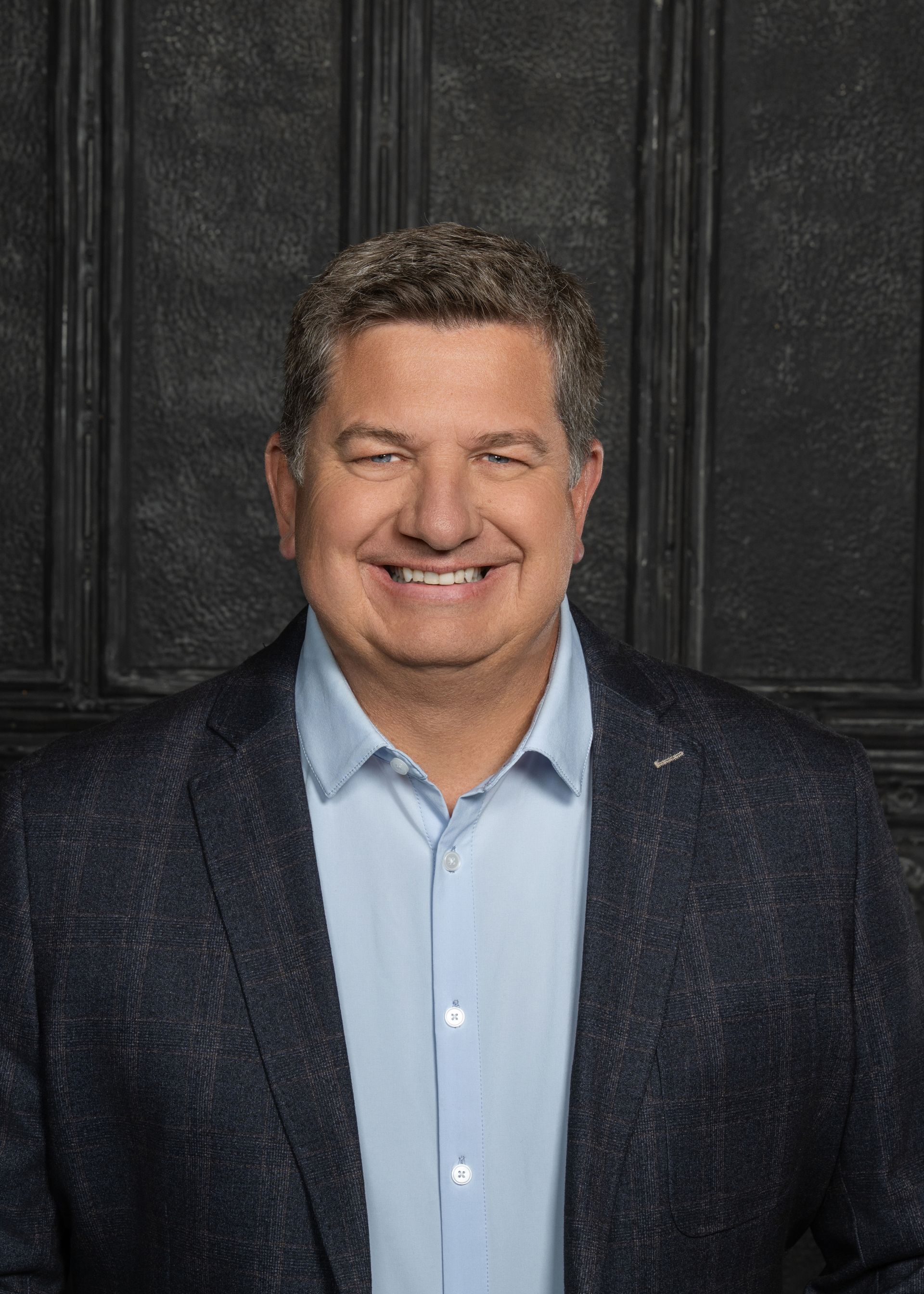
Charlie Brookins
Founder & Agent/Owner, Variant Insurance Group
I'm Charlie Brookins, founder and owner of Variant Insurance Group. I built this agency on one idea: local people and businesses deserve honest advice and coverage that fits their real life. As an independent agent in Maple Plain, I shop many of Minnesota's top-rated carriers to find the right protection for your home, auto, life, and business, and I stay with you through every claim and change. My goal is simple: give you straight answers and coverage you can trust.
One agent, many carriers
We represent many top-rated insurance companies. You get more coverage choices, better pricing, and one point of contact for every policy you own.
01
We shop as your life changes
04
New home, new vehicle, or a growing business? We re-shop your coverage across carriers so your protection keeps pace and your rate stays fair.

Personal Insurance
Coverage for your home, auto, and life
Protection for the people and things that matter most, shopped across Minnesota's top-rated carriers.
Auto Insurance
Coverage for your car, truck, or SUV. We compare carriers to protect you on the road at a fair price.
Home Insurance
Protection for your house, your belongings, and your liability. We match you with the right coverage for your home.
Life Insurance
Support for the people who depend on you. We help you compare term and whole life options that fit your budget.
Umbrella Insurance
Extra liability protection above your home and auto limits. A strong safety net for your family and your assets.
Renters Insurance
Coverage for your belongings and liability in a rented home or apartment. Affordable protection with quick setup.
Recreational Vehicle Insurance
Coverage for boats, motorcycles, ATVs, and campers. Enjoy the season with the right protection in place.
One agent, many carriers
We represent many top-rated insurance companies. You get more coverage choices, better pricing, and one point of contact for every policy you own.
01
We shop as your life changes
04
New home, new vehicle, or a growing business? We re-shop your coverage across carriers so your protection keeps pace and your rate stays fair.

Business Insurance
Coverage that protects what you have built
Liability, property, auto, and more, shopped across Minnesota's top-rated commercial carriers.
Workers Compensation
Coverage for employee injuries and lost wages. We help Minnesota employers meet state rules and protect their crew.
Commercial General Liability
Protection against third-party injury and property damage claims. Core coverage for most Minnesota businesses.
Commercial Property
Coverage for your building, equipment, and inventory. We protect the physical assets your business depends on.
Commercial Auto
Coverage for vehicles your business owns and drives. We match trucks, vans, and fleets with the right protection.
Commercial Umbrella
Extra liability limits above your other business policies. Added protection for larger claims and contracts.
Commercial Professional Liability
Coverage for your building, equipment, and inventory. We protect the physical assets your business depends on.

One agent, many carriers
We represent many top-rated insurance companies. You get more coverage choices, better pricing, and one point of contact for every policy you own.
01
We shop as your life changes
04
New home, new vehicle, or a growing business? We re-shop your coverage across carriers so your protection keeps pace and your rate stays fair.
Industries we serve
Coverage built for your industry

Contractor Insurance
Coverage for Minnesota contractors and the trades — general liability, tools and equipment, property, and workers comp. Protection for the job site and the crew.

Apartment Complex Insurance
Your income depends on the housing you provide, and wind, fire, or flood can interrupt it. Apartment Complex Insurance helps protect your property, your liability if a tenant or worker is injured, and your personal assets.

Brewery Insurance
You have pictured this brewery for years. Whether you just make great beer or serve food and merchandise too, Variant helps Minnesota breweries find the right coverage, from startups to major production facilities.


Our carrier bench
We shop these carriers so you don't have to


Plus specialty market access through Burns & Wilcox, CRC Group, Amwins, RPS and US Assure.
One agent, many carriers
We represent many top-rated insurance companies. You get more coverage choices, better pricing, and one point of contact for every policy you own.
01
We shop as your life changes
04
New home, new vehicle, or a growing business? We re-shop your coverage across carriers so your protection keeps pace and your rate stays fair.
Four steps, one real person from start to finish.
30 seconds — name, email, phone. Or just call. We’ll ask the right questions from there.
4
We stay in your corner
In their words
What our clients say
Frequently asked questions
Your insurance questions, answered
These are the questions Minnesota families and businesses ask us most. If you don't see yours here, call or message us — a real local agent is glad to help.
What does an independent insurance agency do?
An independent agency represents many insurance companies instead of just one. We shop your coverage across those carriers and compare protection and price for you.
That means more choices and one local team for every policy. You get honest guidance and a single point of contact you can trust.
How do you find me the best rate?
We start with your details and what you need to protect. Then we compare quotes from many top-rated carriers side by side.
We explain the coverage and the cost in plain terms, so the choice is clear. As your life changes, we re-shop your policies to keep your rate fair.
Can you handle both my personal and business insurance
Yes. We cover your home, auto, and life along with your workers comp, commercial property, and commercial auto.
One team manages it all, so you make one call for every policy. That saves you time and keeps your coverage consistent.
What should I do if I need to file a claim?
Call us or contact your carrier as soon as it is safe to do so. Gather photos, notes, and any details about what happened.
Our local team walks you through each step and follows up with the carrier. We stay in your corner until the claim is resolved.
Which areas do you serve?
Our office is in Maple Plain, Minnesota, and we serve families and businesses across the state. You can visit us, call, or email.
We know the local area and the coverage Minnesota requires. [CONFIRM: list any additional licensed states.]
How do I get started?
Request a quote online or call 763-333-2533. Share a few details and we take it from there.
We shop your coverage, compare your options, and explain what fits. There is no pressure and no obligation to buy.
One agent, many carriers
We represent many top-rated insurance companies. You get more coverage choices, better pricing, and one point of contact for every policy you own.
01
We shop as your life changes
04
New home, new vehicle, or a growing business? We re-shop your coverage across carriers so your protection keeps pace and your rate stays fair.

Named an Auto-Owners Sapphire Agency — a distinction reserved for a select group of the carrier's top-performing independent agencies.
From our blog
Insurance tips for Minnesota
Practical guides on coverage for your home, auto, and business.