
We compare Minnesota's top-rated insurance companies to find you strong coverage at a fair price. One local team handles your personal and business insurance.
Variant Insurance Group is a licensed independent insurance agency serving Minnesota families and businesses.
From our office in Maple Plain, our team works with many of Minnesota's top-rated carriers so your home, auto, life, and business coverage fits your real needs. We serve families and businesses across Minnesota.
04
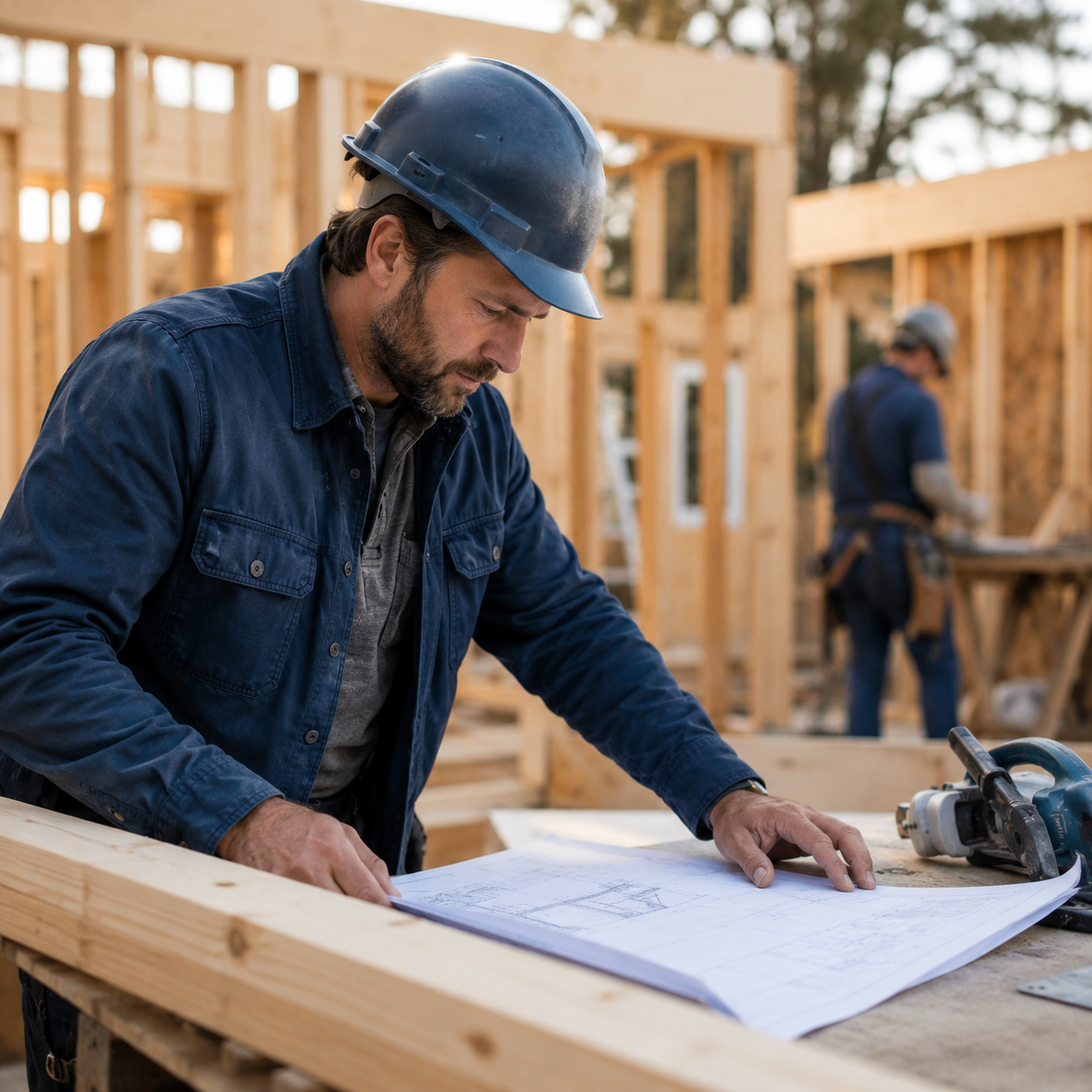
A roofing crew working three stories up faces risks that most general contractors never think about. Between workers compensation rates that can eat 30% or more of payroll, open-roof liability exposure during a sudden Minnesota thunderstorm, and the constant underwriting suspicion that follows storm-chasing operations, roofing insurance is its own animal. If you run a roofing business, your insurance program needs to account for height class codes, interior water damage claims, subcontractor compliance, and the long tail of completed operations coverage that can bite you years after a job wraps up.
Most roofing contractors we talk to at Variant Insurance Group are surprised by how many moving parts their coverage requires. A standard general liability policy and a basic workers comp plan won't cut it. The difference between a roofing contractor who survives a bad claim year and one who doesn't usually comes down to how well their coverage was structured from the start. This guide breaks down the specific cost drivers, coverage gaps, and underwriting red flags that define roofing contractor insurance in 2026 - from height classifications and water damage claims to subcontractor requirements and the completed operations tail that too many contractors ignore until it's too late.
Understanding Workers Compensation: Why Height Class Codes Matter
Workers compensation for roofers is among the most expensive in any trade, and the reason is straightforward: the work is dangerous. NCCI (National Council on Compensation Insurance) assigns class codes based on the type of work performed, and roofing sits near the top of the risk spectrum. Class Code 5551 covers roofing operations, and the rates reflect the frequency and severity of fall-related injuries. In Florida, for example, the 2026 base rate for Class Code 5551 is $6.75 per $100 of payroll, which means a crew with $500,000 in annual payroll could face over $33,000 in workers comp premiums before any experience modification factor is applied.
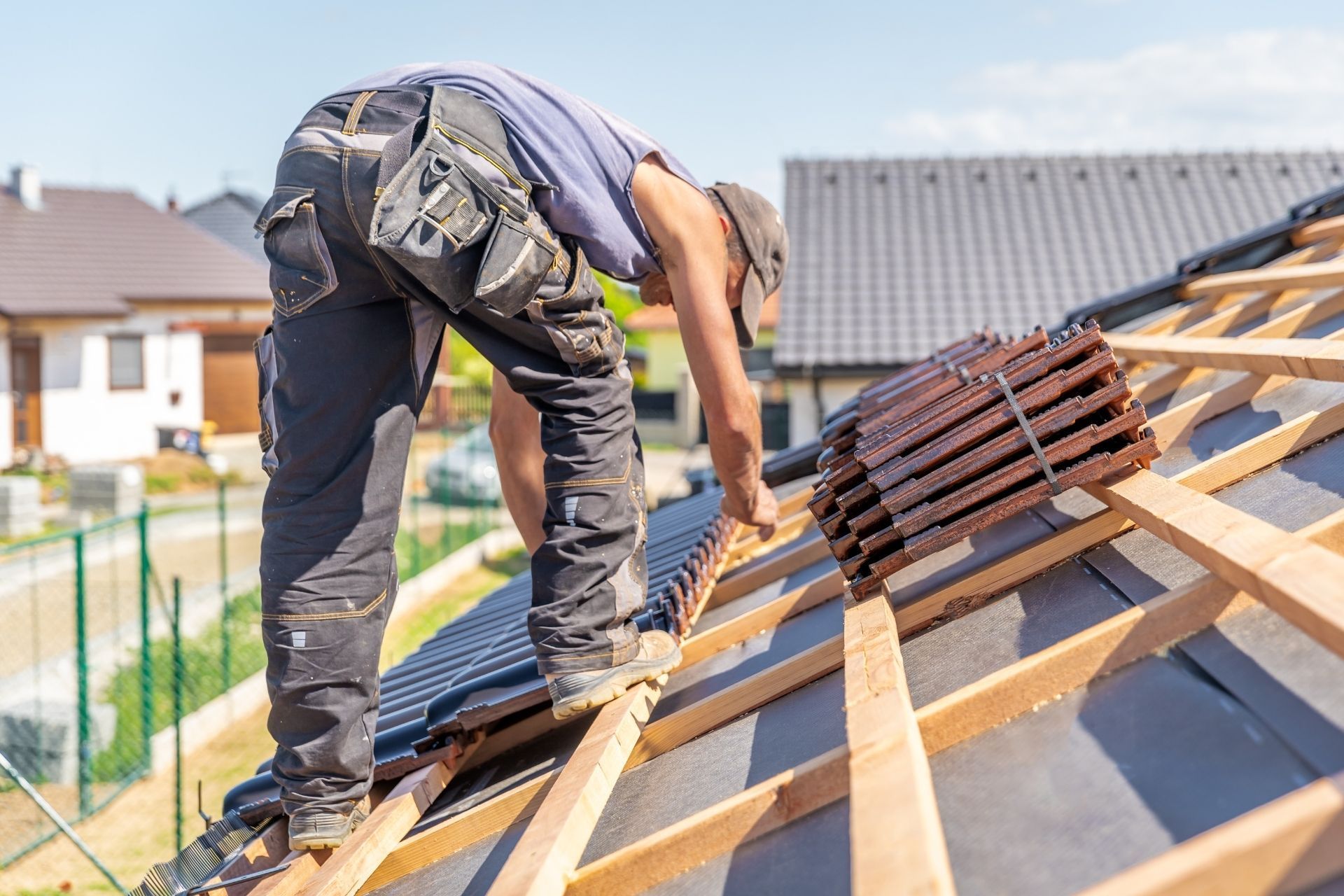
Height is the primary cost driver. Carriers differentiate between ground-level work, single-story residential, and multi-story commercial projects because the severity of injuries scales dramatically with elevation. A fall from a two-story home is bad. A fall from a five-story commercial building is often fatal.
The Difference Between Residential and Commercial Height Risks
Residential roofers typically work at heights under 25 feet, and their injury claims tend to involve broken bones, sprains, and soft tissue damage. Commercial roofers working on multi-story buildings face fall distances that regularly exceed 40 feet, where fatalities and permanent disabilities become far more common. This difference shows up directly in premium calculations.
Some states allow split classifications, meaning a contractor who does both residential and commercial work can assign payroll to different class codes based on the actual work performed. Others require all payroll to fall under the highest-risk code. Knowing your state's rules matters: in Minnesota, proper classification can save thousands annually.
How Misclassifying Workers Can Lead to Audit Penalties
Every workers comp policy gets audited at the end of the policy term. The carrier reviews your actual payroll records and compares them to the estimates you provided when the policy was written. If your auditor finds that employees classified as office staff were actually working on roofs, you'll owe the difference in premium retroactively, plus potential penalties.
OSHA violations compound this risk. Fall protection remains one of the most frequently cited OSHA violations, and penalties in 2026 can exceed $16,000 per serious violation. Willful violations carry penalties up to $165,514 per instance. A misclassification audit combined with an OSHA citation creates a paper trail that makes future coverage extremely difficult to obtain.

Open Roof Exposure and Interior Water Damage Claims
Standard General Liability vs. Specialized Roofing Endorsements
A basic general liability policy might cover third-party property damage, but it often excludes or limits coverage for damage to the property you're actively working on. Specialized roofing endorsements fill this gap. These endorsements can cover interior water damage caused by open-roof conditions, damage to existing structures during tear-off, and even temporary protection failures.
Independent adjusters handling roofing claims in 2026 are increasingly focused on documentation of weather mitigation efforts, meaning your claims outcome often depends on whether you can prove you took reasonable precautions. An agency like Variant Insurance Group that works with multiple carriers can help you find policies with broader endorsement options rather than settling for whatever a single carrier offers.
Mitigating Risk During Sudden Weather Shifts
The best insurance policy is one you never have to use. Practical risk mitigation for open-roof exposure includes monitoring weather radar before and during tear-off, keeping tarps and temporary waterproofing materials staged on-site, and never tearing off more roof area than your crew can cover in a single work session. Some contractors build weather delay clauses into their contracts, giving them contractual protection when they need to pause work.
Documenting your weather monitoring process with timestamped photos and radar screenshots creates a defense file that adjusters and attorneys take seriously. Carriers reward this kind of discipline with better pricing over time.
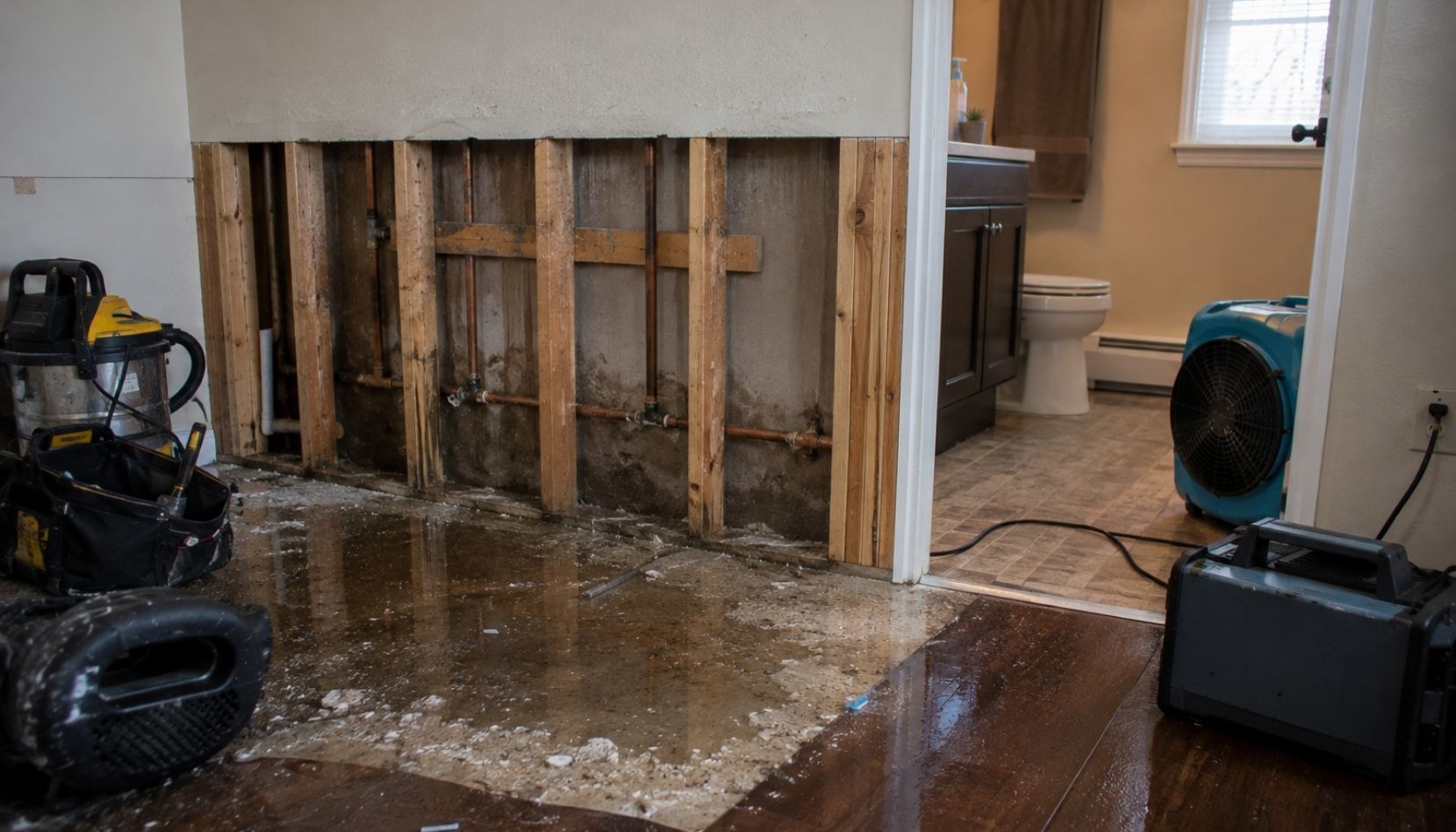
Here's a scenario every roofer dreads: your crew tears off an existing roof, and a storm rolls in before the new membrane or sheathing is down. Water pours into the building, damaging ceilings, drywall, flooring, electronics, and inventory. The property owner files a claim against you. This is open-roof exposure, and it generates some of the largest general liability claims in the roofing industry.
Standard CGL policies cover property damage caused by your operations, but the devil is in the details. Many policies contain exclusions for work-in-progress damage or cap coverage for interior water damage at levels far below actual loss amounts.

Storm-Chaser Scrutiny: What Underwriters Look For
After every major hail or wind event, roofing contractors flood into the affected area looking for work. Underwriters call these operations "storm chasers," and they treat them with heavy skepticism. The concern is legitimate: storm-chasing contractors often have no permanent presence in the area, carry minimal insurance, and generate a disproportionate share of complaints and claims.
If your business model involves traveling to storm-damaged areas, expect your underwriting process to be significantly more difficult. Carriers want to see stability, not opportunism.
Geographic Longevity and Permanent Business Locations
Underwriters look for a physical office address (not a P.O. box), a consistent service area, local phone numbers, and a history of operations in the same region. A roofing company that's been operating in the Twin Cities for 15 years with a permanent shop in Bloomington gets treated very differently than one that incorporated six months ago and is chasing hail damage across three states.
The roofing industry outlook for 2026 shows continued growth in storm restoration work, which means more competition and more underwriting scrutiny for newer entrants. Establishing roots matters.
The Impact of Catastrophic Loss History on Premium Rates
Your loss history follows you. A single large interior water damage claim or a workers comp fatality can push your experience modification rate above 1.0, which multiplies your base premium. Contractors with loss ratios above 60% often find themselves limited to surplus lines carriers that charge significantly higher rates.
On the flip side, a clean loss history over three to five years opens doors to preferred markets with lower rates and broader coverage. This is where working with an independent agency pays off: Variant Insurance Group can shop your account across multiple carriers to find the best fit for your specific loss history and operational profile.
Managing Subcontracted Labor and Liability Shifts
Most roofing companies use subcontractors for at least some of their work. This creates a liability chain that your insurance program needs to address explicitly. If a subcontractor's employee gets hurt on your job site and that sub doesn't carry adequate workers comp, the claim often rolls uphill to you.
Verification of Subcontractor Insurance Certificates
Before any subcontractor sets foot on your job site, you need a current certificate of insurance showing adequate workers comp limits, general liability coverage, and your company listed as an additional insured. Certificates expire, coverage lapses, and policies get cancelled mid-term. The verification process needs to be ongoing, not a one-time check at the start of a relationship.
Set up a system to track certificate expiration dates and require updated certificates before each new project. Many carriers now require this as a condition of coverage.
The 'Action Over' Exclusion and Your Policy Protections
The "action over" exclusion is one of the most misunderstood provisions in commercial general liability policies. Here's how it works: an injured subcontractor employee collects workers comp benefits from their employer, then sues you (the general contractor) for negligence. Your CGL policy might exclude this type of claim under the action over exclusion, leaving you exposed.
Some states, including New York, have labor laws that make action over claims extremely common. In Minnesota, the risk is lower but not zero. Make sure your policy either doesn't contain this exclusion or that you've purchased an endorsement to cover it.
Comparison: Basic General Liability vs. Comprehensive Roofing Coverage
| Coverage Feature | Basic GL Policy | Comprehensive Roofing Policy |
|---|---|---|
| Third-party bodily injury | Included | Included |
| Interior water damage (open roof) | Often excluded or sublimited | Covered with endorsement |
| Completed operations | Limited term | Extended tail available |
| Subcontractor default coverage | Not included | Available |
| Storm damage restoration work | May trigger exclusions | Specifically underwritten |
| Additional insured for GCs | Basic form | Broad form available |
| Tools and equipment | Not covered | Inland marine add-on |
The gap between these two columns is where most roofing contractors get burned. A basic policy looks affordable until a claim hits an exclusion.
Common Questions About Roofing Insurance
Why is my workers comp rate so much higher than other contractors? Roofing class codes carry some of the highest rates in the workers comp system because of fall risk. Your rate reflects both the industry baseline and your company's individual loss history through the experience modification factor.
Does my GL policy cover damage inside a building if rain gets in during a tear-off? It depends on your specific policy. Many standard GL policies exclude or sublimit this type of claim. You likely need a specialized roofing endorsement to get meaningful coverage for interior water damage.
What happens if my subcontractor doesn't have insurance? You become responsible. Their injured workers can file claims against your workers comp policy, and any property damage they cause may fall under your GL coverage. Always verify certificates before work begins.
How long does completed operations coverage last after a job is finished? Standard policies cover completed operations claims during the active policy period. If you cancel or don't renew, you lose that coverage. A completed operations tail extends protection for claims that arise after your policy ends, typically for one to five years.
Will being labeled a storm chaser affect my ability to get insurance? Yes. Underwriters scrutinize contractors who travel to disaster areas. Having a permanent business location, consistent service area, and clean loss history helps distinguish your operation from fly-by-night storm chasers.
Can I reduce my workers comp costs without cutting coverage? Absolutely. Implement a formal safety program, maintain clean OSHA records, and keep your experience mod below 1.0. These factors directly reduce your premium at renewal.
The Bottom Line for Your Roofing Business
Roofing insurance isn't something you can set up once and forget. Height class codes, open-roof exposure, subcontractor compliance, and completed operations tail coverage all require active management throughout the policy year. The contractors who pay the least over time are the ones who invest in safety programs, document everything, verify subcontractor certificates religiously, and work with an agency that understands roofing-specific risks.
If your current policy was written by someone who treats roofing the same as general contracting, you probably have gaps you don't know about. An independent agency like Variant Insurance Group can review your program across multiple carriers and identify where you're overexposed or overpaying. That kind of comparison shopping is exactly what the independent agency model was built for: finding the right combination of coverage, pricing, and carrier quality for your specific operation. Reach out for a policy review before your next renewal, not after your next claim.
On this page
Variant Insurance Group is a licensed independent insurance agency serving Minnesota families and businesses.
From our office in Maple Plain, our team works with many of Minnesota's top-rated carriers so your home, auto, life, and business coverage fits your real needs. We serve families and businesses across Minnesota.

About the Author
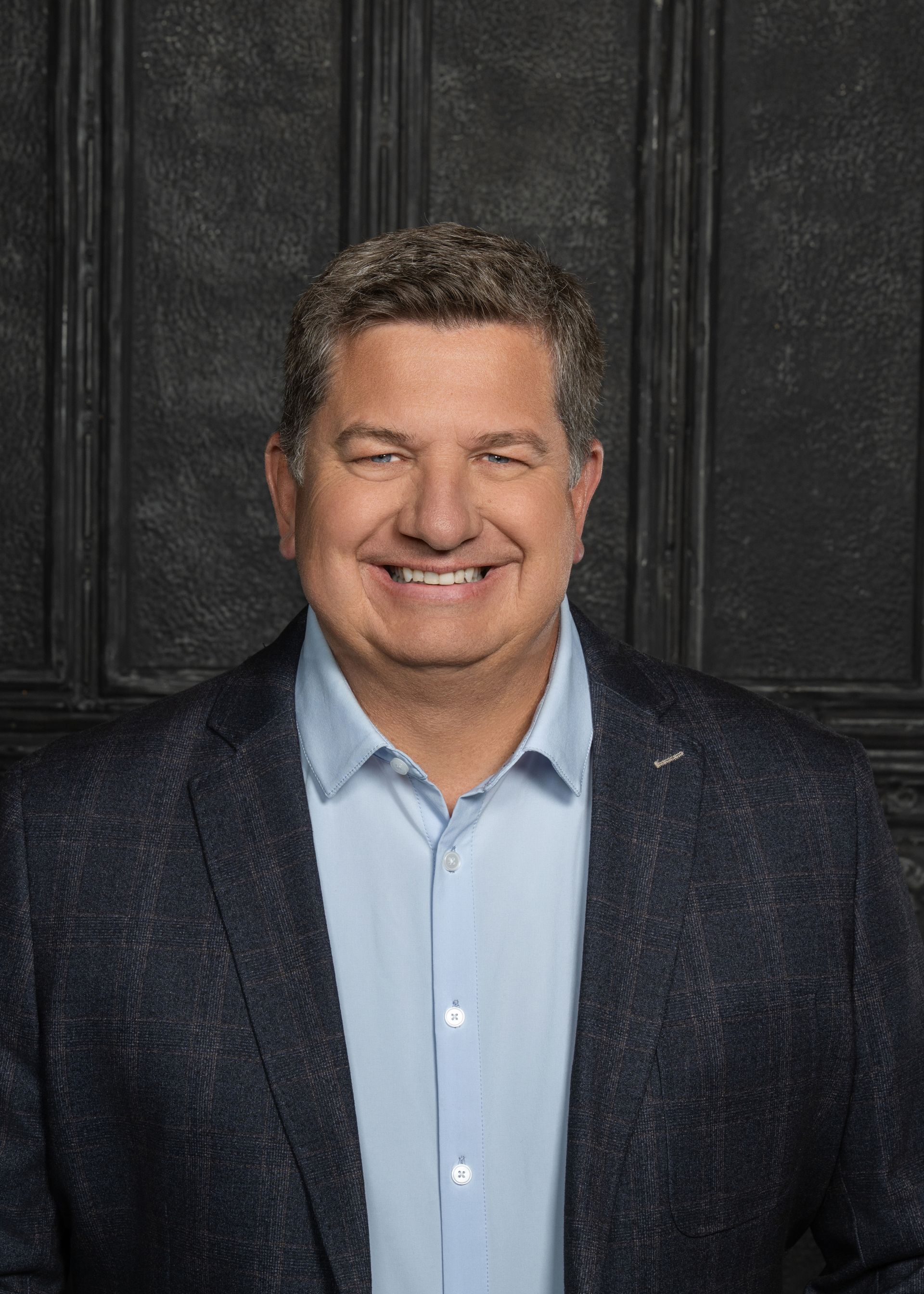
Charlie Brookins
Founder & Agent/Owner, Variant Insurance Group
I'm Charlie Brookins, founder and owner of Variant Insurance Group. I built this agency on one idea: local people and businesses deserve honest advice and coverage that fits their real life. As an independent agent in Maple Plain, I shop many of Minnesota's top-rated carriers to find the right protection for your home, auto, life, and business, and I stay with you through every claim and change. My goal is simple: give you straight answers and coverage you can trust.
One agent, many carriers
We represent many top-rated insurance companies. You get more coverage choices, better pricing, and one point of contact for every policy you own.
01
We shop as your life changes
04
New home, new vehicle, or a growing business? We re-shop your coverage across carriers so your protection keeps pace and your rate stays fair.

Personal Insurance
Coverage for your home, auto, and life
Protection for the people and things that matter most, shopped across Minnesota's top-rated carriers.
Auto Insurance
Coverage for your car, truck, or SUV. We compare carriers to protect you on the road at a fair price.
Home Insurance
Protection for your house, your belongings, and your liability. We match you with the right coverage for your home.
Life Insurance
Support for the people who depend on you. We help you compare term and whole life options that fit your budget.
Umbrella Insurance
Extra liability protection above your home and auto limits. A strong safety net for your family and your assets.
Renters Insurance
Coverage for your belongings and liability in a rented home or apartment. Affordable protection with quick setup.
Recreational Vehicle Insurance
Coverage for boats, motorcycles, ATVs, and campers. Enjoy the season with the right protection in place.
One agent, many carriers
We represent many top-rated insurance companies. You get more coverage choices, better pricing, and one point of contact for every policy you own.
01
We shop as your life changes
04
New home, new vehicle, or a growing business? We re-shop your coverage across carriers so your protection keeps pace and your rate stays fair.

Business Insurance
Coverage that protects what you have built
Liability, property, auto, and more, shopped across Minnesota's top-rated commercial carriers.
Workers Compensation
Coverage for employee injuries and lost wages. We help Minnesota employers meet state rules and protect their crew.
Commercial General Liability
Protection against third-party injury and property damage claims. Core coverage for most Minnesota businesses.
Commercial Property
Coverage for your building, equipment, and inventory. We protect the physical assets your business depends on.
Commercial Auto
Coverage for vehicles your business owns and drives. We match trucks, vans, and fleets with the right protection.
Commercial Umbrella
Extra liability limits above your other business policies. Added protection for larger claims and contracts.
Commercial Professional Liability
Coverage for your building, equipment, and inventory. We protect the physical assets your business depends on.
One agent, many carriers
We represent many top-rated insurance companies. You get more coverage choices, better pricing, and one point of contact for every policy you own.
01
We shop as your life changes
04
New home, new vehicle, or a growing business? We re-shop your coverage across carriers so your protection keeps pace and your rate stays fair.
Industries we serve
Coverage built for your industry

Contractor Insurance
Coverage for Minnesota contractors and the trades — general liability, tools and equipment, property, and workers comp. Protection for the job site and the crew.

Apartment Complex Insurance
Your income depends on the housing you provide, and wind, fire, or flood can interrupt it. Apartment Complex Insurance helps protect your property, your liability if a tenant or worker is injured, and your personal assets.

Brewery Insurance
You have pictured this brewery for years. Whether you just make great beer or serve food and merchandise too, Variant helps Minnesota breweries find the right coverage, from startups to major production facilities.


Our carrier bench
We shop these carriers so you don't have to


Plus specialty market access through Burns & Wilcox, CRC Group, Amwins, RPS and US Assure.
One agent, many carriers
We represent many top-rated insurance companies. You get more coverage choices, better pricing, and one point of contact for every policy you own.
01
We shop as your life changes
04
New home, new vehicle, or a growing business? We re-shop your coverage across carriers so your protection keeps pace and your rate stays fair.
Four steps, one real person from start to finish.
30 seconds — name, email, phone. Or just call. We’ll ask the right questions from there.
4
We stay in your corner
In their words
What our clients say
Frequently asked questions
Your insurance questions, answered
These are the questions Minnesota families and businesses ask us most. If you don't see yours here, call or message us — a real local agent is glad to help.
What does an independent insurance agency do?
An independent agency represents many insurance companies instead of just one. We shop your coverage across those carriers and compare protection and price for you.
That means more choices and one local team for every policy. You get honest guidance and a single point of contact you can trust.
How do you find me the best rate?
We start with your details and what you need to protect. Then we compare quotes from many top-rated carriers side by side.
We explain the coverage and the cost in plain terms, so the choice is clear. As your life changes, we re-shop your policies to keep your rate fair.
Can you handle both my personal and business insurance
Yes. We cover your home, auto, and life along with your workers comp, commercial property, and commercial auto.
One team manages it all, so you make one call for every policy. That saves you time and keeps your coverage consistent.
What should I do if I need to file a claim?
Call us or contact your carrier as soon as it is safe to do so. Gather photos, notes, and any details about what happened.
Our local team walks you through each step and follows up with the carrier. We stay in your corner until the claim is resolved.
Which areas do you serve?
Our office is in Maple Plain, Minnesota, and we serve families and businesses across the state. You can visit us, call, or email.
We know the local area and the coverage Minnesota requires. [CONFIRM: list any additional licensed states.]
How do I get started?
Request a quote online or call 763-333-2533. Share a few details and we take it from there.
We shop your coverage, compare your options, and explain what fits. There is no pressure and no obligation to buy.
One agent, many carriers
We represent many top-rated insurance companies. You get more coverage choices, better pricing, and one point of contact for every policy you own.
01
We shop as your life changes
04
New home, new vehicle, or a growing business? We re-shop your coverage across carriers so your protection keeps pace and your rate stays fair.

Named an Auto-Owners Sapphire Agency — a distinction reserved for a select group of the carrier's top-performing independent agencies.
From our blog
Insurance tips for Minnesota
Practical guides on coverage for your home, auto, and business.