


We compare Minnesota's top-rated insurance companies to find you strong coverage at a fair price. One local team handles your personal and business insurance.

Rental Property Insurance


Variant Insurance Group is a licensed independent insurance agency serving Minnesota families and businesses.

From our office in Maple Plain, our team works with many of Minnesota's top-rated carriers so your home, auto, life, and business coverage fits your real needs. We serve families and businesses across Minnesota.

04

Before You Buy a Policy

A landlord who files a claim on a standard homeowners policy for a rental property gets a rude awakening: the claim is denied, and they're out thousands of dollars. It happens more often than you'd think. The moment you stop occupying a home and hand the keys to a tenant, your insurance needs change dramatically. Rental property insurance works differently from a homeowners policy in ways that affect your income, your liability exposure, and even whether you're covered at all during gaps between tenants. Understanding how dwelling fire forms compare to homeowners coverage, how loss of rents protection works, and what happens when a property sits vacant between leases can save you from expensive mistakes. This guide breaks down each of those differences so you can protect your investment with the right policy structure, whether you own one rental or ten.

Understanding Rental Property Insurance vs. Homeowners Policies

Most landlords started as homeowners, so it's natural to assume the same type of policy covers both situations. That assumption is wrong, and it can cost you dearly. The insurance industry treats owner-occupied homes and tenant-occupied rentals as fundamentally different risk categories, and the policies reflect that distinction in their structure, pricing, and exclusions.


Rental properties face risks that owner-occupied homes don't: tenants who may not maintain the property, higher liability exposure from people you don't live with, and income loss when damage makes the unit uninhabitable. The policy forms designed for these risks are called dwelling fire policies, and they exist specifically because a homeowners policy was never built to handle them.

Why Your Standard Homeowners Policy Won't Cover a Rental

Here's the core problem: your HO-3 homeowners policy contains an occupancy requirement. It covers your primary residence, the place where you live. The second you move out and lease the property to someone else, you've violated that condition. Some insurers will allow a brief rental period with an endorsement, but most will not cover a property that's permanently tenant-occupied under an HO-3.


If a fire destroys a rental property insured under a homeowners policy, the carrier can deny the entire claim based on material misrepresentation. You told them it was owner-occupied. It wasn't. That's not a gray area. Landlords who manage insurance across multiple properties need dedicated landlord policies from day one, not retrofitted homeowners coverage.

Dwelling Fire Forms: DP-1, DP-2, and DP-3 Explained

Dwelling fire policies come in three tiers, and the differences between them are significant:


  • DP-1 (Basic Form): Covers only named perils like fire, lightning, and internal explosion. Claims are paid on an actual cash value basis, meaning depreciation is subtracted. This is the cheapest and most limited option.
  • DP-2 (Broad Form): Expands the named perils list to include things like falling objects, weight of ice and snow, and accidental water discharge. Still a named-perils policy, but with a broader list.
  • DP-3 (Special Form): Covers all perils except those specifically excluded. This is the closest thing to an HO-3 for rental properties and typically pays on a replacement cost basis for the dwelling itself.


The key distinction between DP-1, DP-2, and DP-3 comes down to burden of proof. With DP-1 and DP-2, you must prove your loss was caused by a listed peril. With DP-3, the insurer must prove an exclusion applies. That's a meaningful advantage when you're filing a claim.

Comparison Chart: Homeowners (HO-3) vs. Landlord (DP-3) Coverage

Feature HO-3 (Homeowners) DP-3 (Landlord)
Occupancy Owner-occupied only Tenant-occupied
Dwelling coverage Open perils, replacement cost Open perils, replacement cost
Personal property Covered (your belongings) Not covered (tenant's belongings)
Loss of use Additional living expenses Fair rental value / loss of rents
Liability Personal liability Premises liability
Contents of landlord Included Optional endorsement
Typical annual cost (3-bed) $1,800 - $2,500 $800 - $1,500+

The cost difference reflects the fact that DP-3 policies don't cover personal property by default. As of mid-2026, the national average cost for landlord insurance on a standard 3-bedroom rental property starts around $800 annually, though Minnesota properties often run higher due to weather-related risk factors.

Protecting Your Cash Flow with Loss of Rents Coverage

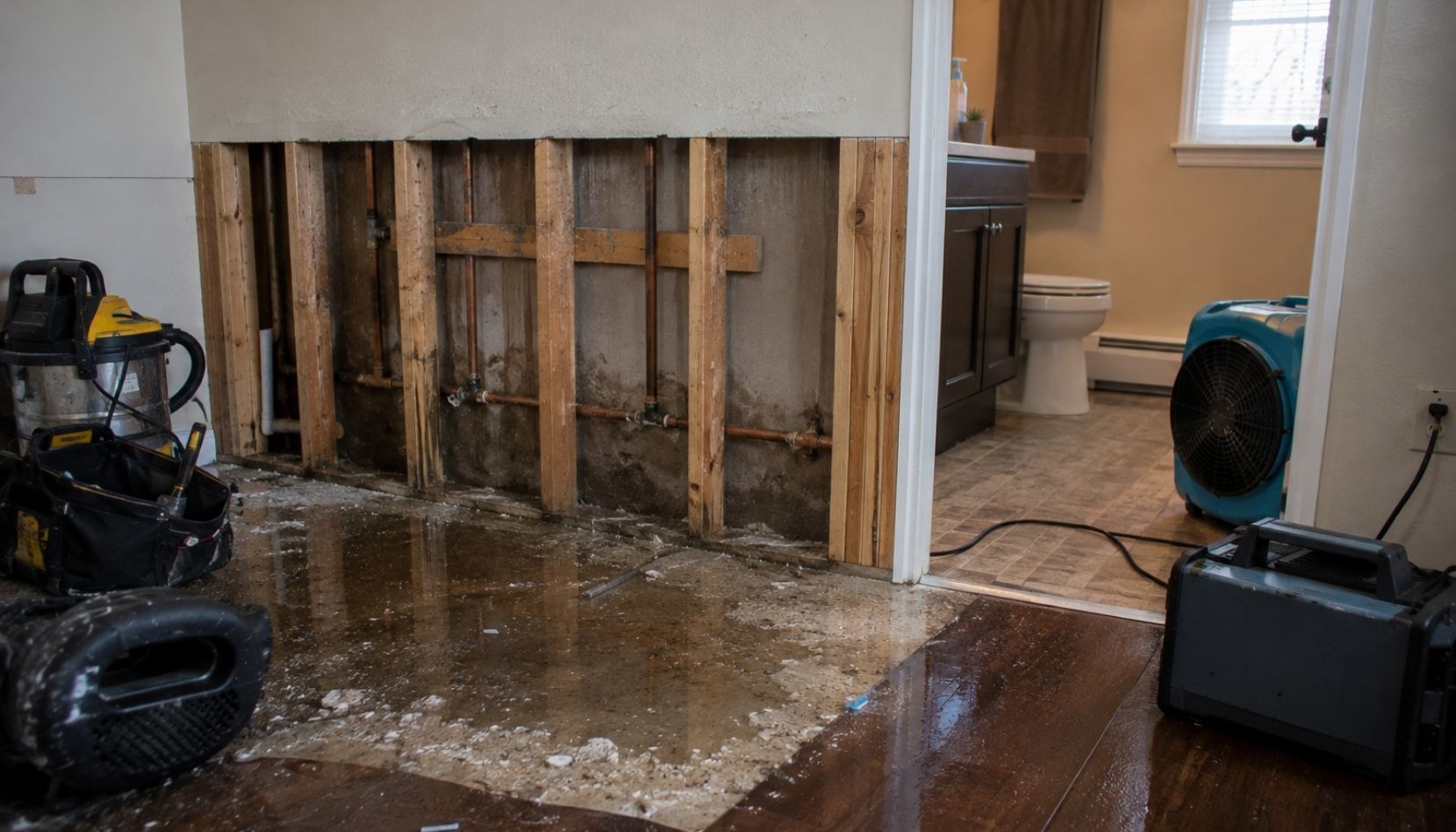
A burst pipe or kitchen fire doesn't just damage the building: it stops your rental income cold. If your tenant has to move out while repairs take three months, that's three months of rent you're not collecting, plus you're still paying the mortgage. Loss of rents coverage (sometimes called fair rental value coverage) fills that gap, and it's one of the most valuable components of a landlord policy.


Most DP-3 policies include some form of loss of rents coverage, but the details vary. The payout is typically based on the fair rental value of the property, not necessarily what you were actually charging. If your rent is below market rate, you might receive more than your actual loss. If you were charging above market, you might receive less.

How Fair Rental Value Replaces Lost Income During Repairs

Fair rental value is determined by comparable rentals in your area. If similar 3-bedroom homes in your neighborhood rent for $1,800 per month and your property is uninhabitable for four months after a covered loss, you'd receive approximately $7,200. The insurer typically calculates this based on local market data rather than your lease terms.


One detail landlords often miss: loss of rents coverage only kicks in for covered perils. If your property becomes uninhabitable due to something excluded from your policy, like a flood without separate flood insurance, you won't see a dime of rental income replacement. This is why matching your peril coverage to your actual risk exposure matters so much.

Time-Limit vs. Dollar-Limit Payouts

Loss of rents provisions generally work in one of two ways:


  • Time-limited: The policy pays fair rental value for a set period, often 12 months, regardless of the total dollar amount. If repairs take longer, you're on your own after the limit expires.
  • Dollar-limited: The policy pays up to a specific dollar amount, often expressed as a percentage of your dwelling coverage (commonly 10-20%). Once that cap is hit, payments stop even if repairs aren't complete.


Knowing which structure your policy uses is critical. A major fire on a Minnesota property during January could easily push repairs past six months due to weather delays and contractor availability. If your policy caps loss of rents at $10,000 and your monthly rent is $1,600, you'll exhaust that limit in about six months, even if the rebuild takes nine.

Premises Liability and Tenant Damage Risks

Owning rental property means accepting that people you don't control will live on, walk through, and sometimes injure themselves on your property. The liability exposure for landlords is real and can dwarf the cost of property damage claims.

Premises Liability: Defending Against Personal Injury Lawsuits

Premises liability covers you when someone is injured on your rental property due to a condition you're responsible for. A tenant slips on an icy walkway you failed to salt. A guest falls through a rotted porch railing. A child is injured by an unfenced pool. These scenarios generate lawsuits, and rising insurance costs reflect the increasing frequency of such claims.


Your DP-3 policy's liability section covers legal defense costs and any settlement or judgment, up to your policy limit. Most landlord policies start with $100,000 in premises liability, but carrying $300,000 or $500,000 is common. An umbrella policy layered on top provides additional protection for landlords with multiple properties. At Variant Insurance Group, we often see Minnesota landlords underinsured on liability: they focus on the building value and forget that a single slip-and-fall lawsuit can exceed $200,000.

Accidental vs. Intentional Tenant Damage

Tenant damage is one of the most frustrating parts of being a landlord, and insurance handles it inconsistently. Accidental damage, like a tenant accidentally starting a grease fire or overflowing a bathtub, is generally covered under your dwelling fire policy because fire and water discharge are covered perils.


Intentional damage is a different story. If a tenant punches holes in walls, rips out fixtures, or trashes the place out of spite, your insurance policy almost certainly excludes it. Intentional acts by any party are a standard exclusion. Your recourse for intentional damage is the security deposit, small claims court, or civil litigation, not your insurance carrier.

The Role of Renter's Insurance in Protecting the Landlord

Requiring tenants to carry renter's insurance is one of the smartest moves a landlord can make. A renter's policy covers the tenant's personal property (which your policy doesn't), and it includes personal liability coverage for the tenant. If your tenant accidentally causes a fire, their renter's policy liability coverage can reimburse your insurer, keeping your loss history clean.


Many landlords in Minnesota now require proof of renter's insurance as a lease condition. It costs tenants roughly $15-25 per month, and it creates a buffer that protects both parties. Some carriers even offer landlord-specific programs that coordinate with tenant policies for smoother claims handling.

Managing Coverage During Vacancy Between Leases

Every rental property sits empty sometimes. Between tenants, during renovations, or while you're marketing the unit, the property is vacant. That vacancy creates a coverage gap most landlords don't know about until they file a claim and get denied.

The 30-to-60 Day Vacancy Clause Pitfall

Nearly every dwelling fire policy contains a vacancy clause. After a property has been vacant for 30 to 60 consecutive days (the exact threshold depends on your carrier), certain coverages are reduced or eliminated entirely. Vandalism and malicious mischief are typically the first to go. Some policies reduce all claim payouts by 15% during vacancy periods.


This catches landlords off guard during extended turnovers. If you're renovating a unit between tenants and the work takes 90 days, a vandalism claim during that period would likely be denied. Higher premiums and tighter policy conditions in 2026 have made vacancy clauses even more restrictive with some carriers.

Adding a Vacancy Permit for Long-Term Turnovers

A vacancy permit is an endorsement you add to your policy that extends coverage during planned vacancy periods. It's not free: expect to pay an additional premium, typically 25-50% more than your standard rate for the vacancy period. But it's far cheaper than absorbing an uninsured loss.


If you know a property will sit empty for more than 30 days, call your agent before the vacancy starts. At Variant Insurance Group, we can shop vacancy permits across multiple carriers to find the best terms, since pricing and conditions vary significantly. Some carriers offer permits for up to 12 months, while others cap them at 90 days.

Common Questions About Landlord Insurance

Does my landlord policy cover my tenant's belongings? No. Your dwelling fire policy covers the building and your liability. Tenant belongings are only covered under the tenant's own renter's insurance policy.


Can I insure a rental property under my homeowners policy with an endorsement? Some carriers allow a landlord endorsement on an HO-3 for occasional or short-term rentals, but a permanently tenant-occupied property needs a standalone DP policy. Don't gamble on an endorsement for a full-time rental.


How much premises liability coverage should I carry? At minimum $300,000, though $500,000 is better for most landlords. If you own multiple properties, an umbrella policy starting at $1 million is worth the relatively modest premium.


Is flood damage covered under a DP-3 policy? No. Flood is excluded from all standard dwelling fire policies. You need a separate flood policy through the NFIP or a private flood insurer. Minnesota properties near rivers, lakes, or low-lying areas should carry flood coverage regardless of FEMA zone designation.


What happens if my tenant causes a fire? Accidental fires caused by tenants are covered under your dwelling fire policy. Your insurer may then subrogate against the tenant's renter's policy to recover costs, which is another reason to require renter's insurance in your lease.


Do I need landlord insurance if I only rent to family? Yes. The occupancy issue isn't about who lives there: it's about whether you live there. Even renting to a sibling at below-market rates changes your insurance requirements.

Making the Right Choice for Your Investment

Getting rental property insurance right comes down to three things: matching your policy form to your actual risk, carrying enough liability coverage to protect your assets, and staying aware of vacancy clauses that can silently void your protection. A DP-3 policy with adequate loss of rents coverage and $300,000+ in premises liability is the baseline for most Minnesota landlords.


The difference between a well-structured landlord policy and an inadequate one often shows up only at claim time, which is exactly when it's too late to fix. Working with an independent agency like Variant Insurance Group means you get options from multiple carriers, not just one company's take-it-or-leave-it quote. That flexibility matters when you need a vacancy permit from one carrier, better liability terms from another, and competitive pricing across the board.


Review your policies annually, require renter's insurance from every tenant, and never assume your homeowners coverage extends to a property someone else calls home.

By: Charlie Brookins

Agent/Owner, Variant Insurance Group

Variant Insurance Group is a licensed independent insurance agency serving Minnesota families and businesses.

From our office in Maple Plain, our team works with many of Minnesota's top-rated carriers so your home, auto, life, and business coverage fits your real needs. We serve families and businesses across Minnesota.

About the Author

Charlie Brookins

Founder & Agent/Owner, Variant Insurance Group

I'm Charlie Brookins, founder and owner of Variant Insurance Group. I built this agency on one idea: local people and businesses deserve honest advice and coverage that fits their real life. As an independent agent in Maple Plain, I shop many of Minnesota's top-rated carriers to find the right protection for your home, auto, life, and business, and I stay with you through every claim and change. My goal is simple: give you straight answers and coverage you can trust.

One agent, many carriers

We represent many top-rated insurance companies. You get more coverage choices, better pricing, and one point of contact for every policy you own.

01

We shop as your life changes

04

New home, new vehicle, or a growing business? We re-shop your coverage across carriers so your protection keeps pace and your rate stays fair.

Personal Insurance

Coverage for your home, auto, and life

Protection for the people and things that matter most, shopped across Minnesota's top-rated carriers.

Auto Insurance

Coverage for your car, truck, or SUV. We compare carriers to protect you on the road at a fair price.

Home Insurance

Protection for your house, your belongings, and your liability. We match you with the right coverage for your home.

Life Insurance

Support for the people who depend on you. We help you compare term and whole life options that fit your budget.

Umbrella Insurance

Extra liability protection above your home and auto limits. A strong safety net for your family and your assets.

Renters Insurance

Coverage for your belongings and liability in a rented home or apartment. Affordable protection with quick setup.

Recreational Vehicle Insurance

Coverage for boats, motorcycles, ATVs, and campers. Enjoy the season with the right protection in place.

One agent, many carriers

We represent many top-rated insurance companies. You get more coverage choices, better pricing, and one point of contact for every policy you own.

01

We shop as your life changes

04

New home, new vehicle, or a growing business? We re-shop your coverage across carriers so your protection keeps pace and your rate stays fair.

Business Insurance

Coverage that protects what you have built

Liability, property, auto, and more, shopped across Minnesota's top-rated commercial carriers.

One agent, many carriers

We represent many top-rated insurance companies. You get more coverage choices, better pricing, and one point of contact for every policy you own.

01

We shop as your life changes

04

New home, new vehicle, or a growing business? We re-shop your coverage across carriers so your protection keeps pace and your rate stays fair.

Industries we serve

Coverage built for your industry

Contractor Insurance

Coverage for Minnesota contractors and the trades — general liability, tools and equipment, property, and workers comp. Protection for the job site and the crew.

Apartment Complex Insurance

Your income depends on the housing you provide, and wind, fire, or flood can interrupt it. Apartment Complex Insurance helps protect your property, your liability if a tenant or worker is injured, and your personal assets.

Brewery Insurance

You have pictured this brewery for years. Whether you just make great beer or serve food and merchandise too, Variant helps Minnesota breweries find the right coverage, from startups to major production facilities.

Our carrier bench

We shop these carriers so you don't have to

Plus specialty market access through Burns & Wilcox, CRC Group, Amwins, RPS and US Assure.

One agent, many carriers

We represent many top-rated insurance companies. You get more coverage choices, better pricing, and one point of contact for every policy you own.

01

We shop as your life changes

04

New home, new vehicle, or a growing business? We re-shop your coverage across carriers so your protection keeps pace and your rate stays fair.

Four steps, one real person from start to finish.

30 seconds — name, email, phone. Or just call. We’ll ask the right questions from there.

4

We stay in your corner

See all the industries we cover →

In their words

What our clients say

Frequently asked questions

Your insurance questions, answered

These are the questions Minnesota families and businesses ask us most. If you don't see yours here, call or message us — a real local agent is glad to help.

  • What does an independent insurance agency do?

    An independent agency represents many insurance companies instead of just one. We shop your coverage across those carriers and compare protection and price for you.


    That means more choices and one local team for every policy. You get honest guidance and a single point of contact you can trust.

  • How do you find me the best rate?

    We start with your details and what you need to protect. Then we compare quotes from many top-rated carriers side by side.


    We explain the coverage and the cost in plain terms, so the choice is clear. As your life changes, we re-shop your policies to keep your rate fair.

  • Can you handle both my personal and business insurance

    Yes. We cover your home, auto, and life along with your workers comp, commercial property, and commercial auto.


    One team manages it all, so you make one call for every policy. That saves you time and keeps your coverage consistent.

  • What should I do if I need to file a claim?

    Call us or contact your carrier as soon as it is safe to do so. Gather photos, notes, and any details about what happened.


    Our local team walks you through each step and follows up with the carrier. We stay in your corner until the claim is resolved.

  • Which areas do you serve?

    Our office is in Maple Plain, Minnesota, and we serve families and businesses across the state. You can visit us, call, or email.


    We know the local area and the coverage Minnesota requires. [CONFIRM: list any additional licensed states.]

  • How do I get started?

    Request a quote online or call 763-333-2533. Share a few details and we take it from there.


    We shop your coverage, compare your options, and explain what fits. There is no pressure and no obligation to buy.

One agent, many carriers

We represent many top-rated insurance companies. You get more coverage choices, better pricing, and one point of contact for every policy you own.

01

We shop as your life changes

04

New home, new vehicle, or a growing business? We re-shop your coverage across carriers so your protection keeps pace and your rate stays fair.

See all the industries we cover →

Named an Auto-Owners Sapphire Agency — a distinction reserved for a select group of the carrier's top-performing independent agencies.

From our blog

Insurance tips for Minnesota

Practical guides on coverage for your home, auto, and business.

28 August 2026
Learn what an HOA master policy covers, bare walls vs. all-in coverage, where HO-6 insurance applies, and how loss assessments affect owners.
28 August 2026
Learn what a Business Owners Policy covers, including property, liability, business income, eligibility rules, and common coverage gaps.
28 August 2026
Learn who pays when pipes freeze in a rental, how landlord and renters insurance split losses, and when heat maintenance clauses can affect coverage.

763-333-2533

Let's get started

Ready for clearly different insurance?

Get a free quote and see how much a local, independent agency can do for you. No pressure, no obligation.

763-333-2533

info@variantinsurance.com

5159 Main Street East #200, Maple Plain, MN 55359

 Monday–Friday, 8:30am–5:00pm