

We compare Minnesota's top-rated insurance companies to find you strong coverage at a fair price. One local team handles your personal and business insurance.
Variant Insurance Group is a licensed independent insurance agency serving Minnesota families and businesses.
From our office in Maple Plain, our team works with many of Minnesota's top-rated carriers so your home, auto, life, and business coverage fits your real needs. We serve families and businesses across Minnesota.
04
Before You Buy a Policy
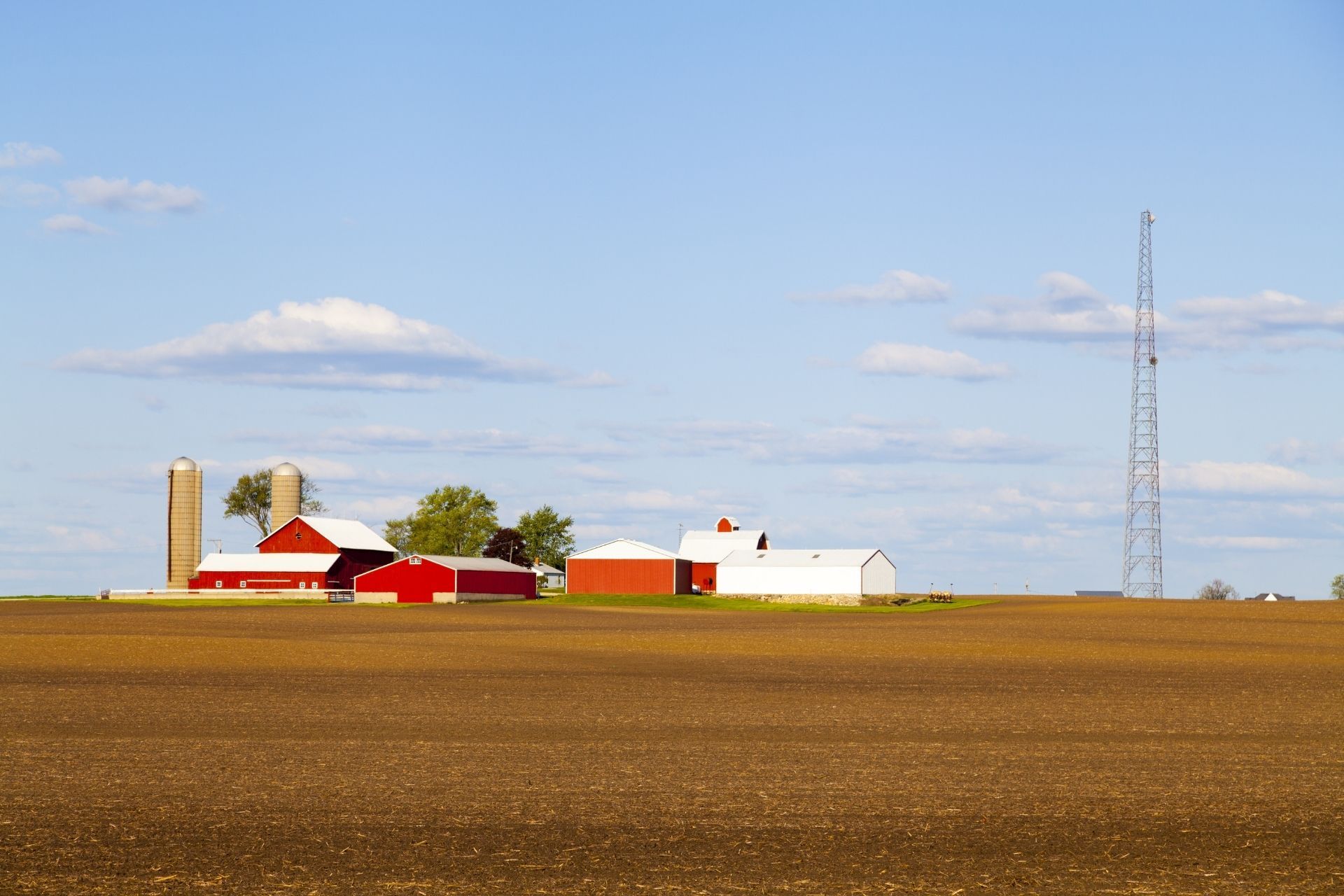
A single lightning strike can destroy a grain bin worth $200,000 and kill a dozen head of cattle in one terrible evening. A visitor who slips on an icy walkway between your barn and your house can file a lawsuit that threatens everything you've built over decades. Farming in Minnesota means managing risks that most homeowners and most business owners never face simultaneously, and a standard homeowners policy simply wasn't designed for that reality.
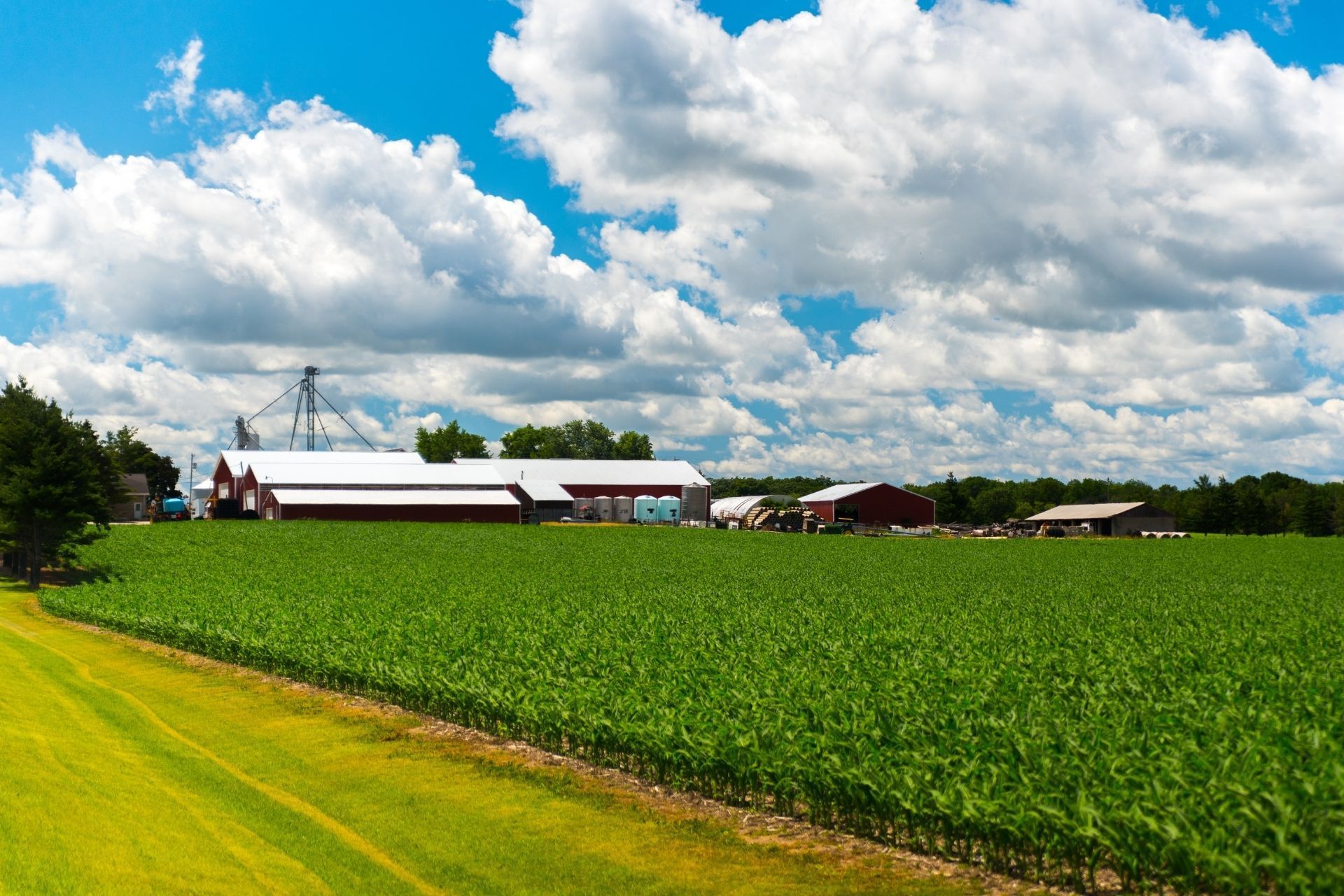
That's why the farm owners policy exists. It bundles dwelling coverage, outbuilding and grain storage protection, machinery insurance, livestock coverage, stored crop protection, and farm premises liability into a single package built specifically for working agricultural operations. Understanding how each piece fits together, and where the gaps tend to hide, is the difference between recovering from a disaster and losing the farm. Whether you run 200 acres of corn and soybeans or a diversified operation with cattle, hay, and agritourism, the structure of your farm insurance determines how well you're protected when something goes wrong.
Understanding the Farm Owners Policy Framework
A farm owners policy is a hybrid. It recognizes that a farm is both a home and a business, and it wraps coverage for both into a single contract. Most standard homeowners policies explicitly exclude business activities, and most commercial policies don't cover the house you live in. The farm owners policy bridges that gap.
Think of it as three pillars: property coverage for the dwelling and personal belongings, property coverage for farm structures and business personal property (equipment, livestock, stored crops), and liability coverage for incidents that happen on your premises. Each pillar can be customized with different coverage forms, limits, and endorsements.
Combining Homeowners and Commercial Coverage
The real advantage here is efficiency. Instead of juggling a homeowners policy, a separate commercial property policy, and a general liability policy, you get one document with one renewal date and one agent who understands the whole picture. That's where working with an independent agency like Variant Insurance Group pays off: they can compare how different carriers structure these bundled policies and find the combination that actually fits your operation, rather than forcing you into a one-size-fits-all product from a single company.
Your farm owners policy will typically include Coverage A (dwelling), Coverage B (other structures), Coverage C (personal property), Coverage D (loss of use), Coverage E (farm personal property), and Coverage F (liability). The specifics vary by carrier, but that framework is fairly consistent across the industry.
The Difference Between Blanket and Scheduled Coverage
Scheduled coverage lists each item or structure individually with its own coverage limit. Your 60x120 machine shed gets its own line, your grain dryer gets its own line, and each has a specific dollar amount attached. Blanket coverage, by contrast, groups items together under a single aggregate limit.
Scheduled coverage gives you precision but requires more frequent updates. Blanket coverage offers flexibility: if one building is underinsured but another is over, the aggregate limit can absorb the difference. Most farm policies use a mix of both. Your dwelling is almost always scheduled, while smaller outbuildings or groups of similar equipment might be blanketed together..

Protecting Physical Assets: Dwellings and Outbuildings
Farm property coverage starts with the structures themselves. The farmhouse, barns, machine sheds, workshops, and storage buildings all need to be insured at values that reflect actual replacement costs, not what you paid for them 20 years ago.
The Farmhouse and Detached Structures
Your farmhouse is covered much like any homeowners policy would cover a residence: replacement cost for the structure, with options for personal property inside. The key difference is that farm policies typically extend to detached structures that serve dual purposes, like an attached workshop or a heated garage where you also store veterinary supplies.
One common mistake is underinsuring the dwelling. Framing lumber prices have stabilized between $425 and $475 per thousand board feet in mid-2026, but labor costs in rural Minnesota continue to climb. If your dwelling coverage hasn't been updated in three years, you could be 15-25% short on a total loss claim.
Grain Storage and Silo Protection
Grain bins, silos, and drying systems represent serious capital investment. A modern 50,000-bushel grain bin with a full drying system can run $150,000 or more to replace. Your policy should cover not just the structure itself but also the mechanical components: fans, heaters, augers, and monitoring systems.
Pay attention to whether your policy covers collapse. Grain bin failures from wind loading or foundation issues aren't uncommon, and some basic coverage forms exclude collapse unless it results from a specifically named peril. If you're storing grain commercially for neighbors, you may also need bailee coverage, which protects grain you don't own but are responsible for. Steel building costs have seen notable shifts in 2026, making accurate valuations even more critical during policy reviews.

Coverage for Machinery, Implements, and Stored Crops
Farm equipment and harvested crops represent two of the largest financial exposures on any operation. Getting the coverage right here requires honest conversations about values, usage patterns, and storage conditions.
Valuing Tractors and Specialized Equipment
A late-model combine can cost $500,000 or more. Even a 15-year-old tractor might be worth $80,000 in the current used equipment market. Your policy needs to reflect actual cash value or, ideally, replacement cost for your major equipment.
Scheduled coverage makes the most sense for high-value items like combines, planters, and sprayers. Blanket coverage works well for groups of smaller implements: tillage tools, wagons, and attachments. One thing to keep in mind: most farm policies cover equipment while it's on your premises or in transit, but coverage can get thin when equipment is loaned to a neighbor or used on rented ground miles away. Ask your agent specifically about off-premises coverage limits.
Protecting Harvested Grain and Feed Supplies
Stored crop coverage protects grain, hay, silage, and other harvested products against fire, wind, and other covered perils. This is separate from federal crop insurance, which covers growing crops in the field. Once the crop is harvested and in the bin or the hay is stacked in the barn, your farm owners policy takes over.
The tricky part is valuation. Grain prices fluctuate, and your coverage limit needs to reflect peak storage values, not just harvest-time prices. If you store 100,000 bushels of corn worth $4.50 per bushel, you need $450,000 in stored crop coverage at minimum. A solid crop insurance coverage strategy coordinates federal crop insurance with your farm owners policy so there are no gaps between field and bin.
Insuring Livestock Against Perils
Livestock coverage under a farm owners policy typically protects against named perils: fire, lightning, windstorm, and sometimes theft. It does not cover disease, market loss, or death from natural causes. That distinction catches a lot of producers off guard.
For cattle operations, the most common claims involve lightning strikes and barn fires. A single lightning event can kill multiple animals sheltering under a tree or near a metal fence. Your policy should list livestock by category (dairy cattle, beef cattle, horses, hogs, poultry) with per-head and aggregate limits. If you have registered breeding stock worth significantly more than commercial animals, schedule those individually with appraised values.
Some carriers offer mortality endorsements for high-value animals, and separate livestock risk protection (LRP) insurance through USDA covers price declines. Your farm owners policy handles the physical peril side of the equation.
Managing Risk with Farm Premises Liability
Liability coverage is arguably the most important part of your farm policy, because a single lawsuit can exceed the value of everything else combined. Farm premises liability protects you when someone is injured on your property or when your farming operations cause damage to someone else's property.
Bodily Injury and Property Damage Claims
If a delivery driver breaks an ankle on your uneven yard, or a neighbor's child is injured by farm equipment, your liability coverage responds. Standard farm policies provide $300,000 to $1,000,000 in liability limits, but many operations should carry higher limits or add an umbrella policy.
Agritourism adds a whole layer of exposure. If you host pumpkin patches, corn mazes, or farm-to-table events, your liability risk increases significantly. Some states have agritourism liability protections, but Minnesota's agritourism legal framework still requires careful attention to waivers, signage, and adequate insurance limits.
Medical Payments to Others
Medical payments coverage (often called "med pay") pays small injury claims regardless of fault, typically up to $5,000 or $10,000 per person. It's designed to handle minor incidents quickly, before they escalate into lawsuits. If a guest trips on your front steps and needs an ER visit, med pay covers the bill without requiring a liability determination.
This coverage is relatively inexpensive and acts as a goodwill buffer. It keeps small claims from becoming big legal battles. Most farm policies include it automatically, but check your limits: $1,000 in med pay won't cover much of anything in 2026 healthcare costs.
Comparison: Basic vs. Broad vs. Special Form Coverage
The "form" of your policy determines which perils are covered. This is one of the most important decisions you'll make, and it's often glossed over during the quoting process.
Perils Comparison Table
| Feature | Basic Form (DP-1) | Broad Form (DP-2) | Special Form (DP-3) |
|---|---|---|---|
| Fire & Lightning | Covered | Covered | Covered |
| Windstorm & Hail | Covered | Covered | Covered |
| Weight of Ice/Snow | Not Covered | Covered | Covered |
| Water Damage (internal) | Not Covered | Covered | Covered |
| Falling Objects | Not Covered | Covered | Covered |
| Theft | Not Covered | Not Covered | Covered |
| Accidental Discharge | Not Covered | Covered | Covered |
| Coverage Approach | Named perils only | Named perils (broader list) | Open peril (all risks except exclusions) |
| Typical Cost | Lowest | Moderate | Highest |
Special form coverage is almost always worth the extra premium for your dwelling and high-value structures. It covers everything unless specifically excluded, which means you're protected against risks you haven't even thought of. Basic form policies are cheapest but leave significant gaps, especially for theft and ice damage: two very real concerns in Minnesota.
Installing smart home security devices on your farm property can sometimes qualify you for premium discounts, and smart monitoring systems for outbuildings are increasingly recognized by carriers as loss-prevention tools.
Common Questions About Farm Insurance
FAQ: What new farmers need to know
Do I need a farm policy if I only have a few acres? It depends on whether you're generating agricultural income. If you're raising livestock, growing crops for sale, or running any farm business, a standard homeowners policy likely won't cover your business property or farm liability. Even a 10-acre hobby farm with a few horses may need a farm owners policy.
Does my farm policy cover my truck? No. Farm vehicles driven on public roads need separate auto insurance. Your farm policy may cover implements of husbandry (like tractors) while on your property or crossing roads between fields, but pickups and cars require their own policies.
What about flooding? Farm owners policies exclude flood damage. You'll need a separate flood policy through NFIP or a private carrier if your buildings are in a flood-prone area. Spring snowmelt flooding is a real risk across much of Minnesota.
How often should I update my coverage limits? At least annually, and immediately after any major purchase, construction, or change in livestock numbers. Underinsurance is the most common problem we see on farm claims.
Is my farm dog covered under liability? Most farm policies include dog bite liability, but some breeds may be excluded or require additional premium. Check with your agent, especially if your dog interacts with visitors or delivery personnel.
Making the Right Choice for Your Operation
Every farm is different, and your insurance should reflect your specific mix of buildings, equipment, livestock, and activities. A 2,000-acre grain operation has completely different risk priorities than a 200-acre diversified farm with cattle and direct-to-consumer sales.
The most important step you can take is an honest, detailed inventory of everything you need to protect, paired with a conversation with an agent who understands agriculture. Variant Insurance Group works with multiple carriers to compare farm owners policies side by side, finding the right balance of coverage, deductibles, and premium for each client's unique operation. That independent approach means your policy is built around your farm, not around what a single insurance company happens to offer.
Don't wait for a loss to find out what your policy actually covers. Pull out your dec pages, review your limits against current replacement costs, and talk to your agent about any changes in your operation. A thorough policy review takes an hour. Recovering from an uninsured loss takes years.
On this page
Variant Insurance Group is a licensed independent insurance agency serving Minnesota families and businesses.
From our office in Maple Plain, our team works with many of Minnesota's top-rated carriers so your home, auto, life, and business coverage fits your real needs. We serve families and businesses across Minnesota.

About the Author
Charlie Brookins
Founder & Agent/Owner, Variant Insurance Group
I'm Charlie Brookins, founder and owner of Variant Insurance Group. I built this agency on one idea: local people and businesses deserve honest advice and coverage that fits their real life. As an independent agent in Maple Plain, I shop many of Minnesota's top-rated carriers to find the right protection for your home, auto, life, and business, and I stay with you through every claim and change. My goal is simple: give you straight answers and coverage you can trust.
One agent, many carriers
We represent many top-rated insurance companies. You get more coverage choices, better pricing, and one point of contact for every policy you own.
01
We shop as your life changes
04
New home, new vehicle, or a growing business? We re-shop your coverage across carriers so your protection keeps pace and your rate stays fair.

Personal Insurance
Coverage for your home, auto, and life
Protection for the people and things that matter most, shopped across Minnesota's top-rated carriers.
Auto Insurance
Coverage for your car, truck, or SUV. We compare carriers to protect you on the road at a fair price.
Home Insurance
Protection for your house, your belongings, and your liability. We match you with the right coverage for your home.
Life Insurance
Support for the people who depend on you. We help you compare term and whole life options that fit your budget.
Umbrella Insurance
Extra liability protection above your home and auto limits. A strong safety net for your family and your assets.
Renters Insurance
Coverage for your belongings and liability in a rented home or apartment. Affordable protection with quick setup.
Recreational Vehicle Insurance
Coverage for boats, motorcycles, ATVs, and campers. Enjoy the season with the right protection in place.
One agent, many carriers
We represent many top-rated insurance companies. You get more coverage choices, better pricing, and one point of contact for every policy you own.
01
We shop as your life changes
04
New home, new vehicle, or a growing business? We re-shop your coverage across carriers so your protection keeps pace and your rate stays fair.

Business Insurance
Coverage that protects what you have built
Liability, property, auto, and more, shopped across Minnesota's top-rated commercial carriers.
Workers Compensation
Coverage for employee injuries and lost wages. We help Minnesota employers meet state rules and protect their crew.
Commercial General Liability
Protection against third-party injury and property damage claims. Core coverage for most Minnesota businesses.
Commercial Property
Coverage for your building, equipment, and inventory. We protect the physical assets your business depends on.
Commercial Auto
Coverage for vehicles your business owns and drives. We match trucks, vans, and fleets with the right protection.
Commercial Umbrella
Extra liability limits above your other business policies. Added protection for larger claims and contracts.
Commercial Professional Liability
Coverage for your building, equipment, and inventory. We protect the physical assets your business depends on.
One agent, many carriers
We represent many top-rated insurance companies. You get more coverage choices, better pricing, and one point of contact for every policy you own.
01
We shop as your life changes
04
New home, new vehicle, or a growing business? We re-shop your coverage across carriers so your protection keeps pace and your rate stays fair.
Industries we serve
Coverage built for your industry

Contractor Insurance
Coverage for Minnesota contractors and the trades — general liability, tools and equipment, property, and workers comp. Protection for the job site and the crew.

Apartment Complex Insurance
Your income depends on the housing you provide, and wind, fire, or flood can interrupt it. Apartment Complex Insurance helps protect your property, your liability if a tenant or worker is injured, and your personal assets.

Brewery Insurance
You have pictured this brewery for years. Whether you just make great beer or serve food and merchandise too, Variant helps Minnesota breweries find the right coverage, from startups to major production facilities.


Our carrier bench
We shop these carriers so you don't have to


Plus specialty market access through Burns & Wilcox, CRC Group, Amwins, RPS and US Assure.
One agent, many carriers
We represent many top-rated insurance companies. You get more coverage choices, better pricing, and one point of contact for every policy you own.
01
We shop as your life changes
04
New home, new vehicle, or a growing business? We re-shop your coverage across carriers so your protection keeps pace and your rate stays fair.
Four steps, one real person from start to finish.
30 seconds — name, email, phone. Or just call. We’ll ask the right questions from there.
4
We stay in your corner
In their words
What our clients say
Frequently asked questions
Your insurance questions, answered
These are the questions Minnesota families and businesses ask us most. If you don't see yours here, call or message us — a real local agent is glad to help.
What does an independent insurance agency do?
An independent agency represents many insurance companies instead of just one. We shop your coverage across those carriers and compare protection and price for you.
That means more choices and one local team for every policy. You get honest guidance and a single point of contact you can trust.
How do you find me the best rate?
We start with your details and what you need to protect. Then we compare quotes from many top-rated carriers side by side.
We explain the coverage and the cost in plain terms, so the choice is clear. As your life changes, we re-shop your policies to keep your rate fair.
Can you handle both my personal and business insurance
Yes. We cover your home, auto, and life along with your workers comp, commercial property, and commercial auto.
One team manages it all, so you make one call for every policy. That saves you time and keeps your coverage consistent.
What should I do if I need to file a claim?
Call us or contact your carrier as soon as it is safe to do so. Gather photos, notes, and any details about what happened.
Our local team walks you through each step and follows up with the carrier. We stay in your corner until the claim is resolved.
Which areas do you serve?
Our office is in Maple Plain, Minnesota, and we serve families and businesses across the state. You can visit us, call, or email.
We know the local area and the coverage Minnesota requires. [CONFIRM: list any additional licensed states.]
How do I get started?
Request a quote online or call 763-333-2533. Share a few details and we take it from there.
We shop your coverage, compare your options, and explain what fits. There is no pressure and no obligation to buy.
One agent, many carriers
We represent many top-rated insurance companies. You get more coverage choices, better pricing, and one point of contact for every policy you own.
01
We shop as your life changes
04
New home, new vehicle, or a growing business? We re-shop your coverage across carriers so your protection keeps pace and your rate stays fair.

Named an Auto-Owners Sapphire Agency — a distinction reserved for a select group of the carrier's top-performing independent agencies.
From our blog
Insurance tips for Minnesota
Practical guides on coverage for your home, auto, and business.