We compare Minnesota's top-rated insurance companies to find you strong coverage at a fair price. One local team handles your personal and business insurance.

A small bakery owner in St. Paul once told me she thought her general liability policy covered everything: her ovens, her lost income after a pipe burst, and any customer who slipped on her freshly mopped floor. It didn't. She found out the hard way that she needed a broader package, and she ended up paying more to piece together individual policies after the fact than she would have spent on a single bundled option. That bundled option? A business owners policy, or BOP. Understanding what a BOP actually includes, which businesses qualify, which don't, and what endorsements are worth adding can save you thousands and a lot of headaches. If you run a small or mid-sized operation, this is the policy structure you need to understand before you sign anything.
Understanding the Foundation: What is a Business Owners Policy (BOP)?
A BOP is a packaged insurance product designed specifically for small and mid-sized businesses. It bundles together the coverages most business owners need: property protection, general liability, and business income insurance, all in a single policy with one premium. Think of it as a starter kit that covers the most common risks without requiring you to buy three or four separate policies.
The concept has been around since the 1970s, when the Insurance Services Office (ISO) created a standardized form to simplify coverage for smaller operations. The idea was straightforward: most small businesses face similar risks, so why not bundle the protections together at a lower cost than buying each one individually? That logic still holds. Small businesses pay an average of about $141 per month, or roughly $1,687 per year, for a BOP, which is typically less than what standalone policies would cost combined.
A BOP isn't a one-size-fits-all solution, though. It's designed for businesses that meet certain size and risk criteria, and it won't replace specialized coverages like workers' compensation or professional liability. But for the right business, it's one of the smartest insurance purchases you can make.
The Three Core Pillars of BOP Coverage
Every BOP is built on three foundational coverages. They work together to protect your business from the most frequent and financially damaging scenarios small owners face.
Commercial General Liability: Protecting Against Third-Party Claims
This is your defense against lawsuits and claims from people outside your business. If a customer trips over a display in your shop and breaks a wrist, general liability pays for their medical bills and your legal defense. If your product causes property damage to a client's home, same thing.
General liability within a BOP typically covers bodily injury, property damage, personal and advertising injury (like slander or copyright infringement in your ads), and medical payments regardless of fault. Most BOPs include $1 million per occurrence and $2 million aggregate as standard limits. For a coffee shop, a retail store, or a small consulting office, those limits are usually adequate, but you can increase them if your lease or contracts require higher amounts.
One thing to keep in mind: general liability does not cover your own injuries or your employees' injuries. That's a separate policy entirely.
Commercial Property: Safeguarding Buildings and Business Personal Property
The property component of a BOP protects the physical stuff your business depends on. This includes your building (if you own it), your equipment, inventory, furniture, signage, and even property belonging to others that's temporarily in your care.
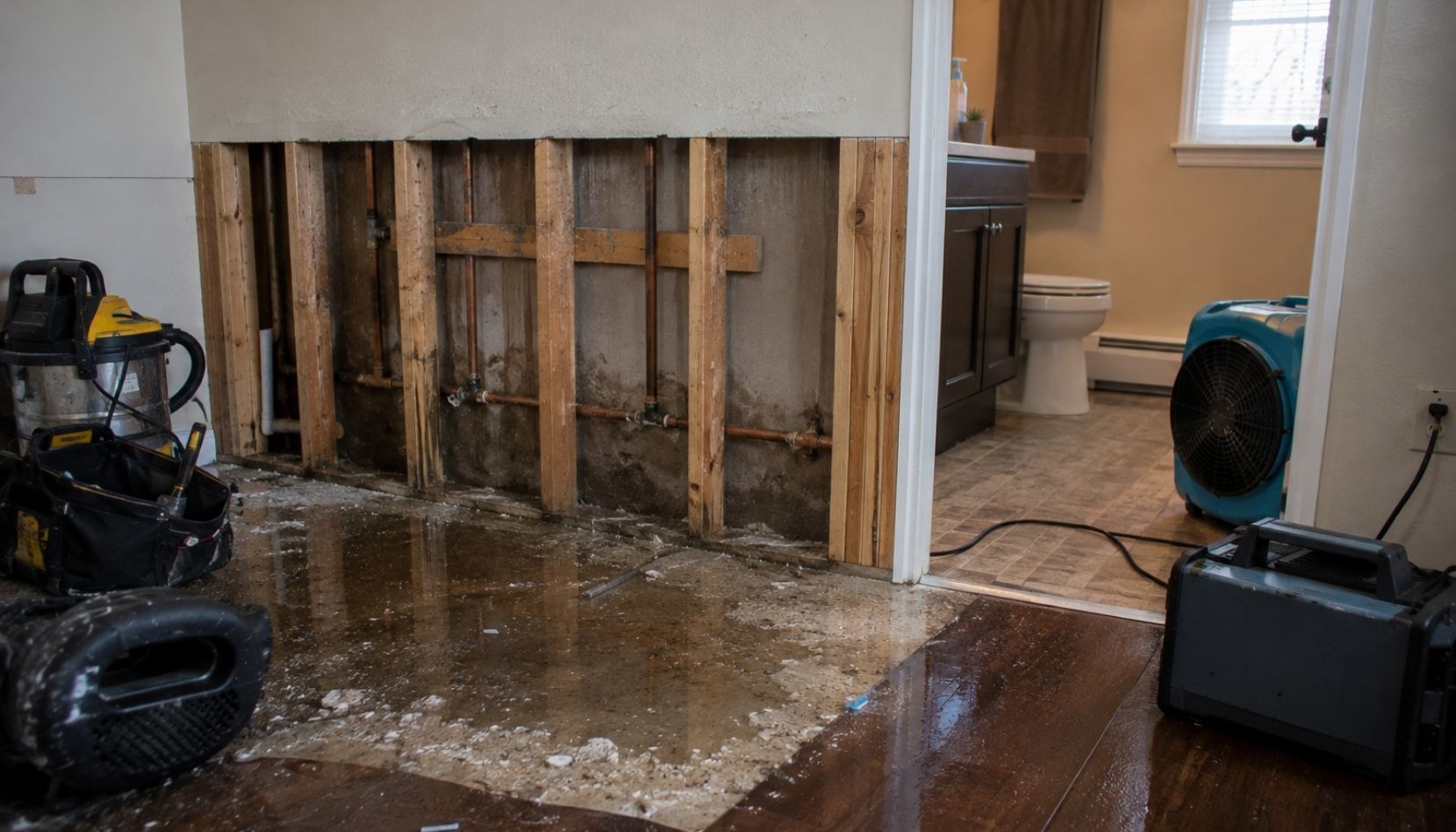
Most BOPs cover damage from fire, windstorms, hail, vandalism, theft, and certain types of water damage. Flood and earthquake damage are almost always excluded, which matters a lot depending on your location. In Minnesota, flooding along river corridors is a real concern for businesses in places like downtown St. Paul or Duluth's Canal Park area.
Property coverage is typically written on a "special form" basis within a BOP, meaning it covers all risks of loss except those specifically excluded. That's actually broader than what many standalone property policies offer, which is one of the advantages of bundling coverages into a single package.
Business Income: Replacing Lost Revenue During Recovery
This is the coverage most small business owners don't think about until they desperately need it. If a covered event, say a fire, forces you to close your doors for weeks or months, business income coverage replaces the revenue you would have earned during that downtime. It also covers ongoing expenses like rent, loan payments, and employee wages that don't stop just because your business did.
Most BOPs include business income coverage automatically, which is a significant advantage over buying it as a standalone add-on. Some policies also include "extra expense" coverage, which pays for costs you incur to keep operating from a temporary location, like renting a pop-up space or expediting equipment replacements.
I've seen this coverage save businesses that would have otherwise folded. A restaurant owner who lost three months of revenue to a kitchen fire was able to keep paying her staff and her lease because her BOP's business income provision kicked in within days of the claim.
Eligibility Rules: Is Your Business a Good Fit?
Not every business qualifies for a BOP. Insurers use specific criteria to determine whether your operation fits the risk profile these policies are designed for.
Size and Revenue Thresholds
BOPs are built for small to mid-sized operations. Most carriers cap eligibility based on annual revenue, square footage, and number of employees. The typical thresholds look something like this: annual revenue under $5 million to $10 million (varies by carrier), total premises under 25,000 to 100,000 square feet, and fewer than 100 employees.
If you run a two-location retail business doing $3 million in annual sales with 15 employees, you're almost certainly eligible. A company with 200 employees and $20 million in revenue? You'll need a commercial package policy instead, which offers more customization but costs more.
The exact thresholds vary significantly between insurance carriers, which is why working with an independent agency like Variant Insurance Group can be valuable. An independent agent shops multiple carriers and can identify which ones have the most favorable eligibility rules for your specific operation.
High-Risk Operations That Are Typically Disqualified
Certain business types are excluded from BOP eligibility regardless of size. Insurers consider these operations too risky or too complex for a standardized package. The most commonly disqualified businesses include:
- Restaurants and bars (due to high fire and liability risk)
- Auto dealerships and repair shops
- Manufacturing operations with heavy machinery
- Construction contractors
- Banks and financial institutions
- Entertainment venues and nightclubs
These businesses aren't uninsurable; they just need specialized commercial policies tailored to their unique risk profiles. A brewery in Minneapolis, for example, would need a package policy that accounts for liquor liability, equipment breakdown, and product contamination risks that a standard BOP simply wasn't designed to handle.
Comparing BOP Coverage vs. Standalone Policies
The biggest question most owners ask is whether a BOP actually saves money compared to buying individual policies. The short answer: yes, almost always, and often by 15% to 30%.
Comparison Chart: BOP vs. Individual General Liability
| Feature | BOP (Bundled) | Standalone Policies |
|---|---|---|
| General Liability | Included | $500-$1,500/year separately |
| Commercial Property | Included | $750-$2,500/year separately |
| Business Income | Included automatically | Often an add-on, $200-$500+ |
| Typical Annual Cost | ~$1,687/year average | $1,500-$4,500+ combined |
| Policy Management | One policy, one renewal | Multiple policies, multiple renewals |
| Customization | Moderate (via endorsements) | High (each policy tailored) |
| Best For | Small businesses meeting eligibility | Larger or high-risk operations |
The bundled approach also reduces the chance of coverage gaps between policies. When you buy liability and property separately from different carriers, there's always a risk that a claim falls into a gray area where neither policy responds. A BOP eliminates that problem because everything sits under one policy form with coordinated terms.
What a BOP Doesn't Cover: Identifying Your Gaps
A BOP handles a lot, but it has clear boundaries. Knowing what's excluded is just as important as knowing what's included, because these gaps are where businesses get blindsided.
A BOP will not cover workers' compensation (required by law in Minnesota for most employers), commercial auto insurance, professional liability or errors and omissions, health or life insurance for employees, flood or earthquake damage, employment practices liability (wrongful termination, discrimination claims), or cyber liability.
That last one, cyber liability, is increasingly critical. The frequency of cyberattacks targeting small businesses has continued to climb, and a data breach can cost far more than a property loss. If your business stores customer data, processes credit cards, or operates any kind of online platform, cyber coverage should be high on your list.
The good news is that many of these gaps can be filled with endorsements added directly to your BOP or with separate companion policies. An independent agent can review your full risk picture and identify exactly where you're exposed.
Common Questions About Business Owners Policies
FAQ: Does a BOP cover my employees if they get hurt on the job?
No. Workplace injuries are covered by workers' compensation insurance, which is a separate policy. Minnesota requires workers' comp for nearly all employers, so you'll need both a BOP and a workers' comp policy.
FAQ: Can I add professional liability to my BOP?
Yes, many carriers offer a professional liability or errors and omissions endorsement that can be added to your BOP. This is common for consultants, accountants, IT firms, and similar service-based businesses. Not every carrier offers it, though, so ask specifically.
FAQ: How much does a typical BOP cost for a small shop?
The national average sits around $141 per month, or about $1,687 annually. Your actual cost depends on your industry, location, revenue, claims history, and coverage limits. A home-based bookkeeper will pay far less than a retail store with $500,000 in inventory.
FAQ: Is a BOP required by law like auto insurance?
No. There's no law requiring a BOP. That said, your landlord, lender, or clients may contractually require you to carry certain coverages that a BOP provides. Commercial leases in Minnesota almost always require tenants to carry general liability and property insurance.
FAQ: What happens if I outgrow my BOP eligibility?
You'll transition to a commercial package policy, which offers similar coverages but with more flexibility and higher limits. Your agent should be reviewing your policy annually to catch this before it becomes a problem. At Variant Insurance Group, this kind of proactive review is standard: your agent monitors your business growth and adjusts your coverage before gaps appear.
Making the Right Choice for Your Small Business
A business owners policy bundles the three coverages most small businesses need: liability protection, property coverage, and business income replacement. It costs less than buying those policies individually, simplifies your paperwork, and reduces the risk of gaps between coverages. But it's not for every business, and it doesn't cover everything.
The smartest move is to start with a clear inventory of your risks. What do you own? Who visits your space? What would happen to your revenue if you had to close for a month? Once you have honest answers to those questions, you can determine whether a BOP covers your bases or whether you need additional endorsements and companion policies.
If you're a small business owner in Minnesota trying to figure out the right coverage mix, talk to an independent agent who can compare options across multiple carriers. The difference between a policy that protects you and one that leaves you exposed often comes down to details that only show up when you read the fine print, or when you file a claim and find out too late.

About the Author
Charlie Brookins
Founder & Agent/Owner, Variant Insurance Group
I'm Charlie Brookins, founder and owner of Variant Insurance Group. I built this agency on one idea: local people and businesses deserve honest advice and coverage that fits their real life. As an independent agent in Maple Plain, I shop many of Minnesota's top-rated carriers to find the right protection for your home, auto, life, and business, and I stay with you through every claim and change. My goal is simple: give you straight answers and coverage you can trust.
Recent Posts