
We compare Minnesota's top-rated insurance companies to find you strong coverage at a fair price. One local team handles your personal and business insurance.

Acreage and Country Home Insurance


Variant Insurance Group is a licensed independent insurance agency serving Minnesota families and businesses.

From our office in Maple Plain, our team works with many of Minnesota's top-rated carriers so your home, auto, life, and business coverage fits your real needs. We serve families and businesses across Minnesota.

04

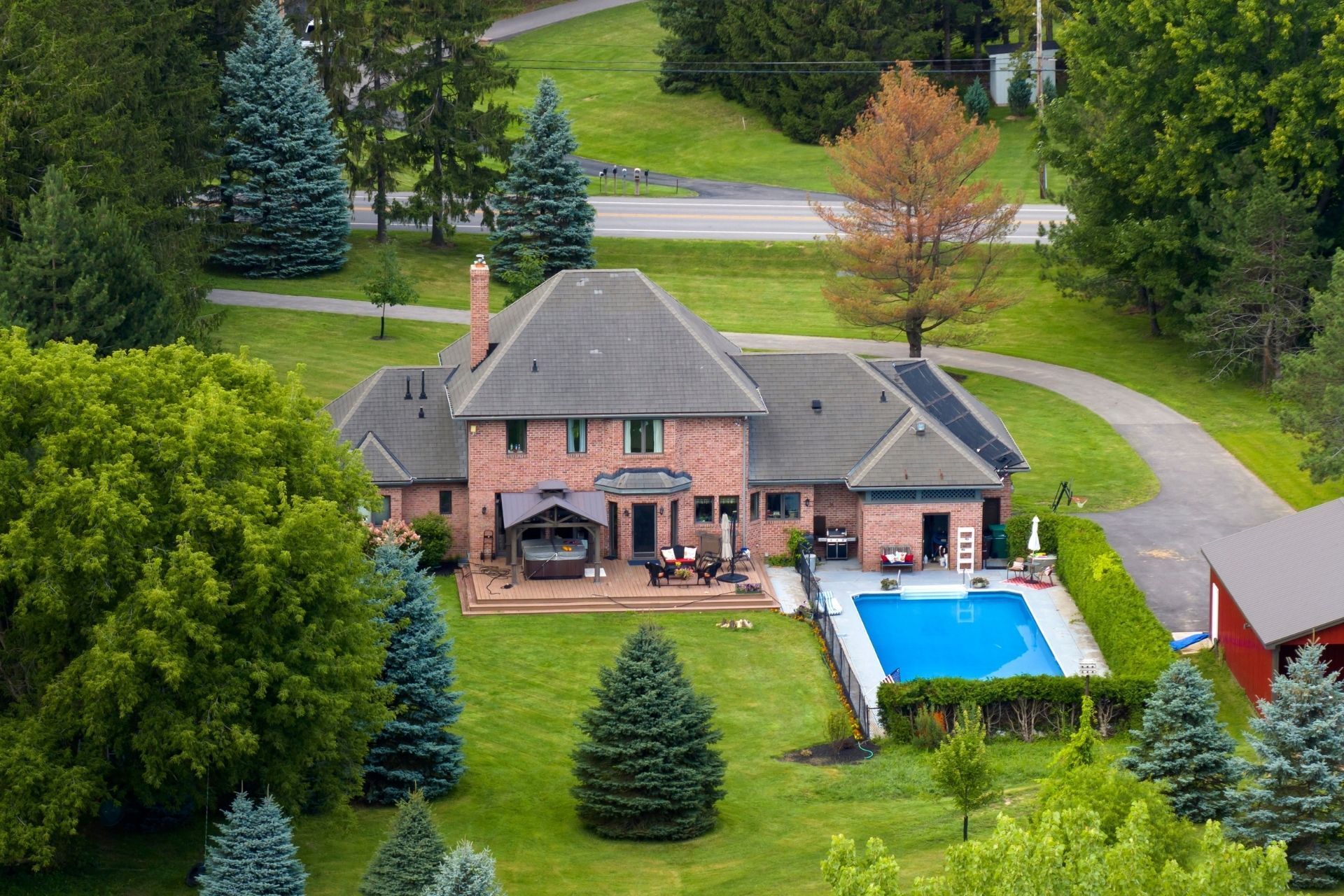
If you've ever tried to insure a 20-acre property with a pole barn, a well, a septic system, and a gravel driveway that winds a quarter mile back from the road, you already know that a standard homeowners policy doesn't quite fit. Country home insurance covers a different set of risks than a suburban split-level, and the rating factors that drive your premium can feel unfamiliar: fire response distance, outbuilding values, private water systems, and whether you keep a few horses or run a small hay operation on the side.


Understanding how these rural-specific factors affect your coverage and cost is the difference between being properly protected and finding out at claim time that your barn wasn't covered for what you thought. This guide breaks down the major pieces: how fire ratings work on acreage properties, what outbuilding and pole barn coverage actually looks like, why wells and septic systems need their own attention, how long driveways create unique risks, and where incidental farming activity fits into your policy. Whether you're buying your first hobby farm or you've lived on rural land for decades, the details here will help you ask your agent the right questions.

Understanding Rural Insurance: Why Acreage is Different

A house in a subdivision and a house on 40 acres might have identical square footage, but they present completely different risk profiles to an insurance company. Suburban homes sit near fire hydrants, paved roads, and hospitals. Rural properties often don't, and that gap creates real underwriting challenges.


Insurance carriers evaluate acreage homes on factors that rarely come up in town: distance to the nearest fire station, the condition of access roads, the presence (or absence) of a pressurized water supply, and whether the property includes agricultural activity. Each of these factors can change which companies are willing to write the policy, what endorsements you need, and how much you'll pay.


The good news is that insuring homes on large plots of land doesn't have to be painful. The key is working with someone who understands rural exposures and can match your property to the right carrier. That's one reason independent agencies like Variant Insurance Group tend to be a strong fit for acreage owners: they shop multiple companies rather than trying to force your property into a single carrier's box.

The Distance to Fire Services and Your Insurance Rating

Your home's proximity to fire protection is probably the single biggest factor that separates rural premiums from suburban ones. Carriers don't just want to know if a fire department exists nearby; they want to know how quickly it can respond and how much water it can bring.

Public Protection Class (PPC) Explained

ISO (the Insurance Services Office) assigns every area in the country a Public Protection Class rating from 1 to 10, with 1 being the best and 10 meaning essentially no fire protection. This PPC score directly affects your premium. A homeowner moving from a Class 10 (unprotected) area to a Class 1 rating can save approximately 47% on fire insurance costs. That's not a rounding error: it's a massive swing.


Your PPC depends on the fire department's staffing, equipment, training, and the local water supply. Rural volunteer departments often land in the Class 5 to 9 range, which means higher premiums compared to a city home with a Class 2 or 3 rating. Some communities have invested in improving their ISO classification specifically to lower insurance costs for residents.

The Five-Mile Rule for Fire Hydrants and Stations

Most carriers use a hard cutoff: if your home is more than five miles from a responding fire station, or more than 1,000 feet from a fire hydrant, your rating drops significantly. Some companies won't write the policy at all beyond that five-mile mark.


If you're right on the edge of that distance, it's worth confirming the exact measurement your carrier uses. Road miles and straight-line miles aren't the same thing, and the difference can push you into a worse rating class. A few carriers offer credits if you install a dry hydrant on your property or maintain a dedicated water source like a pond with a dry standpipe.

Protecting Outbuildings, Pole Barns, and Shops

Most acreage properties include structures beyond the main house: detached garages, pole barns, equipment sheds, chicken coops, workshops. These buildings represent real value, and they're often underinsured.

Other Structures Coverage (Coverage B) Limits

A standard homeowners policy includes Coverage B for "other structures," typically set at 10% of your dwelling coverage. If your home is insured for $350,000, you'd have $35,000 for all other structures combined. On a rural property with a $60,000 pole barn and a $15,000 shop, that default limit is woefully short.


You can increase Coverage B, but you need to be intentional about it. List your outbuildings with your agent, get replacement cost estimates for each one, and make sure the total Coverage B limit actually covers what you'd need to rebuild. Some carriers allow you to schedule individual outbuildings separately, which gives you more precise coverage.

Replacement Cost vs. Actual Cash Value for Barns

This is where a lot of acreage owners get caught. Replacement cost pays what it takes to rebuild the structure. Actual cash value (ACV) deducts depreciation, which means your 15-year-old pole barn might only pay out a fraction of what a new one would cost. Always ask which valuation method applies to your outbuildings, because it's not always the same as your dwelling coverage.

Insuring Critical Rural Infrastructure

Wells, septic systems, and long driveways are infrastructure that suburban homeowners never think about. On a rural property, they're essential, expensive to repair, and often poorly covered by default.

Well Pumps and Septic System Backups

A well pump failure can cost $3,000 to $8,000 to fix depending on depth and equipment. Septic system backups can cause interior damage that rivals a water main break. Standard policies often exclude or severely limit coverage for these systems.


Look for an equipment breakdown endorsement, which covers mechanical and electrical failure of systems like well pumps, pressure tanks, and septic pumps. This endorsement is often inexpensive relative to the protection it provides and fills a gap that most rural homeowners don't realize exists until something breaks in January.

Service Line Coverage for Long Driveways

If your driveway is a quarter mile long, you've got a quarter mile of buried electrical lines, water lines, or propane lines running from the road to your house. A standard policy doesn't cover the cost of digging up and repairing a buried service line. Service line coverage, typically available as an endorsement for $30 to $50 per year, covers exactly this scenario.


Long driveways also create access concerns for emergency vehicles. Many fire departments require minimum driveway widths and clearances for their apparatus to reach your home. If your driveway is too narrow or overgrown for a fire truck, your insurer may take that into account.

Incidental Farming and Liability Risks

Here's where things get tricky. If you keep a few chickens, sell eggs at a roadside stand, board a couple of horses, or cut hay on your back 20 acres, you're engaged in farming activity, even if it's not your primary income. Most standard homeowners policies exclude business and farming operations.


Some carriers offer an "incidental farming" endorsement that extends your homeowners liability coverage to small-scale agricultural activity. This typically covers things like a visitor getting kicked by your horse or a customer slipping at your farm stand. The definition of "incidental" varies by company, but it generally means farming that generates less than a few thousand dollars in annual revenue and isn't your primary occupation.


If your operation grows beyond incidental, you'll need a farmowners policy, which is a different product entirely. The line between hobby farming and commercial farming matters enormously for liability. Variant Insurance Group works with multiple carriers that write both incidental farming endorsements and full farmowners policies, so they can help you figure out which category your operation falls into and match you with the right coverage.

Comparison: Standard Homeowners vs. Acreage Policies

Feature Standard Homeowners Acreage/Country Home Policy
Other Structures (Coverage B) 10% of dwelling, rarely adjusted Customizable, scheduled outbuildings
Fire Rating Impact Minimal (urban PPC 1-4) Major factor (rural PPC 5-10)
Well/Septic Coverage Usually excluded Available via endorsement
Service Line Coverage Optional, short runs Critical for long driveways
Incidental Farming Excluded Endorsement available
Liability for Animals Limited or excluded Livestock liability options
Wildfire Mitigation Credits Rare Available with some carriers

The biggest takeaway from this comparison: a standard policy can technically cover a rural home, but it leaves significant gaps unless you add the right endorsements. An acreage-specific policy or a properly endorsed homeowners policy fills those gaps from the start.

Common Questions About Country Home Insurance

Does my distance from a fire station really affect my premium that much? Yes. The difference between a PPC Class 3 and a PPC Class 9 can mean hundreds or even thousands of dollars annually. Properties beyond five miles from a station face the steepest increases.


Will my homeowners policy cover my pole barn automatically? It falls under Coverage B (other structures), but the default limit is usually 10% of your dwelling coverage, which often isn't enough. You'll likely need to increase that limit.


Do I need separate insurance for my well and septic system? Standard policies don't cover mechanical breakdown of these systems. An equipment breakdown endorsement is the most common way to add this protection, and it's typically under $100 per year.


Can I sell eggs or produce without a special policy? Most carriers allow very small-scale sales under an incidental farming endorsement. Once revenue exceeds a few thousand dollars or you hire help, you'll likely need a farmowners policy.


What if my driveway is too long for fire trucks to access my home? Some carriers may increase your rate or decline coverage. Maintaining proper wildfire prevention clearances and access standards around your driveway and home can help with both safety and insurability.


Are my fences covered? Fences are typically covered under Coverage B as other structures, but they share that limit with your barn, shed, and other outbuildings. Make sure your total Coverage B limit accounts for everything.

Making the Right Choice for Your Rural Property

Getting the right insurance for an acreage property comes down to understanding your specific exposures and making sure your policy actually addresses them. Fire response distance, outbuilding values, private infrastructure, and any farming activity all need to be part of the conversation with your agent.


Don't assume your current policy covers everything just because you haven't had a claim. Pull out your declarations page and check your Coverage B limits, your PPC rating, and whether you have endorsements for equipment breakdown and service lines. If any of those feel unfamiliar, that's a sign you should have a detailed review.


An independent agency like Variant Insurance Group can compare options across multiple carriers to find the right combination of coverage and cost for your property. Rural insurance isn't one-size-fits-all, and the carrier that's best for a suburban rambler probably isn't the best fit for your 30 acres with a pole barn and a well. Reach out to a local agent who understands country properties and can build a policy that actually matches what you own.

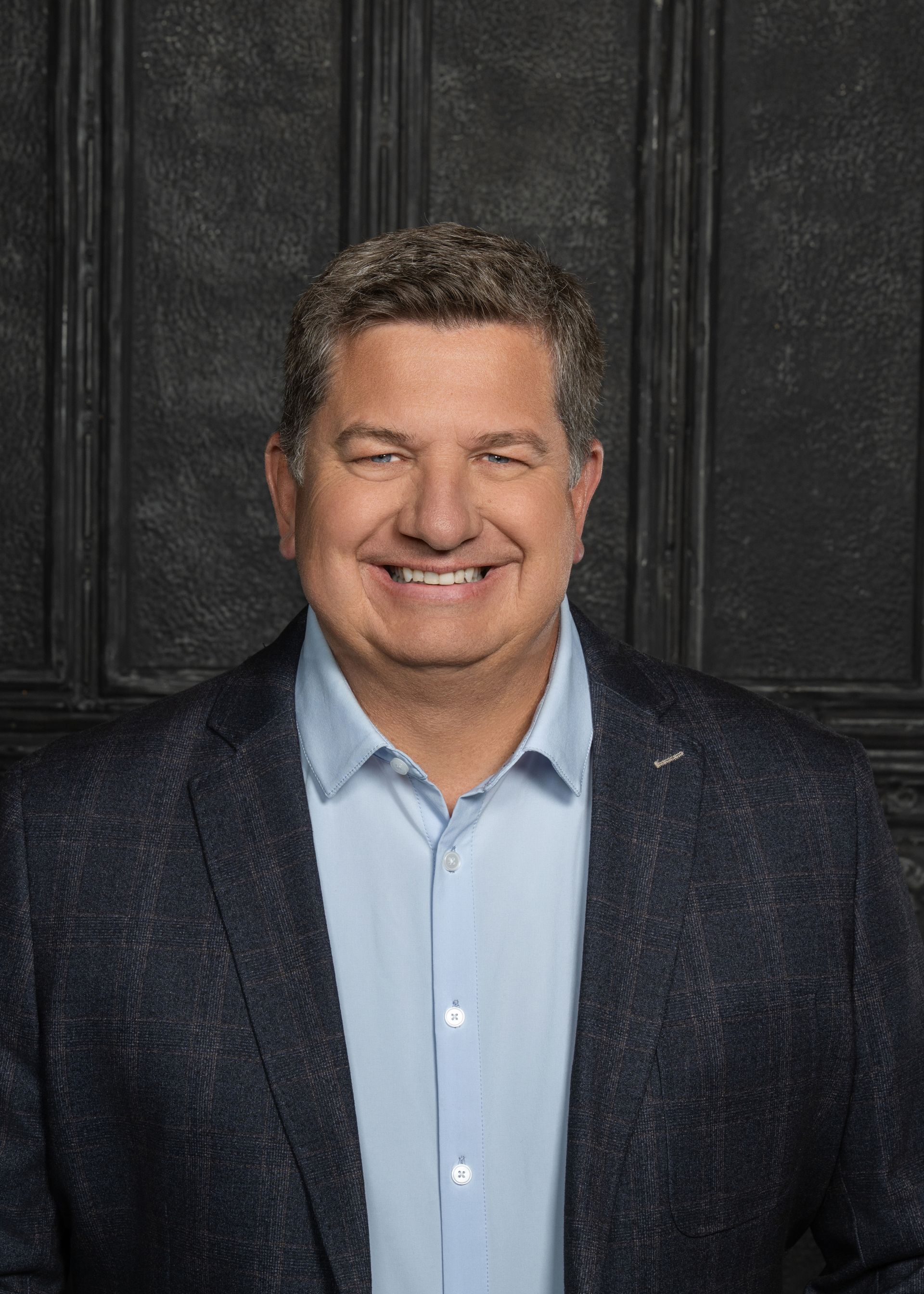
By: Charlie Brookins

Agent/Owner, Variant Insurance Group

Variant Insurance Group is a licensed independent insurance agency serving Minnesota families and businesses.

From our office in Maple Plain, our team works with many of Minnesota's top-rated carriers so your home, auto, life, and business coverage fits your real needs. We serve families and businesses across Minnesota.

About the Author

Charlie Brookins

Founder & Agent/Owner, Variant Insurance Group

I'm Charlie Brookins, founder and owner of Variant Insurance Group. I built this agency on one idea: local people and businesses deserve honest advice and coverage that fits their real life. As an independent agent in Maple Plain, I shop many of Minnesota's top-rated carriers to find the right protection for your home, auto, life, and business, and I stay with you through every claim and change. My goal is simple: give you straight answers and coverage you can trust.

One agent, many carriers

We represent many top-rated insurance companies. You get more coverage choices, better pricing, and one point of contact for every policy you own.

01

We shop as your life changes

04

New home, new vehicle, or a growing business? We re-shop your coverage across carriers so your protection keeps pace and your rate stays fair.

Personal Insurance

Coverage for your home, auto, and life

Protection for the people and things that matter most, shopped across Minnesota's top-rated carriers.

Auto Insurance

Coverage for your car, truck, or SUV. We compare carriers to protect you on the road at a fair price.

Home Insurance

Protection for your house, your belongings, and your liability. We match you with the right coverage for your home.

Life Insurance

Support for the people who depend on you. We help you compare term and whole life options that fit your budget.

Umbrella Insurance

Extra liability protection above your home and auto limits. A strong safety net for your family and your assets.

Renters Insurance

Coverage for your belongings and liability in a rented home or apartment. Affordable protection with quick setup.

Recreational Vehicle Insurance

Coverage for boats, motorcycles, ATVs, and campers. Enjoy the season with the right protection in place.

One agent, many carriers

We represent many top-rated insurance companies. You get more coverage choices, better pricing, and one point of contact for every policy you own.

01

We shop as your life changes

04

New home, new vehicle, or a growing business? We re-shop your coverage across carriers so your protection keeps pace and your rate stays fair.

Business Insurance

Coverage that protects what you have built

Liability, property, auto, and more, shopped across Minnesota's top-rated commercial carriers.

One agent, many carriers

We represent many top-rated insurance companies. You get more coverage choices, better pricing, and one point of contact for every policy you own.

01

We shop as your life changes

04

New home, new vehicle, or a growing business? We re-shop your coverage across carriers so your protection keeps pace and your rate stays fair.

Industries we serve

Coverage built for your industry

Contractor Insurance

Coverage for Minnesota contractors and the trades — general liability, tools and equipment, property, and workers comp. Protection for the job site and the crew.

Apartment Complex Insurance

Your income depends on the housing you provide, and wind, fire, or flood can interrupt it. Apartment Complex Insurance helps protect your property, your liability if a tenant or worker is injured, and your personal assets.

Brewery Insurance

You have pictured this brewery for years. Whether you just make great beer or serve food and merchandise too, Variant helps Minnesota breweries find the right coverage, from startups to major production facilities.

Our carrier bench

We shop these carriers so you don't have to

Plus specialty market access through Burns & Wilcox, CRC Group, Amwins, RPS and US Assure.

One agent, many carriers

We represent many top-rated insurance companies. You get more coverage choices, better pricing, and one point of contact for every policy you own.

01

We shop as your life changes

04

New home, new vehicle, or a growing business? We re-shop your coverage across carriers so your protection keeps pace and your rate stays fair.

Four steps, one real person from start to finish.

30 seconds — name, email, phone. Or just call. We’ll ask the right questions from there.

4

We stay in your corner

See all the industries we cover →

In their words

What our clients say

Frequently asked questions

Your insurance questions, answered

These are the questions Minnesota families and businesses ask us most. If you don't see yours here, call or message us — a real local agent is glad to help.

  • What does an independent insurance agency do?

    An independent agency represents many insurance companies instead of just one. We shop your coverage across those carriers and compare protection and price for you.


    That means more choices and one local team for every policy. You get honest guidance and a single point of contact you can trust.

  • How do you find me the best rate?

    We start with your details and what you need to protect. Then we compare quotes from many top-rated carriers side by side.


    We explain the coverage and the cost in plain terms, so the choice is clear. As your life changes, we re-shop your policies to keep your rate fair.

  • Can you handle both my personal and business insurance

    Yes. We cover your home, auto, and life along with your workers comp, commercial property, and commercial auto.


    One team manages it all, so you make one call for every policy. That saves you time and keeps your coverage consistent.

  • What should I do if I need to file a claim?

    Call us or contact your carrier as soon as it is safe to do so. Gather photos, notes, and any details about what happened.


    Our local team walks you through each step and follows up with the carrier. We stay in your corner until the claim is resolved.

  • Which areas do you serve?

    Our office is in Maple Plain, Minnesota, and we serve families and businesses across the state. You can visit us, call, or email.


    We know the local area and the coverage Minnesota requires. [CONFIRM: list any additional licensed states.]

  • How do I get started?

    Request a quote online or call 763-333-2533. Share a few details and we take it from there.


    We shop your coverage, compare your options, and explain what fits. There is no pressure and no obligation to buy.

One agent, many carriers

We represent many top-rated insurance companies. You get more coverage choices, better pricing, and one point of contact for every policy you own.

01

We shop as your life changes

04

New home, new vehicle, or a growing business? We re-shop your coverage across carriers so your protection keeps pace and your rate stays fair.

See all the industries we cover →

Named an Auto-Owners Sapphire Agency — a distinction reserved for a select group of the carrier's top-performing independent agencies.

From our blog

Insurance tips for Minnesota

Practical guides on coverage for your home, auto, and business.

28 August 2026
Learn what an HOA master policy covers, bare walls vs. all-in coverage, where HO-6 insurance applies, and how loss assessments affect owners.
28 August 2026
Learn what a Business Owners Policy covers, including property, liability, business income, eligibility rules, and common coverage gaps.
28 August 2026
Learn who pays when pipes freeze in a rental, how landlord and renters insurance split losses, and when heat maintenance clauses can affect coverage.

763-333-2533

Let's get started

Ready for clearly different insurance?

Get a free quote and see how much a local, independent agency can do for you. No pressure, no obligation.

763-333-2533

info@variantinsurance.com

5159 Main Street East #200, Maple Plain, MN 55359

 Monday–Friday, 8:30am–5:00pm