We compare Minnesota's top-rated insurance companies to find you strong coverage at a fair price. One local team handles your personal and business insurance.

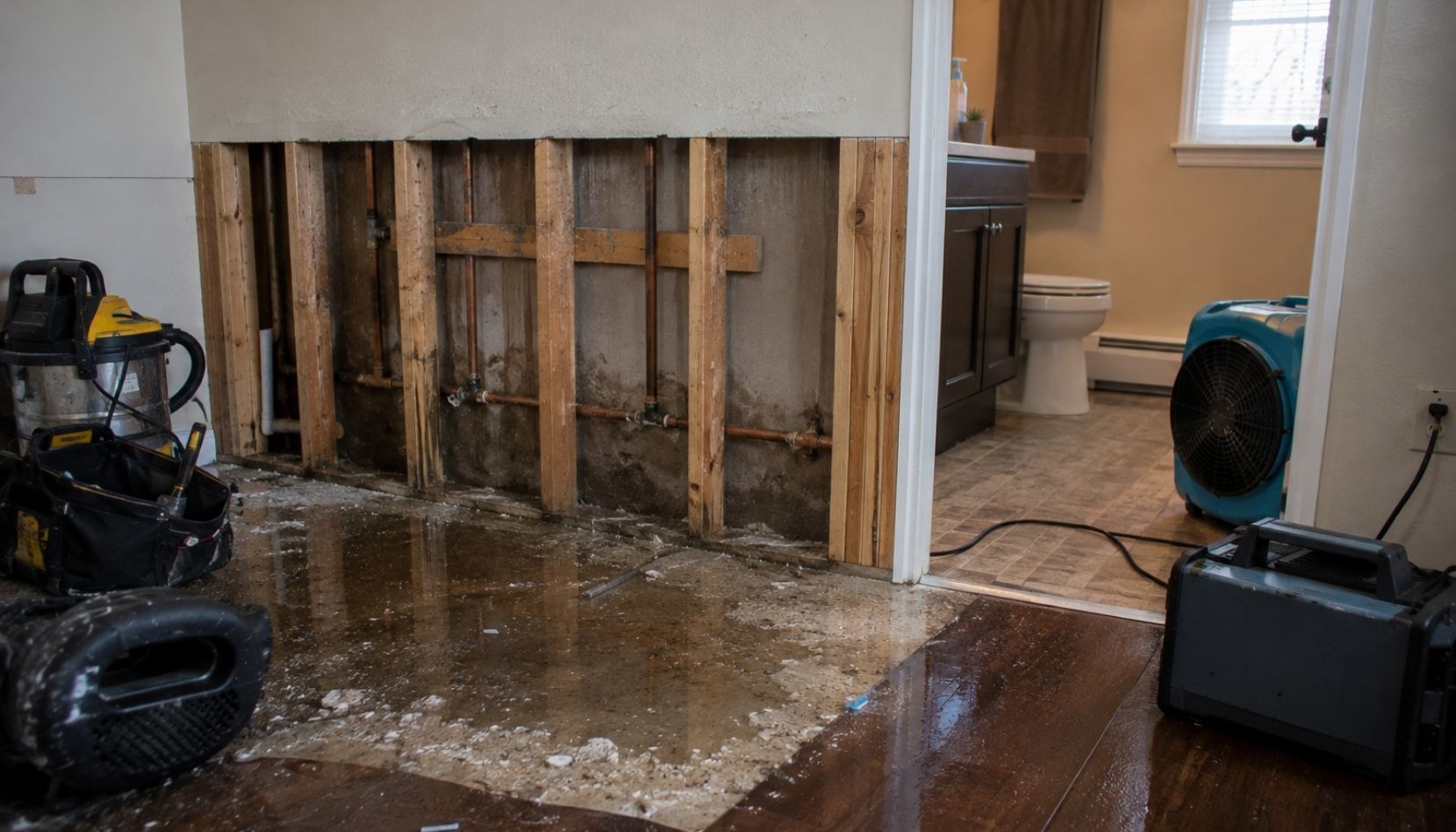
A burst pipe on the third floor of a condo building floods two units below it. The association files a claim on its master policy, but the insurer applies a $25,000 deductible. The board votes to pass that cost to the affected owners. Suddenly, three homeowners are staring at five-figure bills they never anticipated.
This scenario plays out constantly, and it catches people off guard because most condo and townhome owners have only a vague sense of what the HOA's insurance actually covers versus what falls on them personally. The gap between what the association's master policy handles and what individual owners must insure themselves is one of the most misunderstood areas in residential insurance. Homeowners insurance now accounts for a record 9% of typical total monthly housing costs, which means the stakes for getting this right keep climbing. Understanding the difference between bare walls and all-in master policy forms, knowing where your unit owner coverage picks up, and recognizing how a large association deductible becomes your personal bill are all essential if you want to avoid a costly surprise.
Understanding the HOA Master Policy Framework
Every condominium or townhome association carries a master insurance policy. This is the community-level coverage that protects the building's structure, common areas, and the association itself from liability claims. Think of it as the umbrella over the entire property, but the size and shape of that umbrella varies dramatically depending on the policy form the board selected and the language in your governing documents.
The master policy is funded through your monthly or quarterly HOA dues. As insurance premiums have surged in recent years, many associations are
dealing with sudden and steep increases in their insurance costs, which directly translates into higher assessments for owners. Knowing what the master policy does and doesn't cover helps you understand both your dues and your personal exposure.
Common Areas and Shared Liabilities
The master policy always covers common areas: hallways, lobbies, elevators, roofs, exterior walls, parking structures, pools, and clubhouses. It also provides general liability coverage for injuries that occur in those shared spaces. If a visitor slips on an icy walkway or a falling tree damages the building's facade, the master policy responds.
Shared mechanical systems like boilers, HVAC for common spaces, and plumbing mains typically fall under the master policy as well. The key distinction is that these are elements no single owner controls or maintains individually.
The Role of the Association's Governing Documents
Your CC&Rs (Covenants, Conditions, and Restrictions) and bylaws spell out exactly where the association's insurance responsibility ends and yours begins. Some documents define "unit" as everything inside the drywall. Others include the drywall itself, the flooring, and even original cabinetry.
Before you assume anything, read your governing documents. They override general assumptions about what "bare walls" or "all-in" means for your specific community. If the language is unclear, ask the board for a copy of the master policy's declarations page, which summarizes the coverage form.
Bare Walls vs. All-In Coverage Models
This is the single most important distinction for any condo owner to understand. The master policy form determines what the association insures inside your unit, and the two main approaches couldn't be more different.
Bare Walls: Defining the Owner's Interior Responsibility
A bare walls policy (sometimes called "studs-in" or "walls-in") covers the building's structure up to the unfinished interior surfaces. That means the association insures the framing, exterior cladding, roof, and common elements, but everything inside your unit is your problem: drywall, paint, flooring, cabinets, countertops, appliances, plumbing fixtures, and electrical fixtures.
Under this model, if a covered peril like fire or water damage destroys your kitchen, the master policy pays to rebuild the structural shell. You're responsible for everything that makes it livable. This is the more common form in many states, and it places a heavier insurance burden on individual owners.
All-In Policies: Coverage for Original Fixtures and Improvements
An all-in master policy (also called "single entity" or "all-inclusive") covers the building structure plus the original fixtures, installations, and improvements as they were built by the developer. Flooring, cabinetry, countertops, built-in appliances, and standard finishes are all included.
The catch is that any upgrades you've made after the original construction typically aren't covered. If you renovated your bathroom with custom tile and high-end fixtures, the master policy might only reimburse the cost of the original builder-grade materials. You'd need your own policy to cover the difference. Lenders like Fannie Mae and Freddie Mac have been updating their condominium project insurance requirements throughout 2025 and 2026, making it even more critical that associations carry adequate coverage.
Comparison: HOA Responsibility vs. Unit Owner Responsibility
The division of responsibility shifts significantly depending on which policy form your association carries. Here's a clear breakdown.
Coverage Comparison Table
| Item | Bare Walls Master Policy | All-In Master Policy |
|---|---|---|
| Roof, exterior walls, foundation | HOA covers | HOA covers |
| Common areas (lobby, pool, hallways) | HOA covers | HOA covers |
| Drywall, paint, interior walls | Owner covers | HOA covers (original) |
| Flooring (carpet, tile, hardwood) | Owner covers | HOA covers (original) |
| Cabinets and countertops | Owner covers | HOA covers (original) |
| Built-in appliances | Owner covers | HOA covers (original) |
| Owner upgrades and renovations | Owner covers | Owner covers |
| Personal belongings | Owner covers | Owner covers |
| Personal liability | Owner covers | Owner covers |
| Master policy deductible | May be assessed to owner | May be assessed to owner |
Notice that personal property and liability are always the owner's responsibility, regardless of the master policy form. And that last row about deductibles? That's where many owners get blindsided.
Where Your HO-6 Policy Picks Up the Slack
An HO-6 policy is the standard condo or townhome owner's insurance policy, and it's not optional if you want to be properly protected. Even with an all-in master policy, significant gaps remain that only your personal coverage can fill.
Personal Property and Liability Protection
Your HO-6 covers your furniture, electronics, clothing, and other personal belongings if they're damaged or stolen. It also provides personal liability coverage if someone is injured inside your unit or if you accidentally cause damage to another unit (like that overflowing bathtub scenario).
Most HO-6 policies also include loss of use coverage, which pays for temporary housing if your unit becomes uninhabitable after a covered loss. This is one of those coverages people forget about until they're sleeping in a hotel for three months while water damage repairs drag on.
Loss Assessment Coverage for Shared Deductibles
Here's where things get real. Association master policies often carry deductibles of $10,000, $25,000, or even $50,000 or more. When the association files a claim, that deductible has to be paid before insurance kicks in. Most boards pass that cost to the affected unit owner or spread it across all owners through a special assessment.
Loss assessment coverage on your HO-6 policy reimburses you for these charges. Standard policies include $1,000 in loss assessment coverage, which is laughably inadequate given current deductible levels. At Variant Insurance Group, we regularly recommend owners increase this to $25,000 or $50,000, which typically costs only a few dollars per month but can save you from a devastating out-of-pocket hit. Homeowners across the country are facing crushing insurance cost increases, and loss assessments are one of the most direct ways those costs land on individual owners.
Managing Risks for Large-Scale Associations
Larger associations with hundreds of units face a unique set of challenges. Their master policies carry higher premiums, higher deductibles, and more complex coverage structures. A single catastrophic event can trigger assessments that ripple through every owner in the community.
Boards of large associations should review their master policy annually, not just at renewal. Coverage needs change as buildings age, property values shift, and new lending standards from Fannie Mae and Freddie Mac impose stricter insurance requirements on condo projects. An independent agency like Variant Insurance Group can shop the master policy across multiple carriers to find better pricing without sacrificing coverage, something a single-company agent simply can't do.
One practical step for any large association: publish an annual insurance summary for all owners. This document should clearly state the master policy form (bare walls or all-in), the deductible amount, and a recommendation for minimum HO-6 coverage levels. Informed owners are less likely to be underinsured, which means fewer disputes and fewer hardship cases when assessments hit.
Common Questions About HOA Insurance
FAQ: Conversational Answers for New Homeowners
Does my mortgage lender require me to have an HO-6 policy? Most lenders do, yes. They want to know that your interior improvements and personal liability are covered beyond what the master policy provides. Even if your lender doesn't require it, going without one is a significant financial risk.
How do I find out if my HOA has a bare walls or all-in policy? Ask your HOA board or property manager for the master policy declarations page. It will state the coverage form. Your CC&Rs should also describe the insurance responsibilities, though the actual policy language controls if there's a conflict.
Can the HOA charge me for the master policy deductible? Yes. Most governing documents allow the board to assess the deductible to the owner whose unit was involved in the claim, or to spread it across all owners. This is exactly why loss assessment coverage on your HO-6 is so important.
What if I've renovated my unit? Upgrades beyond the original construction are almost never covered by the master policy, even under an all-in form. Your HO-6 should include dwelling improvements coverage (sometimes called "Coverage A" on the HO-6) that's high enough to rebuild your upgrades.
Are floods and earthquakes covered by the master policy? Typically not. Standard master policies exclude flood and earthquake damage. The association may carry separate policies for these perils, but you should verify and consider your own supplemental coverage if you're in a risk-prone area.
My HOA fees keep going up. Is insurance the reason? Often, yes. HOA fees are soaring in many communities, and rising insurance premiums are one of the primary drivers. Ask your board for a budget breakdown so you can see exactly how much of your dues go toward the master policy.
Ensuring You Are Fully Protected
The relationship between your HOA's master policy and your personal HO-6 coverage isn't something you can set and forget. Master policies change at renewal. Deductibles creep upward. Boards switch from all-in to bare walls forms to save money. Any of these shifts can leave you exposed overnight if your HO-6 hasn't been adjusted to match.
Get a copy of your association's master policy declarations page every year. Compare it against your HO-6 to make sure there are no gaps. Pay special attention to the deductible amount and make sure your loss assessment coverage is high enough to absorb it. If you've done any renovations, verify that your dwelling improvements limit reflects the actual cost to rebuild those upgrades.
Working with an independent agency that represents multiple carriers gives you an advantage here. At Variant Insurance Group, we review your HOA's master policy alongside your personal coverage to identify gaps before they become claims. If you own a condo or townhome in Minnesota and haven't reviewed your coverage recently, reach out for a no-obligation policy review. A 20-minute conversation now can save you from a five-figure surprise later.

About the Author
Charlie Brookins
Founder & Agent/Owner, Variant Insurance Group
I'm Charlie Brookins, founder and owner of Variant Insurance Group. I built this agency on one idea: local people and businesses deserve honest advice and coverage that fits their real life. As an independent agent in Maple Plain, I shop many of Minnesota's top-rated carriers to find the right protection for your home, auto, life, and business, and I stay with you through every claim and change. My goal is simple: give you straight answers and coverage you can trust.
Recent Posts