

We compare Minnesota's top-rated insurance companies to find you strong coverage at a fair price. One local team handles your personal and business insurance.
Variant Insurance Group is a licensed independent insurance agency serving Minnesota families and businesses.
From our office in Maple Plain, our team works with many of Minnesota's top-rated carriers so your home, auto, life, and business coverage fits your real needs. We serve families and businesses across Minnesota.
04
A burst pipe in your basement and a flooded basement from a spring storm might look identical, but your insurance company treats them as completely different events. That distinction catches thousands of homeowners off guard every year, and in Minnesota, where snowmelt and heavy rains regularly push rivers and lakes over their banks, the consequences of not understanding it can be financially devastating. Flood insurance works nothing like your standard homeowners policy: the pricing follows different rules, there's a waiting period before coverage kicks in, and the program itself is split between a government system and a growing private market. Whether you're buying your first home in a mapped floodplain or you just want to understand what you're actually protected against, this guide breaks down how flood coverage works, what drives costs, and where the gaps in your protection might be hiding. The NFIP currently backs roughly 4.5 million policies nationwide, but that number represents only a fraction of the properties actually at risk. If you've never had a flood claim, the details below might surprise you.
Why Your Homeowners Policy Won't Cover Flood Damage
Your homeowners insurance policy contains a specific exclusion for flood damage. This isn't buried in fine print or ambiguous: it's a clear, intentional carve-out that has existed for decades. Insurance companies exclude flood because the risk is too concentrated. Homes in flood-prone areas would all file claims at the same time from the same event, making it financially impossible for a single insurer to absorb those losses the way they absorb scattered fire or theft claims.
The result is that overland water, meaning water that enters your home from outside at ground level or above, is never a covered peril on a standard homeowners policy. Not from storm surge, not from river overflow, not from heavy rain pooling in your yard and seeping through your foundation. This is the single biggest misunderstanding we see homeowners make, and it's why flood insurance exists as a separate product entirely
Defining Overland Water vs. Internal Plumbing Failures
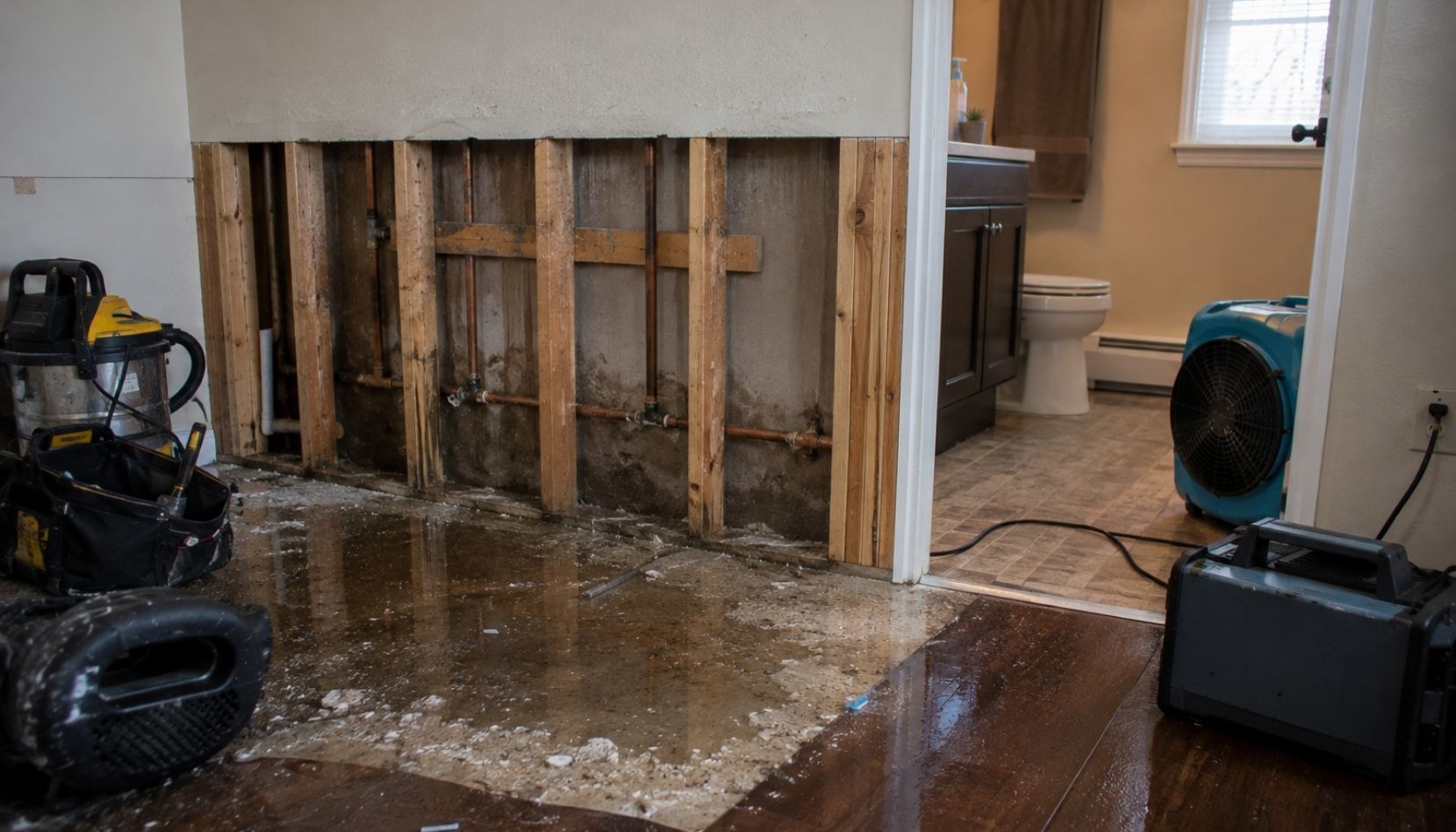
Your homeowners policy does cover certain types of water damage: a burst pipe, a failed washing machine hose, or an overflowing bathtub. These are internal, sudden, and accidental events. The key factor is where the water originates. If water comes from inside your home's plumbing or appliance systems, your homeowners policy generally responds.
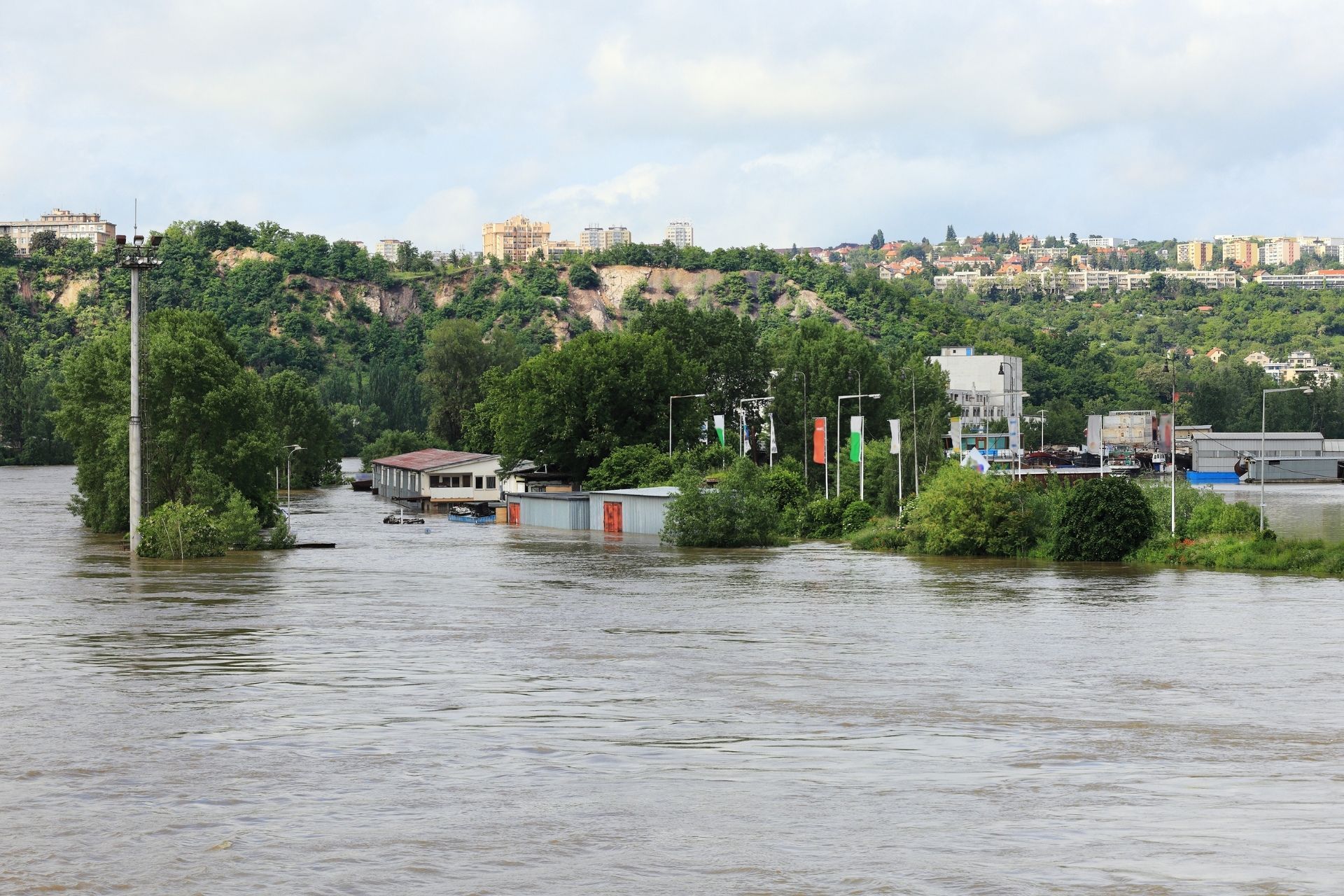
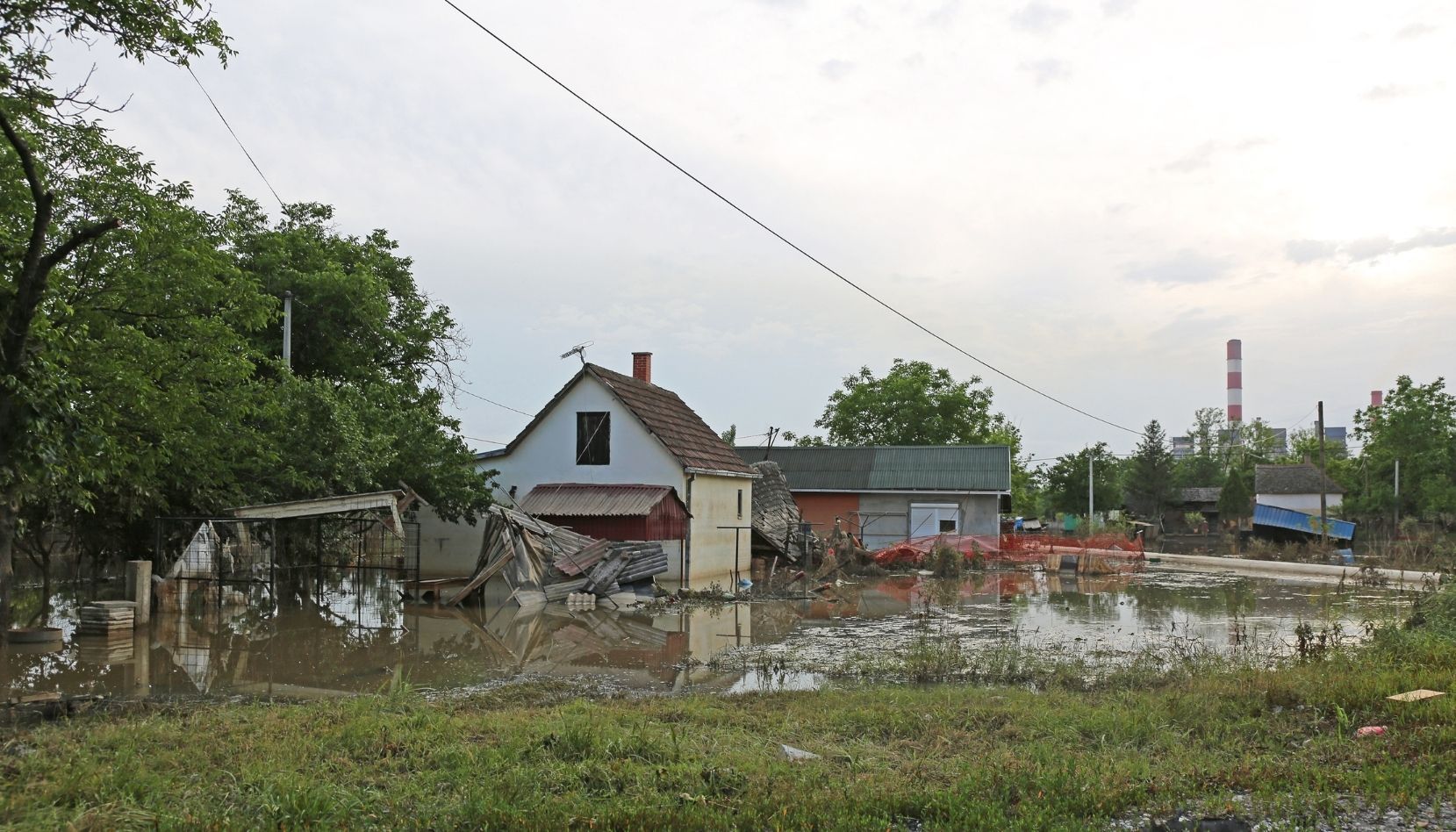
Overland water is different. It's water that originates from an external source and moves across land surfaces before entering your home. Rain that overwhelms storm drains and flows into your garage, creek water that rises over its banks, snowmelt that pools against your foundation: all of these qualify as flood under insurance definitions, regardless of whether FEMA has declared a disaster.
The 2-Acre Rule: When Water Damage Becomes a General Flood
The NFIP defines a flood as a general and temporary condition where normally dry land is inundated by water, and the condition affects two or more acres of land or at least two properties. This matters because it draws a hard line. If heavy rain causes water to pool only on your lot and enter your basement, your homeowners insurer might still deny it as surface water, but it may not technically meet the NFIP's flood definition either. You could find yourself in a coverage gap where neither policy responds.
This is exactly why many homeowners in Minnesota add both flood insurance and a sewer/water backup endorsement to their homeowners policy. They cover different scenarios, and neither one substitutes for the other.

NFIP vs. Private Flood Insurance: A Comparison Guide
Two distinct markets sell flood insurance in 2026: the National Flood Insurance Program, managed by FEMA, and a growing number of private insurers. The NFIP was created in 1968 because private companies wouldn't touch flood risk. That's changed significantly, and private flood insurance has become increasingly competitive across much of the country, offering higher limits and sometimes lower premiums.
Comparison Table: Government Backing vs. Private Markets
| Feature | NFIP | Private Flood Insurance |
|---|---|---|
| Backed by | Federal government (FEMA) | Private insurers (varies by carrier) |
| Max building coverage | $250,000 residential | Often $500,000+ |
| Max contents coverage | $100,000 | Often $250,000+ |
| Replacement cost on contents | No (actual cash value) | Often available |
| Loss of use coverage | Not included | Often included |
| Waiting period | 30 days | Varies: some as short as 10-14 days |
| Pricing model | Risk Rating 2.0 (standardized) | Carrier-specific underwriting |
| Availability | Any community in the NFIP | May decline high-risk properties |
Coverage Limits for Buildings and Personal Property
The NFIP caps residential building coverage at $250,000 and contents at $100,000. If your home is worth $400,000 and you have $150,000 in belongings, you're underinsured from day one with NFIP alone. Private carriers can fill that gap with higher limits, and many also include replacement cost coverage on personal property rather than the NFIP's actual cash value approach, which depreciates your belongings before paying out.
One thing to keep in mind: private flood policies aren't standardized. Each carrier writes its own policy language, so the definitions of covered perils, exclusions, and claim procedures can vary significantly. An independent agency like Variant Insurance Group can compare multiple private flood options alongside the NFIP to identify the best fit for your specific property and budget.

How Flood Zones and Base Flood Elevation (BFE) Impact Your Premium
Your flood insurance premium isn't based on your credit score or your claims history the way auto insurance is. It's driven primarily by your property's flood zone designation and its elevation relative to the base flood elevation, which is the height floodwater is expected to reach during a 1% annual chance flood event (often called the "100-year flood," though that term is misleading).
Under FEMA's Risk Rating 2.0 pricing methodology, premiums now reflect property-specific risk factors including distance to water, flood frequency, and the cost to rebuild: not just the flood zone on a map.
Understanding High-Risk vs. Low-to-Moderate Risk Zones
FEMA designates flood zones using letters. The ones you'll encounter most often:
- Zone A and AE: High-risk areas with a 1% annual chance of flooding. Mortgage lenders require flood insurance here.
- Zone X (shaded): Moderate risk, 0.2% annual chance. No federal mandate, but still meaningful risk.
- Zone X (unshaded): Minimal risk. Most people here skip flood insurance, though roughly 25% of all NFIP claims come from these zones.
In Minnesota, river corridors along the Mississippi, Minnesota, and St. Croix rivers contain significant AE zones. But flash flooding from heavy rain events can impact properties well outside mapped floodplains, which is why zone designation alone shouldn't dictate your decision.
The Role of Elevation Certificates in Pricing
An Elevation Certificate is a survey document that shows your home's lowest floor elevation relative to the BFE. If your home sits two feet above the BFE, your premium will be substantially lower than a home sitting at or below it. Under Risk Rating 2.0, FEMA uses its own data sources for elevation, but submitting an Elevation Certificate can still result in a lower premium if it shows your property is higher than FEMA's estimates.
Getting an Elevation Certificate costs between $300 and $600 from a licensed surveyor. For homes near the BFE threshold, that investment can pay for itself within a single policy year through premium savings.
Navigating the Mandatory Waiting Period
You can't buy flood insurance the day before a storm and expect it to cover the damage. Both the NFIP and most private carriers impose a waiting period between when you purchase the policy and when coverage begins.
The 30-Day NFIP Rule and Private Policy Alternatives
The NFIP enforces a strict 30-day waiting period from the date of purchase. You pay your premium, and then you wait a full month before your coverage is active. This prevents people from buying policies only when a storm is forecast.
Private flood insurers often offer shorter waiting periods: some as brief as 10 to 14 days, though this varies by carrier. If you're in a situation where timing matters, a private policy might get you covered faster. That said, no legitimate flood policy offers instant coverage outside of specific exceptions.
Exceptions for Loan Closings and Map Revisions
Two situations bypass the standard waiting period. First, if you're purchasing or refinancing a home and your lender requires flood insurance, the policy can take effect at closing with no waiting period. Second, if FEMA revises your flood map and your property is newly designated as high-risk, you have a brief window to purchase coverage without waiting.
The NFIP's authorization itself requires periodic congressional reauthorization, with the current extension set to expire September 30, 2026. If you're relying on the NFIP, keep an eye on whether Congress extends the program, as lapses have happened before and can create confusion for homebuyers and lenders.
Common Questions About Flood Coverage
Does my mortgage company require me to have flood insurance?
If your property is in a high-risk flood zone (Zone A or V) and you have a federally backed mortgage, yes: your lender is legally required to mandate flood insurance. If you don't buy it, the lender will force-place a policy at a much higher cost.
Can I get flood insurance if I don't live in a high-risk zone?
Absolutely. Anyone can buy flood insurance regardless of zone designation, and premiums in low-risk zones are often quite affordable. Given that a significant percentage of flood claims come from outside high-risk areas, it's worth considering even if your lender doesn't require it.
Will FEMA help me if I don't have a private policy?
FEMA disaster assistance is not a substitute for insurance. The average FEMA disaster grant is around $5,000 to $10,000, and it's a grant, not a full repair payment. SBA disaster loans are available but must be repaid with interest. Neither comes close to covering what a flood insurance policy would pay.
What is the difference between a flood and a sewer backup?
A sewer backup occurs when water comes up through your drains due to a blocked or overwhelmed municipal sewer system. This is covered by a sewer/water backup endorsement on your homeowners policy, not by flood insurance. A flood is overland water entering from outside. You may need both coverages, and they're purchased separately.
Making the Right Choice for Your Property
Flood risk isn't something you can afford to guess about, especially in a state like Minnesota where spring thaws and summer storms regularly test drainage systems and riverbanks. The difference between the NFIP and private flood coverage, how your elevation and zone affect pricing, and the waiting period rules all shape what you'll pay and what you'll actually be covered for when water shows up uninvited.
If you're unsure whether your current coverage has gaps, or if you've never priced out flood insurance because you assumed your homeowners policy had you covered, now is the time to check. Variant Insurance Group shops multiple carriers, including both NFIP and private flood options, to match your property's specific risk profile with the right policy. A quick conversation with a local agent who understands Minnesota's flood exposure can save you from discovering a coverage gap the hard way. Reach out to get a personalized flood insurance quote and see exactly where you stand.
On this page
Variant Insurance Group is a licensed independent insurance agency serving Minnesota families and businesses.
From our office in Maple Plain, our team works with many of Minnesota's top-rated carriers so your home, auto, life, and business coverage fits your real needs. We serve families and businesses across Minnesota.

About the Author
Charlie Brookins
Founder & Agent/Owner, Variant Insurance Group
I'm Charlie Brookins, founder and owner of Variant Insurance Group. I built this agency on one idea: local people and businesses deserve honest advice and coverage that fits their real life. As an independent agent in Maple Plain, I shop many of Minnesota's top-rated carriers to find the right protection for your home, auto, life, and business, and I stay with you through every claim and change. My goal is simple: give you straight answers and coverage you can trust.
One agent, many carriers
We represent many top-rated insurance companies. You get more coverage choices, better pricing, and one point of contact for every policy you own.
01
We shop as your life changes
04
New home, new vehicle, or a growing business? We re-shop your coverage across carriers so your protection keeps pace and your rate stays fair.

Personal Insurance
Coverage for your home, auto, and life
Protection for the people and things that matter most, shopped across Minnesota's top-rated carriers.
Auto Insurance
Coverage for your car, truck, or SUV. We compare carriers to protect you on the road at a fair price.
Home Insurance
Protection for your house, your belongings, and your liability. We match you with the right coverage for your home.
Life Insurance
Support for the people who depend on you. We help you compare term and whole life options that fit your budget.
Umbrella Insurance
Extra liability protection above your home and auto limits. A strong safety net for your family and your assets.
Renters Insurance
Coverage for your belongings and liability in a rented home or apartment. Affordable protection with quick setup.
Recreational Vehicle Insurance
Coverage for boats, motorcycles, ATVs, and campers. Enjoy the season with the right protection in place.
One agent, many carriers
We represent many top-rated insurance companies. You get more coverage choices, better pricing, and one point of contact for every policy you own.
01
We shop as your life changes
04
New home, new vehicle, or a growing business? We re-shop your coverage across carriers so your protection keeps pace and your rate stays fair.

Business Insurance
Coverage that protects what you have built
Liability, property, auto, and more, shopped across Minnesota's top-rated commercial carriers.
Workers Compensation
Coverage for employee injuries and lost wages. We help Minnesota employers meet state rules and protect their crew.
Commercial General Liability
Protection against third-party injury and property damage claims. Core coverage for most Minnesota businesses.
Commercial Property
Coverage for your building, equipment, and inventory. We protect the physical assets your business depends on.
Commercial Auto
Coverage for vehicles your business owns and drives. We match trucks, vans, and fleets with the right protection.
Commercial Umbrella
Extra liability limits above your other business policies. Added protection for larger claims and contracts.
Commercial Professional Liability
Coverage for your building, equipment, and inventory. We protect the physical assets your business depends on.

One agent, many carriers
We represent many top-rated insurance companies. You get more coverage choices, better pricing, and one point of contact for every policy you own.
01
We shop as your life changes
04
New home, new vehicle, or a growing business? We re-shop your coverage across carriers so your protection keeps pace and your rate stays fair.
Industries we serve
Coverage built for your industry

Contractor Insurance
Coverage for Minnesota contractors and the trades — general liability, tools and equipment, property, and workers comp. Protection for the job site and the crew.

Apartment Complex Insurance
Your income depends on the housing you provide, and wind, fire, or flood can interrupt it. Apartment Complex Insurance helps protect your property, your liability if a tenant or worker is injured, and your personal assets.

Brewery Insurance
You have pictured this brewery for years. Whether you just make great beer or serve food and merchandise too, Variant helps Minnesota breweries find the right coverage, from startups to major production facilities.


Our carrier bench
We shop these carriers so you don't have to


Plus specialty market access through Burns & Wilcox, CRC Group, Amwins, RPS and US Assure.
One agent, many carriers
We represent many top-rated insurance companies. You get more coverage choices, better pricing, and one point of contact for every policy you own.
01
We shop as your life changes
04
New home, new vehicle, or a growing business? We re-shop your coverage across carriers so your protection keeps pace and your rate stays fair.
Four steps, one real person from start to finish.
30 seconds — name, email, phone. Or just call. We’ll ask the right questions from there.
4
We stay in your corner
In their words
What our clients say
Frequently asked questions
Your insurance questions, answered
These are the questions Minnesota families and businesses ask us most. If you don't see yours here, call or message us — a real local agent is glad to help.
What does an independent insurance agency do?
An independent agency represents many insurance companies instead of just one. We shop your coverage across those carriers and compare protection and price for you.
That means more choices and one local team for every policy. You get honest guidance and a single point of contact you can trust.
How do you find me the best rate?
We start with your details and what you need to protect. Then we compare quotes from many top-rated carriers side by side.
We explain the coverage and the cost in plain terms, so the choice is clear. As your life changes, we re-shop your policies to keep your rate fair.
Can you handle both my personal and business insurance
Yes. We cover your home, auto, and life along with your workers comp, commercial property, and commercial auto.
One team manages it all, so you make one call for every policy. That saves you time and keeps your coverage consistent.
What should I do if I need to file a claim?
Call us or contact your carrier as soon as it is safe to do so. Gather photos, notes, and any details about what happened.
Our local team walks you through each step and follows up with the carrier. We stay in your corner until the claim is resolved.
Which areas do you serve?
Our office is in Maple Plain, Minnesota, and we serve families and businesses across the state. You can visit us, call, or email.
We know the local area and the coverage Minnesota requires. [CONFIRM: list any additional licensed states.]
How do I get started?
Request a quote online or call 763-333-2533. Share a few details and we take it from there.
We shop your coverage, compare your options, and explain what fits. There is no pressure and no obligation to buy.
One agent, many carriers
We represent many top-rated insurance companies. You get more coverage choices, better pricing, and one point of contact for every policy you own.
01
We shop as your life changes
04
New home, new vehicle, or a growing business? We re-shop your coverage across carriers so your protection keeps pace and your rate stays fair.

Named an Auto-Owners Sapphire Agency — a distinction reserved for a select group of the carrier's top-performing independent agencies.
From our blog
Insurance tips for Minnesota
Practical guides on coverage for your home, auto, and business.