


We compare Minnesota's top-rated insurance companies to find you strong coverage at a fair price. One local team handles your personal and business insurance.

Manufactured Home Insurance


Variant Insurance Group is a licensed independent insurance agency serving Minnesota families and businesses.

From our office in Maple Plain, our team works with many of Minnesota's top-rated carriers so your home, auto, life, and business coverage fits your real needs. We serve families and businesses across Minnesota.

04

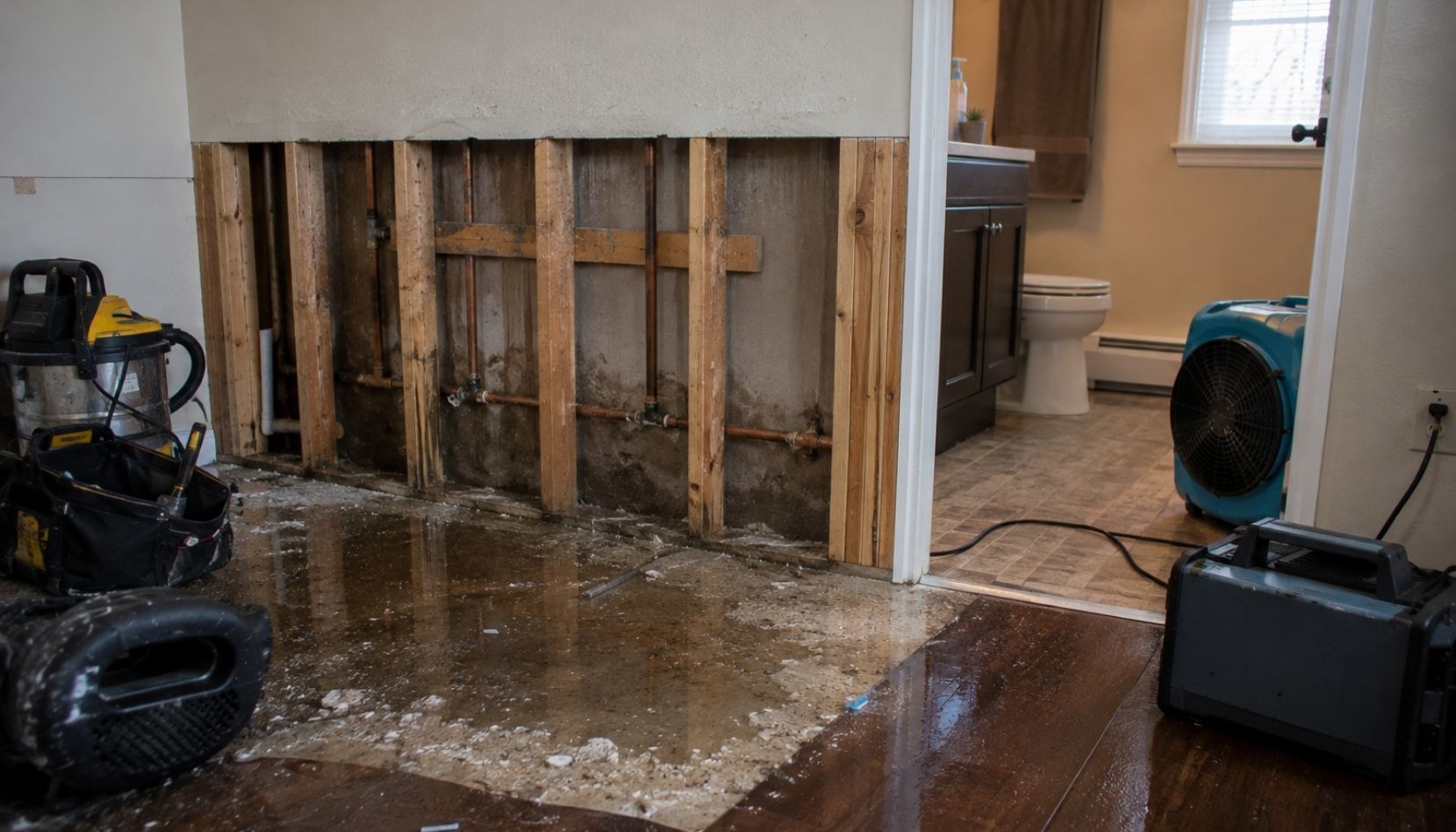
Your policy is designed to cover sudden and accidental losses, not gradual deterioration. A roof that leaks because a windstorm ripped off shingles? Covered. A roof that leaks because you haven't replaced it in 25 years and the shingles are crumbling? That's maintenance, and your insurer will deny it.


Common maintenance-related denials include mold from long-term moisture problems, pest damage (termites, carpenter ants, rodents), foundation settling, and rust or corrosion. The frustrating part is that these issues can cause tens of thousands of dollars in damage, but they develop slowly enough that insurers classify them as the homeowner's responsibility to prevent.

Does my insurance cover my stuff if it's stolen from my car?

Factory-built homes account for a growing share of new housing in the United States. As of April 2026, manufactured home shipments reached 33,054 units, representing 9.9% of all new single-family housing starts. That's a lot of homeowners who need coverage that doesn't quite fit the standard homeowners insurance mold. Insuring a manufactured home involves a different set of considerations than insuring a site-built house: how the home is valued, how it's anchored, whether it sits on owned land or a leased lot, and what happens if it needs to be moved. These factors shape everything from what you'll pay to how much you'll receive after a loss. If you own or are shopping for a factory-built home, understanding how manufactured home insurance works, from valuation and foundation requirements to transit exposure and park rules, is the difference between real protection and an expensive surprise at claim time. This guide breaks down each of those factors so you can make a confident decision.

Understanding Manufactured Home Valuation and Ratings

Manufactured homes depreciate differently than site-built houses. A stick-built home on a permanent foundation generally appreciates alongside its land. A manufactured home, particularly one on a leased lot, often loses value over time, much like a vehicle. This depreciation pattern is the single biggest factor that separates manufactured home insurance from a standard homeowners policy.


Insurers rate manufactured homes based on several factors: the year of manufacture, the dimensions (single-wide vs. double-wide vs. triple-wide), the HUD label and serial number, construction materials, and the home's current condition. A 2024 double-wide in good shape will be rated very differently from a 1990 single-wide with original roofing. Location matters too: homes in high-wind zones or flood-prone areas carry higher premiums, and specific rate factors like age, size, and local building codes all feed into what you'll pay.

How Stated Value Settlement Works

Stated value is the most common settlement method for manufactured homes, and it's the one that catches people off guard. With stated value coverage, you and the insurer agree on a dollar amount when the policy is written. If the home is a total loss, the insurer pays the lesser of the stated value or the actual cost to repair or replace the home.


Here's where it gets tricky. If you stated your home at $85,000 five years ago but its current replacement cost is $110,000, you're stuck at $85,000. On the other hand, if the home has depreciated to $60,000 in market value, the insurer still won't pay more than the cost to replace or repair. The stated value is a ceiling, not a guarantee. You should review your settlement option carefully and update it every few years to keep it aligned with reality.

Replacement Cost vs. Actual Cash Value

The other two settlement options are replacement cost and actual cash value (ACV). Replacement cost pays what it would take to replace your home with one of similar size, quality, and features at current prices, without deducting for depreciation. ACV pays replacement cost minus depreciation, which means a 15-year-old home will receive significantly less than a new one.


Replacement cost coverage is more expensive but protects you far better after a major loss. ACV is cheaper month to month, but the gap between what you receive and what you need to rebuild can be devastating. For newer manufactured homes, replacement cost is almost always worth the extra premium. For older homes where the value has dropped substantially, stated value or ACV may be more practical, but go in with your eyes open about the tradeoff.

Structural Safety: Tie-Down and Foundation Requirements

How your manufactured home is anchored to the ground affects both your safety and your insurability. Insurers care deeply about this because a home that isn't properly secured is far more likely to sustain catastrophic damage during a storm. In Minnesota, where straight-line winds and severe thunderstorms are annual realities, this isn't an academic concern.

HUD Code and Wind Zone Classifications

Every manufactured home built after June 15, 1976, must comply with the HUD Code, which sets federal standards for construction, fire safety, and energy efficiency. The HUD Code divides the country into three wind zones. Zone I covers most inland areas, including Minnesota, with homes designed to withstand 70 mph winds. Zone II handles coastal and higher-risk areas at 100 mph, and Zone III covers hurricane-prone coastlines at 110 mph.


Your home's wind zone classification determines its required tie-down specifications. A Zone I home needs fewer and lighter anchors than a Zone III home. If you purchase a manufactured home that was originally installed in a different wind zone, your insurer may require upgrades before issuing coverage. Always check that the HUD data plate inside your home matches the wind zone requirements for your installation site.

Permanent Foundations and Insurance Eligibility

Placing a manufactured home on a permanent foundation changes its insurance profile significantly. A permanent foundation, typically a concrete perimeter wall or basement, can qualify the home for conventional mortgage financing and, in many cases, standard homeowners insurance rather than a specialized manufactured home policy.


Homes on piers, blocks, or runners with tie-down straps are considered temporarily installed, even if they've sat in the same spot for decades. This distinction matters because permanent foundation installation can open up broader coverage options and sometimes lower premiums. The foundation must meet HUD's Permanent Foundations Guide for Manufactured Housing (PFGMH) to count. If you're planning to set a manufactured home on your own land in Minnesota, investing in a permanent foundation is one of the smartest financial moves you can make.

Managing Transit Exposure and Moving Risks

One of the unique risks of manufactured homes is that they occasionally need to be moved. Whether it's the initial delivery from the factory to the home site, a relocation from one lot to another, or a move out of a closing park, transit creates exposure that your standard policy doesn't cover.


Your regular manufactured home policy typically excludes damage that occurs while the home is in transit. The home is being towed on public roads, exposed to road vibrations, low-clearance hazards, other drivers, and weather. Walls can crack, roofing can peel, and frames can twist. The risk profile during a move looks nothing like the risk profile of a home sitting on its foundation.

Trip Transit Endorsements

A trip transit endorsement is a temporary add-on to your policy that covers the home during a specific move. It's usually purchased for a set number of days and covers physical damage to the home during loading, transport, and unloading. Costs vary based on the distance, the value of the home, and the route, but expect to pay a few hundred dollars for a typical in-state move.


One thing to keep in mind: the moving company's liability coverage is usually minimal and won't come close to covering the full value of your home. Don't assume the transporter's insurance has you covered. Ask your agent about a trip transit endorsement before the move date, not after. An independent agency like Variant Insurance Group can check multiple carriers for transit coverage options, since not every insurer offers this endorsement.

Comparison of Coverage: Standard vs. Specialized Protection

Not all manufactured home policies are created equal. Here's a side-by-side look at what standard coverage typically includes versus what a specialized manufactured home policy offers:

Feature Standard Homeowners (HO-3) Specialized Manufactured Home Policy
Eligibility Permanent foundation required Any approved installation
Settlement options Replacement cost standard Stated value, ACV, or replacement cost
Transit coverage Not available Trip transit endorsement available
Tie-down requirements N/A Must meet HUD wind zone specs
Park lot liability N/A Can include lot-specific liability
Flood/wind riders Available separately Available separately
Personal property Included Included, limits vary

If your home sits on a permanent foundation on land you own, you may qualify for a standard HO-3 policy. If it's on piers in a manufactured home community, you'll almost certainly need a specialized policy. Specialized manufactured home coverage is designed to address the exact gaps that standard policies leave open, and it's the right fit for most factory-built home situations.

How Park Rules and Location Impact Your Policy

Living in a manufactured home community introduces a layer of complexity that homeowners on private land don't face. Park rules can dictate everything from skirting requirements to pet policies to the age of homes allowed on lots. These rules also affect your insurance.


Many parks require residents to carry a minimum amount of liability coverage, typically $100,000 or more. Some parks require proof of insurance before you can move in. And regulatory trends in 2026 show increasing scrutiny of park operators, which may lead to more standardized requirements across communities. If the park requires specific coverage, your policy needs to reflect that, or you risk eviction.

Leased Land vs. Private Property Considerations

The land question is fundamental. If you own the land under your manufactured home, you insure both the structure and the property, similar to any homeowner. If you lease a lot in a park, you insure only the structure and your belongings. The park owner insures the land and common areas.


This distinction affects your premium and your coverage needs. On leased land, you don't need dwelling coverage for the lot itself, but you do need liability coverage in case someone is injured at your home. You also need to understand what happens if the park closes or sells. Manufactured home park sales and closures have become more common as institutional investors acquire communities, and residents sometimes face relocation with limited notice. Having a policy that includes or can add transit coverage becomes more valuable in that scenario. Variant Insurance Group works with clients across Minnesota who face exactly this situation, shopping multiple carriers to find coverage that accounts for the realities of park living.

Common Questions About Manufactured Home Coverage

Do I need special insurance for a manufactured home, or will a regular homeowners policy work? If your home is on a permanent foundation and you own the land, you may qualify for a standard policy. Otherwise, you'll need a specialized manufactured home policy that accounts for tie-downs, transit, and settlement type.


What's the difference between a mobile home and a manufactured home for insurance purposes? Homes built after June 15, 1976, under the HUD Code are classified as manufactured homes. Homes built before that date are mobile homes. Insurers treat them differently, and older mobile homes are harder and more expensive to insure.


Will my insurance cover damage during a move? Not under your standard policy. You need a trip transit endorsement, which covers the home during loading, transport, and unloading for a specific move.


Does skirting affect my insurance rate? Yes. Proper skirting protects the underside of your home from wind, animals, and moisture, and many insurers offer lower rates when skirting is installed.


Can I insure a manufactured home that's more than 20 years old? You can, but options narrow significantly. Some carriers won't cover homes older than a certain age, and those that do often limit you to actual cash value settlement. An independent agent can search across multiple companies to find coverage for older homes.


Does my park's insurance cover my home? No. The park's policy covers common areas and the land. Your home, belongings, and personal liability are your responsibility.

Before You Buy a Policy

Manufactured home insurance isn't complicated once you understand the moving parts: how your home is valued, how it's anchored, where it sits, and what happens if you need to move it. The biggest mistakes happen when people assume their coverage works the same as a standard homeowners policy and discover the gaps only after a loss.


Take the time to understand whether stated value, actual cash value, or replacement cost is right for your situation. Confirm your tie-downs meet HUD wind zone standards. If you live in a park, know the rules and make sure your policy satisfies them. And if a move is in your future, get a trip transit endorsement before the truck shows up.


Working with an independent agency like Variant Insurance Group means you're not locked into one carrier's options. Your agent can compare coverage from multiple insurers, find the right settlement method for your home's age and value, and make sure nothing falls through the cracks. Reach out to talk through your specific situation: a quick conversation now can save you thousands later.

By: Charlie Brookins

Agent/Owner, Variant Insurance Group

Variant Insurance Group is a licensed independent insurance agency serving Minnesota families and businesses.

From our office in Maple Plain, our team works with many of Minnesota's top-rated carriers so your home, auto, life, and business coverage fits your real needs. We serve families and businesses across Minnesota.

About the Author

Charlie Brookins

Founder & Agent/Owner, Variant Insurance Group

I'm Charlie Brookins, founder and owner of Variant Insurance Group. I built this agency on one idea: local people and businesses deserve honest advice and coverage that fits their real life. As an independent agent in Maple Plain, I shop many of Minnesota's top-rated carriers to find the right protection for your home, auto, life, and business, and I stay with you through every claim and change. My goal is simple: give you straight answers and coverage you can trust.

One agent, many carriers

We represent many top-rated insurance companies. You get more coverage choices, better pricing, and one point of contact for every policy you own.

01

We shop as your life changes

04

New home, new vehicle, or a growing business? We re-shop your coverage across carriers so your protection keeps pace and your rate stays fair.

Personal Insurance

Coverage for your home, auto, and life

Protection for the people and things that matter most, shopped across Minnesota's top-rated carriers.

Auto Insurance

Coverage for your car, truck, or SUV. We compare carriers to protect you on the road at a fair price.

Home Insurance

Protection for your house, your belongings, and your liability. We match you with the right coverage for your home.

Life Insurance

Support for the people who depend on you. We help you compare term and whole life options that fit your budget.

Umbrella Insurance

Extra liability protection above your home and auto limits. A strong safety net for your family and your assets.

Renters Insurance

Coverage for your belongings and liability in a rented home or apartment. Affordable protection with quick setup.

Recreational Vehicle Insurance

Coverage for boats, motorcycles, ATVs, and campers. Enjoy the season with the right protection in place.

One agent, many carriers

We represent many top-rated insurance companies. You get more coverage choices, better pricing, and one point of contact for every policy you own.

01

We shop as your life changes

04

New home, new vehicle, or a growing business? We re-shop your coverage across carriers so your protection keeps pace and your rate stays fair.

Business Insurance

Coverage that protects what you have built

Liability, property, auto, and more, shopped across Minnesota's top-rated commercial carriers.

One agent, many carriers

We represent many top-rated insurance companies. You get more coverage choices, better pricing, and one point of contact for every policy you own.

01

We shop as your life changes

04

New home, new vehicle, or a growing business? We re-shop your coverage across carriers so your protection keeps pace and your rate stays fair.

Industries we serve

Coverage built for your industry

Contractor Insurance

Coverage for Minnesota contractors and the trades — general liability, tools and equipment, property, and workers comp. Protection for the job site and the crew.

Apartment Complex Insurance

Your income depends on the housing you provide, and wind, fire, or flood can interrupt it. Apartment Complex Insurance helps protect your property, your liability if a tenant or worker is injured, and your personal assets.

Brewery Insurance

You have pictured this brewery for years. Whether you just make great beer or serve food and merchandise too, Variant helps Minnesota breweries find the right coverage, from startups to major production facilities.

Our carrier bench

We shop these carriers so you don't have to

Plus specialty market access through Burns & Wilcox, CRC Group, Amwins, RPS and US Assure.

One agent, many carriers

We represent many top-rated insurance companies. You get more coverage choices, better pricing, and one point of contact for every policy you own.

01

We shop as your life changes

04

New home, new vehicle, or a growing business? We re-shop your coverage across carriers so your protection keeps pace and your rate stays fair.

Four steps, one real person from start to finish.

30 seconds — name, email, phone. Or just call. We’ll ask the right questions from there.

4

We stay in your corner

See all the industries we cover →

In their words

What our clients say

Frequently asked questions

Your insurance questions, answered

These are the questions Minnesota families and businesses ask us most. If you don't see yours here, call or message us — a real local agent is glad to help.

  • What does an independent insurance agency do?

    An independent agency represents many insurance companies instead of just one. We shop your coverage across those carriers and compare protection and price for you.


    That means more choices and one local team for every policy. You get honest guidance and a single point of contact you can trust.

  • How do you find me the best rate?

    We start with your details and what you need to protect. Then we compare quotes from many top-rated carriers side by side.


    We explain the coverage and the cost in plain terms, so the choice is clear. As your life changes, we re-shop your policies to keep your rate fair.

  • Can you handle both my personal and business insurance

    Yes. We cover your home, auto, and life along with your workers comp, commercial property, and commercial auto.


    One team manages it all, so you make one call for every policy. That saves you time and keeps your coverage consistent.

  • What should I do if I need to file a claim?

    Call us or contact your carrier as soon as it is safe to do so. Gather photos, notes, and any details about what happened.


    Our local team walks you through each step and follows up with the carrier. We stay in your corner until the claim is resolved.

  • Which areas do you serve?

    Our office is in Maple Plain, Minnesota, and we serve families and businesses across the state. You can visit us, call, or email.


    We know the local area and the coverage Minnesota requires. [CONFIRM: list any additional licensed states.]

  • How do I get started?

    Request a quote online or call 763-333-2533. Share a few details and we take it from there.


    We shop your coverage, compare your options, and explain what fits. There is no pressure and no obligation to buy.

One agent, many carriers

We represent many top-rated insurance companies. You get more coverage choices, better pricing, and one point of contact for every policy you own.

01

We shop as your life changes

04

New home, new vehicle, or a growing business? We re-shop your coverage across carriers so your protection keeps pace and your rate stays fair.

See all the industries we cover →

Named an Auto-Owners Sapphire Agency — a distinction reserved for a select group of the carrier's top-performing independent agencies.

From our blog

Insurance tips for Minnesota

Practical guides on coverage for your home, auto, and business.

28 August 2026
Learn what an HOA master policy covers, bare walls vs. all-in coverage, where HO-6 insurance applies, and how loss assessments affect owners.
28 August 2026
Learn what a Business Owners Policy covers, including property, liability, business income, eligibility rules, and common coverage gaps.
28 August 2026
Learn who pays when pipes freeze in a rental, how landlord and renters insurance split losses, and when heat maintenance clauses can affect coverage.

763-333-2533

Let's get started

Ready for clearly different insurance?

Get a free quote and see how much a local, independent agency can do for you. No pressure, no obligation.

763-333-2533

info@variantinsurance.com

5159 Main Street East #200, Maple Plain, MN 55359

 Monday–Friday, 8:30am–5:00pm