

We compare Minnesota's top-rated insurance companies to find you strong coverage at a fair price. One local team handles your personal and business insurance.
Variant Insurance Group is a licensed independent insurance agency serving Minnesota families and businesses.
From our office in Maple Plain, our team works with many of Minnesota's top-rated carriers so your home, auto, life, and business coverage fits your real needs. We serve families and businesses across Minnesota.
04
The Role of Professional Appraisals and Documentation
Your policy is designed to cover sudden and accidental losses, not gradual deterioration. A roof that leaks because a windstorm ripped off shingles? Covered. A roof that leaks because you haven't replaced it in 25 years and the shingles are crumbling? That's maintenance, and your insurer will deny it.
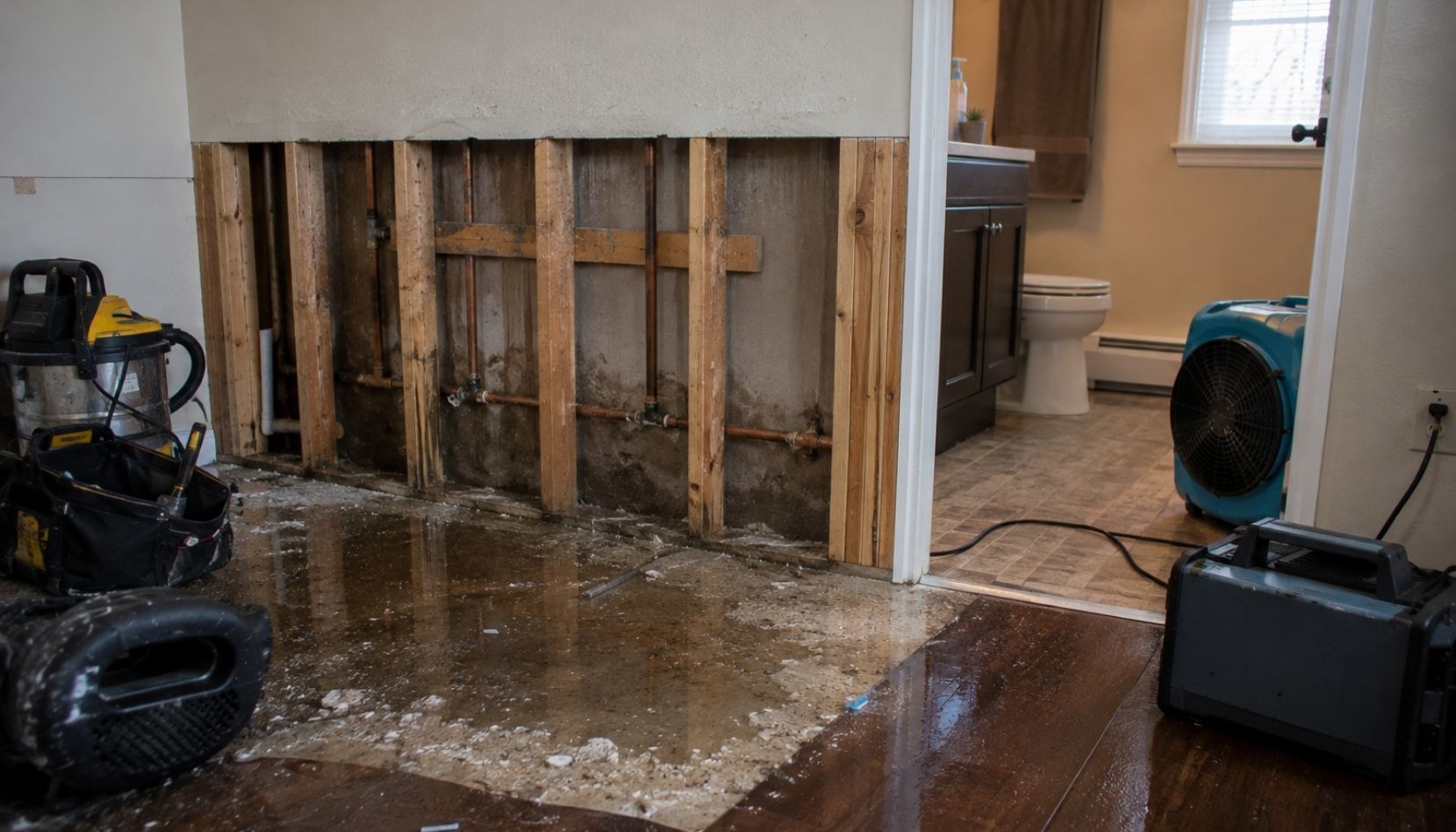
Common maintenance-related denials include mold from long-term moisture problems, pest damage (termites, carpenter ants, rodents), foundation settling, and rust or corrosion. The frustrating part is that these issues can cause tens of thousands of dollars in damage, but they develop slowly enough that insurers classify them as the homeowner's responsibility to prevent.
Does my insurance cover my stuff if it's stolen from my car?
Permanent Foundations and Insurance Eligibility
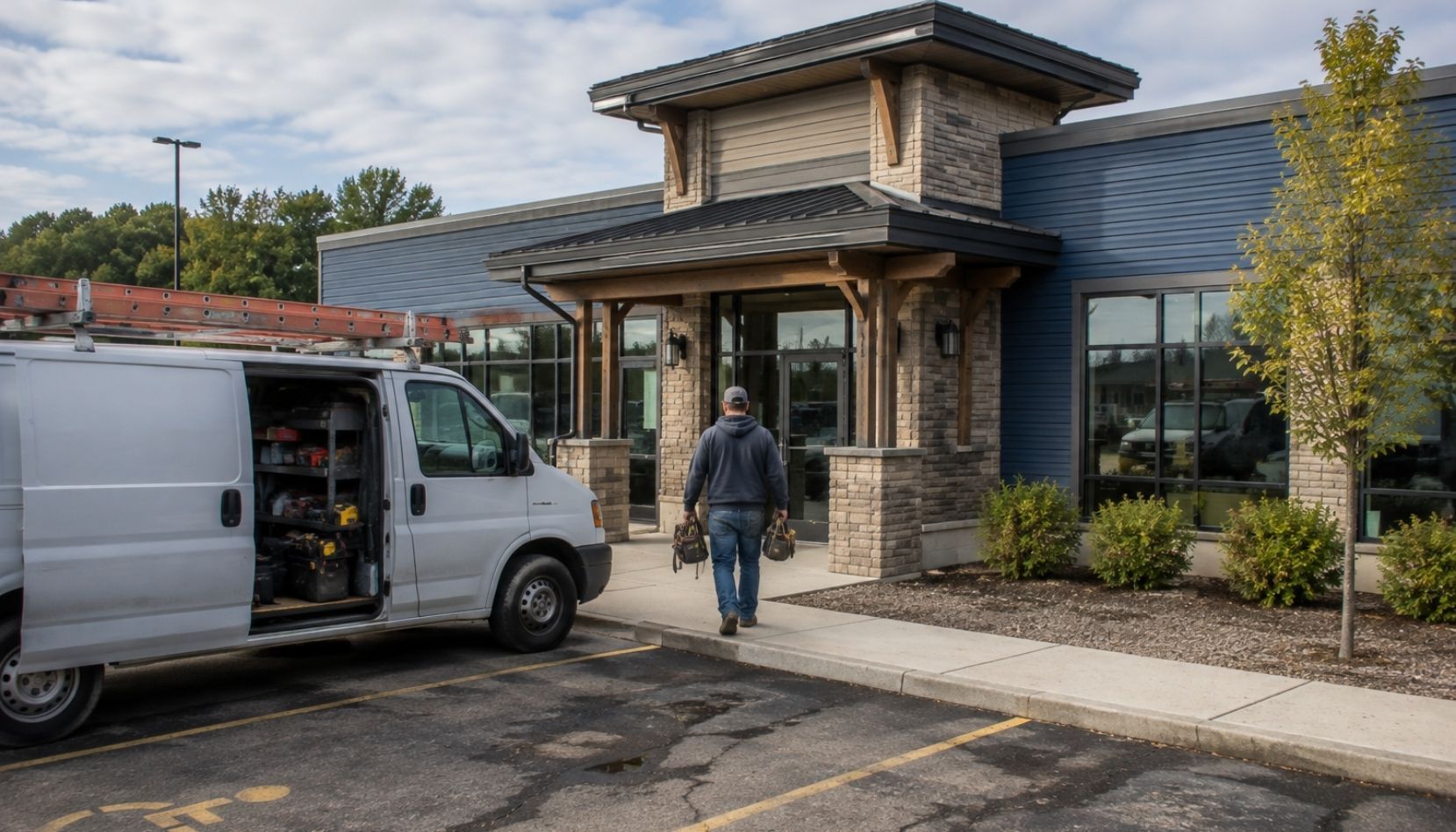
A single rooftop unit for a commercial building can cost $15,000 to $40,000. A walk-in cooler compressor might run $8,000. Now picture that equipment sitting on a flatbed truck during a Minnesota hailstorm, or staged on a job site over the weekend when someone backs a forklift into it. Who pays for that? If you don't have the right insurance, the answer is probably you.
HVAC contractor insurance is more than just a general liability policy. The work itself creates a unique set of risks: expensive equipment in transit, fire hazards from brazing copper lines, refrigerant exposure, and the ever-present possibility that a furnace you installed last year fails and floods a client's basement. Each of these scenarios requires specific coverage, and the standard policies most contractors carry leave real gaps.
This guide breaks down the coverage types that matter most for HVAC businesses: installation floaters, completed operations, hot work and refrigerant liability, and the risks that come with emergency service calls. Whether you're a two-person shop doing residential work in the Twin Cities or a commercial outfit handling rooftop units across the state, understanding these policies can be the difference between absorbing a loss and staying in business.
Protecting Equipment in Transit and On-Site with Installation Floaters
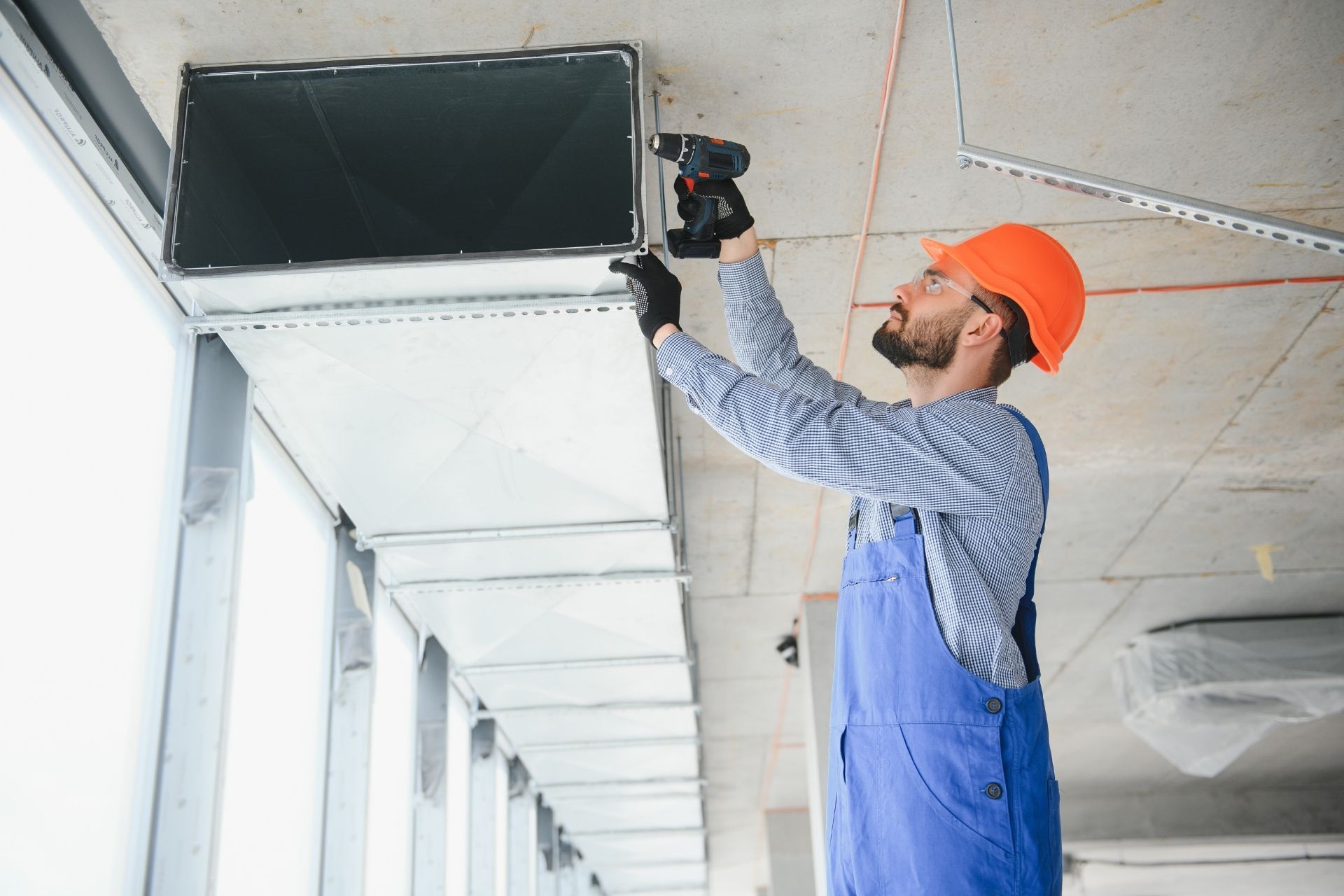
An installation floater is an inland marine policy designed to cover materials, equipment, and supplies while they're in transit to a job site or stored there before the customer formally accepts the finished work. For HVAC contractors, this is critical because of the sheer value of the equipment you handle daily. A pallet of ductwork, a condensing unit, or a commercial air handler sitting in your truck or staged at a construction site represents thousands of dollars of exposure.
The policy typically covers theft, vandalism, fire, weather damage, and accidental breakage from the moment equipment leaves your supplier until the client signs off on the completed installation. Some floaters also cover tools and small equipment your crew brings to the job. The cost is usually a fraction of the equipment's value: HVAC contractor insurance premiums vary based on your revenue, crew size, and the value of materials you carry, but an installation floater is one of the more affordable add-ons relative to the protection it provides.
Why Standard Property Insurance Falls Short During Transit
Your commercial property policy covers what's inside your shop or warehouse. Once equipment leaves that location, property coverage generally stops. Some contractors assume their auto policy will pick up the slack, but commercial auto covers the vehicle and liability for accidents, not the cargo. If a $12,000 heat pump falls off your truck on I-94, you're looking at an uninsured loss unless you have a floater or specific inland marine coverage in place.
The gap is especially dangerous for contractors who store equipment at job sites overnight or over weekends. Construction sites are high-theft environments, and standard property policies exclude coverage for materials at temporary locations. A floater fills this gap precisely.
Coverage Gaps Between Delivery and Client Acceptance
Here's a scenario that trips up a lot of contractors: you've installed a rooftop unit, but the building owner hasn't signed the final acceptance yet. Maybe they're waiting on an inspection, or the project manager hasn't done the walkthrough. During that window, the equipment is technically yours, and any damage to it is your problem.
An installation floater covers this gray period. Without it, you could be responsible for replacing or repairing equipment that's already been installed but not formally handed over. This is especially relevant for commercial jobs where acceptance can take weeks. The floater stays active until the client accepts the work or you hit the policy's time limit, whichever comes first.

Completed Operations: Protecting Your Business After the Install
Completed operations coverage is part of your commercial general liability (CGL) policy, but it deserves its own attention because it's where many HVAC claims actually originate. This coverage kicks in after you've finished a job and left the site. If your work causes property damage or bodily injury weeks, months, or even years later, completed operations responds.
For HVAC contractors, the exposure is significant. A furnace that overheats and starts a fire, a poorly sealed refrigerant line that leaks into an occupied space, or a condensate drain that backs up and causes water damage: these are all completed operations claims. General liability policies typically include this coverage, but limits and exclusions vary widely between carriers.
Furnace Failure and Property Damage Risks
Furnace installations carry some of the highest completed operations risk in the HVAC trade. A cracked heat exchanger can leak carbon monoxide. A miswired control board can cause a unit to run continuously until it overheats. These failures don't always show up immediately: they might surface during the first cold snap, months after the install.
One claim pattern I've seen repeatedly involves improper venting on high-efficiency furnaces. The PVC exhaust gets routed too close to a soffit intake, and combustion gases get pulled back into the building. The resulting property damage and health claims can easily exceed $50,000. Your completed operations coverage handles the defense costs and any settlement, but only if your policy limits are adequate for the type of work you're doing.
Liability for Rooftop Unit Structural Impacts
The global HVAC rooftop unit market is projected to reach $52.3 billion in 2026, with commercial installations driving over 60% of that demand. That means more contractors are handling heavy rooftop equipment, and the structural liability that comes with it.
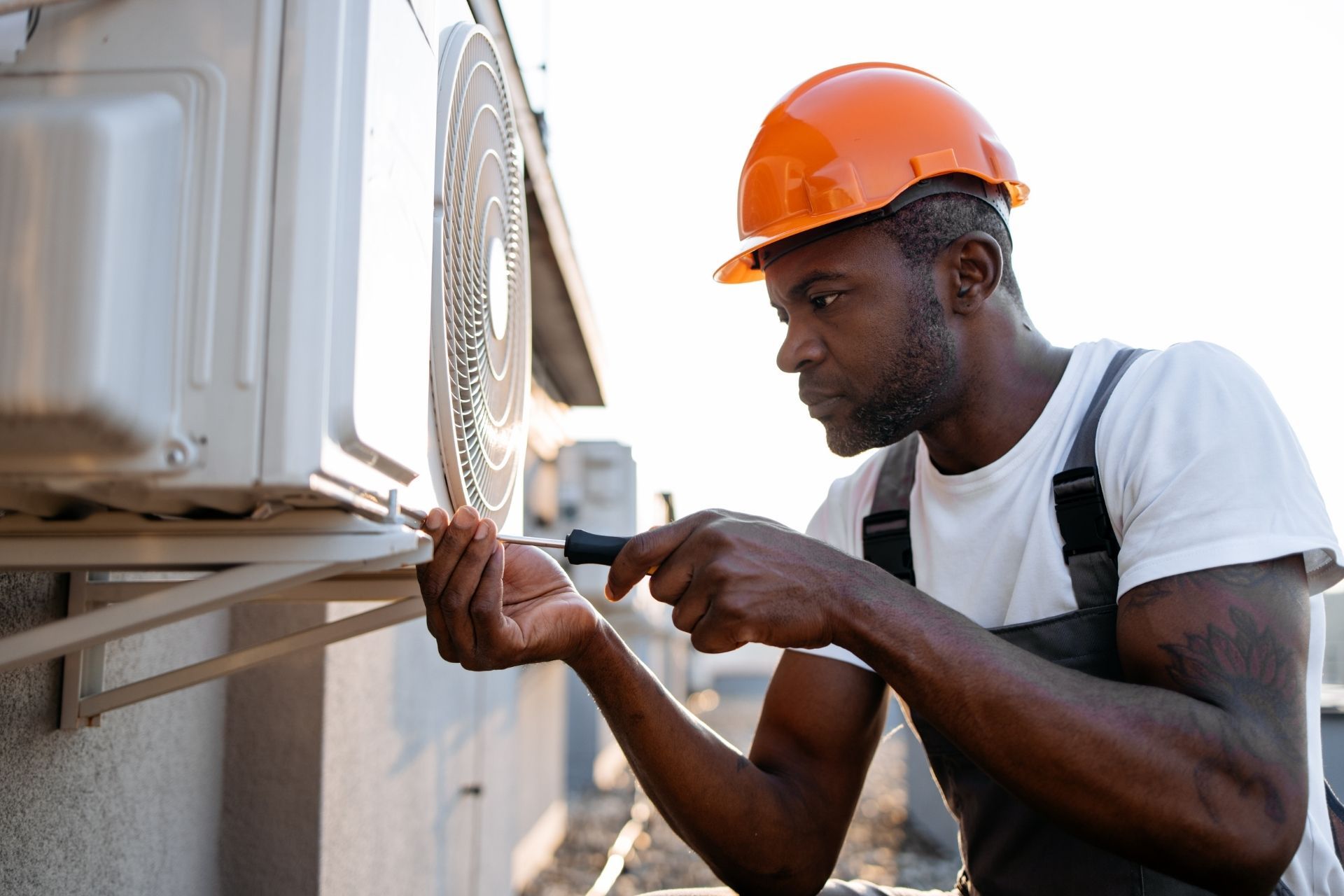
A rooftop unit that's improperly mounted can cause roof membrane damage, water intrusion, or in extreme cases, structural failure. If a curb adapter isn't flashed correctly and the building owner discovers a leak six months later, you're facing a completed operations claim that could include not just the repair but the cost of interior damage to the floors below. Contractors working on commercial rooftop installations should carry completed operations limits of at least $1 million per occurrence, and many general contractors now require $2 million as a condition of subcontracting.

Managing High-Risk HVAC Exposures: Hot Work and Refrigerants
Two hazards define the HVAC trade more than almost any other construction specialty: open flame work and refrigerant handling. Both create liability exposure that goes beyond standard general liability, and both require specific risk management practices to keep your insurance costs reasonable.
Welding and Brazing: Fire Hazards and Hot Work Permits
Brazing copper refrigerant lines is routine HVAC work, but it's also one of the leading causes of construction fires. Hot work, including brazing, soldering, and welding, accounts for a significant percentage of workplace fires each year, and insurance carriers pay close attention to how contractors manage this risk.
Your insurer will likely ask whether you use hot work permits, fire watches, and fire blankets on every job. If you don't, expect higher premiums or outright coverage denials. A solid hot work program includes:
- Written hot work permits for every brazing or soldering operation
- A designated fire watch for at least 30 minutes after the work ends
- Fire extinguishers within 20 feet of the work area
- Fire-resistant blankets covering any combustible materials nearby
Construction job site hot work safety programs aren't just good practice: they're often a condition of your insurance coverage. Skip the fire watch and your carrier may deny a claim.
Refrigerant Leaks and Environmental Liability
Refrigerant handling creates a different kind of exposure. EPA regulations under Section 608 require proper recovery, recycling, and disposal of refrigerants, and violations can result in fines exceeding $44,539 per day. But the insurance angle goes beyond regulatory fines.
A refrigerant leak in an occupied commercial space can trigger evacuation, business interruption claims, and potential bodily injury claims from occupants exposed to the chemicals. Your general liability policy may cover some of this, but environmental liability is often excluded or sublimited. Contractors handling large volumes of refrigerant, especially older R-22 systems being decommissioned, should discuss pollution liability coverage with their agent. An independent agency like Variant Insurance Group can compare environmental endorsements across multiple carriers to find the right fit for your operation.
Comparing HVAC Coverage Types
Understanding how different policies interact is half the battle. Here's a quick reference showing where installation floaters and general liability overlap, and where they don't.
Comparison Table: Installation Floater vs. General Liability
| Installation Floater | General Liability (with Completed Ops) | |
|---|---|---|
| Covers equipment in transit | Yes | No |
| Covers materials at job site | Yes, before acceptance | No |
| Covers damage from your finished work | No | Yes |
| Covers third-party bodily injury | No | Yes |
| Covers theft of staged equipment | Yes | No |
| Covers fire from brazing/welding | Only damage to your materials | Damage to others' property |
| Typical cost range | $500-$3,000/year | $1,200-$5,000+/year |
| Required by GCs for subcontract work | Sometimes | Almost always |
The key takeaway: these policies aren't interchangeable. You need both. An installation floater protects your stuff; general liability protects you from claims by others.
Common Questions About HVAC Insurance
Does my general liability cover emergency service calls at night? Yes, GL covers bodily injury and property damage claims arising from your work regardless of when you perform it. That said, emergency calls carry higher risk because technicians are working under pressure, often in unfamiliar environments. Some contractors carry higher limits specifically because of emergency work exposure.
How much does HVAC contractor insurance actually cost? It depends on your revenue, number of employees, types of work, and claims history. A small residential shop might pay $2,500 to $5,000 per year for a basic GL policy. Commercial contractors with hot work exposure and larger crews can pay $8,000 to $15,000 or more.
Do I need separate pollution coverage for refrigerant work? Standard GL policies often exclude pollution events. If you handle refrigerants regularly, a pollution liability endorsement or standalone policy is worth the investment. The cost is usually $500 to $2,000 annually.
What happens if a client's property is damaged during an emergency call? Your general liability's premises and operations coverage responds to damage you cause while actively working. If a technician accidentally floods a mechanical room while repairing a chiller, that's a covered claim under most GL policies.
Should I get an installation floater even if I mostly do service work? If you carry any parts or equipment to job sites, yes. Even a few thousand dollars in compressors and motors sitting in your van represents uninsured exposure without a floater.
Are emergency service calls driving more liability claims in 2026? Call patterns have shifted, but emergency work still generates a disproportionate share of claims because of the time pressure and unfamiliar conditions involved.
What This Means for Your Business
HVAC work creates a layered set of insurance needs that a single policy can't address. Your installation floater protects equipment before the client takes ownership. Your completed operations coverage handles claims that surface after you've left the job. Hot work and refrigerant endorsements address the specific hazards that define this trade. And your general liability ties it all together for third-party claims, including those late-night emergency calls.
The mistake most contractors make is buying the minimum coverage to satisfy a general contractor's certificate request without thinking about the actual risks on their jobs. A $25,000 rooftop unit sitting unprotected on a job site, or a furnace claim that surfaces two winters after installation: these are real scenarios that happen every year in Minnesota.
Working with an independent agency like Variant Insurance Group means you're not locked into one carrier's version of HVAC coverage. Your agent can compare installation floater options, completed operations limits, and environmental endorsements across multiple insurers to build a program that actually matches the work you do. That's the kind of review that pays for itself the first time you file a claim.
On this page
Variant Insurance Group is a licensed independent insurance agency serving Minnesota families and businesses.
From our office in Maple Plain, our team works with many of Minnesota's top-rated carriers so your home, auto, life, and business coverage fits your real needs. We serve families and businesses across Minnesota.

About the Author
Charlie Brookins
Founder & Agent/Owner, Variant Insurance Group
I'm Charlie Brookins, founder and owner of Variant Insurance Group. I built this agency on one idea: local people and businesses deserve honest advice and coverage that fits their real life. As an independent agent in Maple Plain, I shop many of Minnesota's top-rated carriers to find the right protection for your home, auto, life, and business, and I stay with you through every claim and change. My goal is simple: give you straight answers and coverage you can trust.
One agent, many carriers
We represent many top-rated insurance companies. You get more coverage choices, better pricing, and one point of contact for every policy you own.
01
We shop as your life changes
04
New home, new vehicle, or a growing business? We re-shop your coverage across carriers so your protection keeps pace and your rate stays fair.

Personal Insurance
Coverage for your home, auto, and life
Protection for the people and things that matter most, shopped across Minnesota's top-rated carriers.
Auto Insurance
Coverage for your car, truck, or SUV. We compare carriers to protect you on the road at a fair price.
Home Insurance
Protection for your house, your belongings, and your liability. We match you with the right coverage for your home.
Life Insurance
Support for the people who depend on you. We help you compare term and whole life options that fit your budget.
Umbrella Insurance
Extra liability protection above your home and auto limits. A strong safety net for your family and your assets.
Renters Insurance
Coverage for your belongings and liability in a rented home or apartment. Affordable protection with quick setup.
Recreational Vehicle Insurance
Coverage for boats, motorcycles, ATVs, and campers. Enjoy the season with the right protection in place.
One agent, many carriers
We represent many top-rated insurance companies. You get more coverage choices, better pricing, and one point of contact for every policy you own.
01
We shop as your life changes
04
New home, new vehicle, or a growing business? We re-shop your coverage across carriers so your protection keeps pace and your rate stays fair.

Business Insurance
Coverage that protects what you have built
Liability, property, auto, and more, shopped across Minnesota's top-rated commercial carriers.
Workers Compensation
Coverage for employee injuries and lost wages. We help Minnesota employers meet state rules and protect their crew.
Commercial General Liability
Protection against third-party injury and property damage claims. Core coverage for most Minnesota businesses.
Commercial Property
Coverage for your building, equipment, and inventory. We protect the physical assets your business depends on.
Commercial Auto
Coverage for vehicles your business owns and drives. We match trucks, vans, and fleets with the right protection.
Commercial Umbrella
Extra liability limits above your other business policies. Added protection for larger claims and contracts.
Commercial Professional Liability
Coverage for your building, equipment, and inventory. We protect the physical assets your business depends on.
One agent, many carriers
We represent many top-rated insurance companies. You get more coverage choices, better pricing, and one point of contact for every policy you own.
01
We shop as your life changes
04
New home, new vehicle, or a growing business? We re-shop your coverage across carriers so your protection keeps pace and your rate stays fair.
Industries we serve
Coverage built for your industry

Contractor Insurance
Coverage for Minnesota contractors and the trades — general liability, tools and equipment, property, and workers comp. Protection for the job site and the crew.

Apartment Complex Insurance
Your income depends on the housing you provide, and wind, fire, or flood can interrupt it. Apartment Complex Insurance helps protect your property, your liability if a tenant or worker is injured, and your personal assets.

Brewery Insurance
You have pictured this brewery for years. Whether you just make great beer or serve food and merchandise too, Variant helps Minnesota breweries find the right coverage, from startups to major production facilities.


Our carrier bench
We shop these carriers so you don't have to


Plus specialty market access through Burns & Wilcox, CRC Group, Amwins, RPS and US Assure.
One agent, many carriers
We represent many top-rated insurance companies. You get more coverage choices, better pricing, and one point of contact for every policy you own.
01
We shop as your life changes
04
New home, new vehicle, or a growing business? We re-shop your coverage across carriers so your protection keeps pace and your rate stays fair.
Four steps, one real person from start to finish.
30 seconds — name, email, phone. Or just call. We’ll ask the right questions from there.
4
We stay in your corner
In their words
What our clients say
Frequently asked questions
Your insurance questions, answered
These are the questions Minnesota families and businesses ask us most. If you don't see yours here, call or message us — a real local agent is glad to help.
What does an independent insurance agency do?
An independent agency represents many insurance companies instead of just one. We shop your coverage across those carriers and compare protection and price for you.
That means more choices and one local team for every policy. You get honest guidance and a single point of contact you can trust.
How do you find me the best rate?
We start with your details and what you need to protect. Then we compare quotes from many top-rated carriers side by side.
We explain the coverage and the cost in plain terms, so the choice is clear. As your life changes, we re-shop your policies to keep your rate fair.
Can you handle both my personal and business insurance
Yes. We cover your home, auto, and life along with your workers comp, commercial property, and commercial auto.
One team manages it all, so you make one call for every policy. That saves you time and keeps your coverage consistent.
What should I do if I need to file a claim?
Call us or contact your carrier as soon as it is safe to do so. Gather photos, notes, and any details about what happened.
Our local team walks you through each step and follows up with the carrier. We stay in your corner until the claim is resolved.
Which areas do you serve?
Our office is in Maple Plain, Minnesota, and we serve families and businesses across the state. You can visit us, call, or email.
We know the local area and the coverage Minnesota requires. [CONFIRM: list any additional licensed states.]
How do I get started?
Request a quote online or call 763-333-2533. Share a few details and we take it from there.
We shop your coverage, compare your options, and explain what fits. There is no pressure and no obligation to buy.
One agent, many carriers
We represent many top-rated insurance companies. You get more coverage choices, better pricing, and one point of contact for every policy you own.
01
We shop as your life changes
04
New home, new vehicle, or a growing business? We re-shop your coverage across carriers so your protection keeps pace and your rate stays fair.

Named an Auto-Owners Sapphire Agency — a distinction reserved for a select group of the carrier's top-performing independent agencies.
From our blog
Insurance tips for Minnesota
Practical guides on coverage for your home, auto, and business.