



We compare Minnesota's top-rated insurance companies to find you strong coverage at a fair price. One local team handles your personal and business insurance.

Condominium Association Insurance


Variant Insurance Group is a licensed independent insurance agency serving Minnesota families and businesses.

From our office in Maple Plain, our team works with many of Minnesota's top-rated carriers so your home, auto, life, and business coverage fits your real needs. We serve families and businesses across Minnesota.

04

The Role of Professional Appraisals and Documentation

Your policy is designed to cover sudden and accidental losses, not gradual deterioration. A roof that leaks because a windstorm ripped off shingles? Covered. A roof that leaks because you haven't replaced it in 25 years and the shingles are crumbling? That's maintenance, and your insurer will deny it.


Common maintenance-related denials include mold from long-term moisture problems, pest damage (termites, carpenter ants, rodents), foundation settling, and rust or corrosion. The frustrating part is that these issues can cause tens of thousands of dollars in damage, but they develop slowly enough that insurers classify them as the homeowner's responsibility to prevent.

Does my insurance cover my stuff if it's stolen from my car?

Permanent Foundations and Insurance Eligibility

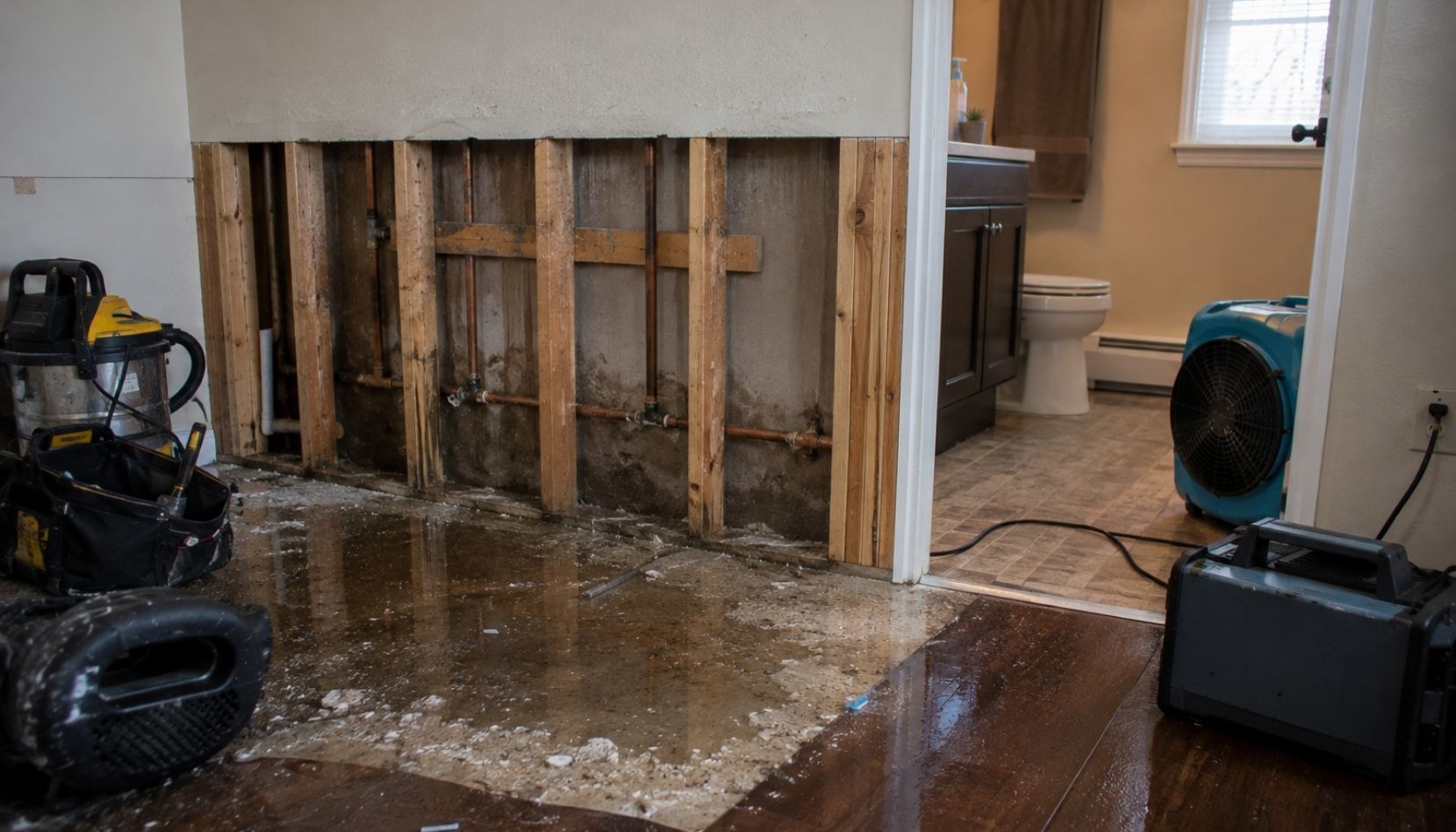
A pipe bursts on the fourth floor of your condo building at 2 a.m. Water cascades through three units below, destroying drywall, cabinets, and flooring. The association's master policy kicks in, but when the adjuster arrives, half the damage isn't covered because nobody on the board understood which type of master policy they actually purchased. This exact scenario plays out in condo communities across Minnesota every year, and the financial fallout can be devastating for both the association and individual unit owners.


Understanding how condo association insurance works: the differences between bare walls, single entity, and all-in master policies, how loss assessments hit unit owners, what board liability actually looks like, fidelity bond requirements, and the notification duties boards owe to owners: is not optional knowledge for anyone serving on a board or living in a condo. Community association insurance premiums have been climbing sharply, with 91% of associations reporting increases and 17% of those seeing hikes exceeding 100%. Getting the wrong coverage type doesn't just waste money. It creates gaps that can bankrupt an association or leave individual owners holding six-figure repair bills.


This is the stuff that matters before a claim happens, not after.

Understanding Master Policy Structures: Bare Walls vs. Single Entity vs. All-In

Every condo association carries a master insurance policy that covers the building's common elements: the roof, exterior walls, hallways, elevators, and shared mechanical systems. Where things get complicated, and where most confusion lives, is in how far that coverage extends into individual units. The three master policy forms differ dramatically in what they protect, and your association's governing documents typically dictate which one you need.


The choice between these three forms determines who pays for what after a covered loss. It also directly impacts what kind of individual HO-6 policy each unit owner needs to carry. A mismatch between the master policy type and unit owners' individual coverage is one of the most common and expensive mistakes in condo insurance.

Bare Walls Coverage: The Basic Framework

Bare walls coverage is exactly what it sounds like: the master policy covers the building's structure down to the bare studs, concrete, and drywall. Everything inside the unit, including flooring, cabinetry, plumbing fixtures, appliances, and any upgrades or improvements, is the unit owner's responsibility. Think of it as the association insuring the shell and nothing more.


This is the most common form in older Minnesota condo associations and the least expensive master policy option. The tradeoff is clear: unit owners must carry robust HO-6 policies with high dwelling coverage (Coverage A) to protect everything from original fixtures to renovations. If a unit owner skimps on their individual policy under a bare walls master, they're exposed to tens of thousands in uninsured repairs after a fire or water loss.

Single Entity Coverage: Standard Original Finishes

Single entity coverage extends the master policy's protection beyond the bare structure to include the original fixtures, finishes, and installations as they existed when the unit was first built or converted. Original cabinetry, countertops, flooring, and built-in appliances are all covered under the association's policy.


The catch is that any upgrades or improvements a unit owner makes after purchase are not covered by the master policy. If you replaced your original laminate countertops with granite and a fire destroys them, the association's single entity policy pays for laminate replacements. You'd need your own HO-6 policy to cover the difference. This form strikes a middle ground that works well for many associations, though boards need to clearly communicate to owners what "original spec" means for their specific building.

All-In Coverage: Maximum Protection for Improvements

All-in master policies provide the broadest protection, covering the building structure, original finishes, and all improvements or betterments made by unit owners. If you installed custom tile, upgraded your kitchen, or added built-in shelving, the association's master policy covers it all.


This sounds ideal, but it comes with significantly higher premiums for the association, and those costs get passed to unit owners through assessments. There's also a practical challenge: the association needs accurate, updated information about every unit's improvements to maintain adequate coverage limits. Many boards struggle to track this, which can lead to underinsurance even with an all-in policy. Associations considering this form should budget carefully for rising condo insurance costs and build in regular coverage reviews.

Master Policy Comparison: What is Actually Covered?

Choosing between these three forms isn't just a board-level decision: it directly affects every unit owner's wallet and insurance needs. The table below breaks down what falls under the master policy versus what unit owners must insure themselves.

Comparison Table: Coverage Scope by Policy Type

Component Bare Walls Single Entity All-In
Roof, exterior walls, foundation Association Association Association
Common hallways, lobbies, elevators Association Association Association
Interior drywall and studs Association Association Association
Original flooring, cabinets, fixtures Unit owner Association Association
Owner-made upgrades and improvements Unit owner Unit owner Association
Personal property (furniture, clothes) Unit owner Unit owner Unit owner
Typical master policy premium Lowest Moderate Highest
Required HO-6 dwelling coverage High Moderate Low

One thing to keep in mind: personal property is never covered by any master policy form. Every unit owner needs an HO-6 policy regardless of which master policy the association carries. The average cost of condo insurance varies by state and building, but skipping it is never a smart bet.

Managing Risk for the Association: Board Liability and Fidelity Bonds

Running a condo association means making financial decisions that affect every owner in the building. Board members approve budgets, hire contractors, manage reserve funds, and set policy. That authority creates real liability exposure, and two types of coverage address it directly.

Directors and Officers (D&O) Liability Explained

D&O liability insurance protects board members personally when they're sued for decisions made in their capacity as directors. This isn't theoretical: boards get sued over special assessment disputes, maintenance decisions, vendor contracts, and alleged discrimination in rule enforcement. Without D&O coverage, individual board members could be personally liable for legal defense costs and judgments.


Most D&O policies cover defense costs, settlements, and judgments arising from alleged wrongful acts in board governance. They typically exclude fraud, criminal acts, and personal profit. Minnesota associations should carry at least $1 million in D&O coverage, and larger associations with significant budgets or ongoing construction projects should consider higher limits. An independent agency like Variant Insurance Group can compare D&O policies across multiple carriers to find the right balance of coverage and cost for your specific association size and risk profile.

Fidelity Bonds: Protecting Against Employee or Board Dishonesty

Fidelity bonds (sometimes called crime coverage) protect the association's funds against theft or embezzlement by board members, property managers, or employees who handle association money. Most governing documents and many state laws require associations to carry fidelity bond coverage equal to at least the total of all association bank accounts, reserves, and assessments receivable.


A common rule of thumb: the bond amount should equal at least three months of assessments plus reserves. Some lenders, particularly those following Fannie Mae and Freddie Mac guidelines, require specific minimums for associations seeking to qualify for conventional mortgage financing. Boards that self-manage or use small management companies should pay particular attention here, since fewer internal controls mean higher theft risk.

Loss Assessment Exposure: The Financial Gap for Unit Owners

Here's where condo insurance gets personal for individual owners. When the association's master policy doesn't fully cover a loss, whether due to a high deductible, insufficient limits, or an uncovered peril, the board can levy a special assessment against all unit owners to cover the shortfall. These assessments can run from a few hundred dollars to $20,000 or more per unit after a major event like a building fire or catastrophic water damage.


Standard HO-6 policies include loss assessment coverage, but the default amount is often just $1,000, which is laughably inadequate for a serious claim. Most insurance professionals recommend unit owners carry at least $25,000 to $50,000 in loss assessment coverage. The additional premium is typically minimal: often just a few dollars per month for a significant increase in protection.


This gap is especially concerning as insurance costs continue rising across the market, pushing some associations to increase deductibles to $25,000 or $50,000 to keep premiums manageable. When that deductible applies to a loss originating in your unit, you could be personally responsible for the full deductible amount through a special assessment. Loss assessment coverage on your HO-6 is the safety net that catches that cost.


Working with an independent agency like Variant Insurance Group, which shops multiple carriers for both association and individual unit owner policies, can help ensure there are no gaps between what the master policy covers and what each owner's HO-6 picks up.

Common Questions About Condo Association Insurance

FAQ: Conversational Answers for Board Members and Owners

How do I find out which master policy type my association carries? Request a copy of the association's insurance certificate or declarations page from the board or property manager. Your governing documents (CC&Rs or bylaws) should also specify the required coverage form.


Does the association's master policy cover my personal belongings? No. Personal property like furniture, electronics, and clothing is never covered by any master policy form. You need your own HO-6 condo insurance policy for that.


Who pays the master policy deductible when damage starts in my unit? This depends on your association's governing documents. Many associations pass the master policy deductible to the unit owner where the loss originated. Check your CC&Rs and make sure your HO-6 policy includes enough loss assessment coverage to handle it.


Is the board required to notify owners about insurance changes? Yes, in most cases. Many states require boards to notify unit owners when master policy coverage changes, deductibles increase, or coverage is reduced. Some states have specific notification requirements that boards must follow when coverage terms change. Minnesota boards should review their governing documents and consult legal counsel to understand their specific notification duties.


How much loss assessment coverage should I carry on my HO-6? At minimum $25,000, though $50,000 is better for associations with high deductibles or older buildings prone to large claims. The cost difference is usually negligible.


Can board members be personally sued for insurance decisions? Yes, which is exactly why D&O liability coverage exists. Without it, board members could face personal financial exposure for decisions about coverage levels, carrier selection, or claims handling.

Protecting Your Community Assets

Getting condo association insurance right isn't a one-time task. It requires annual reviews of coverage forms, deductible levels, fidelity bond amounts, and loss assessment exposure as building values change and market conditions shift. The difference between bare walls, single entity, and all-in coverage determines who carries the financial burden after a loss, and every unit owner needs to understand where the master policy stops and their personal responsibility begins.


Board members should prioritize clear communication with unit owners about what the master policy covers, what it doesn't, and what individual owners need to carry on their own HO-6 policies. If your association hasn't reviewed its master policy in the past 12 months, or if you're a unit owner unsure whether your HO-6 coverage aligns with your association's master policy type, reach out to Variant Insurance Group. As an independent agency representing multiple carriers, they can review both sides of the equation and identify gaps before a 2 a.m. pipe burst turns into a financial disaster.

By: Charlie Brookins

Agent/Owner, Variant Insurance Group

Variant Insurance Group is a licensed independent insurance agency serving Minnesota families and businesses.

From our office in Maple Plain, our team works with many of Minnesota's top-rated carriers so your home, auto, life, and business coverage fits your real needs. We serve families and businesses across Minnesota.

About the Author

Charlie Brookins

Founder & Agent/Owner, Variant Insurance Group

I'm Charlie Brookins, founder and owner of Variant Insurance Group. I built this agency on one idea: local people and businesses deserve honest advice and coverage that fits their real life. As an independent agent in Maple Plain, I shop many of Minnesota's top-rated carriers to find the right protection for your home, auto, life, and business, and I stay with you through every claim and change. My goal is simple: give you straight answers and coverage you can trust.

One agent, many carriers

We represent many top-rated insurance companies. You get more coverage choices, better pricing, and one point of contact for every policy you own.

01

We shop as your life changes

04

New home, new vehicle, or a growing business? We re-shop your coverage across carriers so your protection keeps pace and your rate stays fair.

Personal Insurance

Coverage for your home, auto, and life

Protection for the people and things that matter most, shopped across Minnesota's top-rated carriers.

Auto Insurance

Coverage for your car, truck, or SUV. We compare carriers to protect you on the road at a fair price.

Home Insurance

Protection for your house, your belongings, and your liability. We match you with the right coverage for your home.

Life Insurance

Support for the people who depend on you. We help you compare term and whole life options that fit your budget.

Umbrella Insurance

Extra liability protection above your home and auto limits. A strong safety net for your family and your assets.

Renters Insurance

Coverage for your belongings and liability in a rented home or apartment. Affordable protection with quick setup.

Recreational Vehicle Insurance

Coverage for boats, motorcycles, ATVs, and campers. Enjoy the season with the right protection in place.

One agent, many carriers

We represent many top-rated insurance companies. You get more coverage choices, better pricing, and one point of contact for every policy you own.

01

We shop as your life changes

04

New home, new vehicle, or a growing business? We re-shop your coverage across carriers so your protection keeps pace and your rate stays fair.

Business Insurance

Coverage that protects what you have built

Liability, property, auto, and more, shopped across Minnesota's top-rated commercial carriers.

One agent, many carriers

We represent many top-rated insurance companies. You get more coverage choices, better pricing, and one point of contact for every policy you own.

01

We shop as your life changes

04

New home, new vehicle, or a growing business? We re-shop your coverage across carriers so your protection keeps pace and your rate stays fair.

Industries we serve

Coverage built for your industry

Contractor Insurance

Coverage for Minnesota contractors and the trades — general liability, tools and equipment, property, and workers comp. Protection for the job site and the crew.

Apartment Complex Insurance

Your income depends on the housing you provide, and wind, fire, or flood can interrupt it. Apartment Complex Insurance helps protect your property, your liability if a tenant or worker is injured, and your personal assets.

Brewery Insurance

You have pictured this brewery for years. Whether you just make great beer or serve food and merchandise too, Variant helps Minnesota breweries find the right coverage, from startups to major production facilities.

Our carrier bench

We shop these carriers so you don't have to

Plus specialty market access through Burns & Wilcox, CRC Group, Amwins, RPS and US Assure.

One agent, many carriers

We represent many top-rated insurance companies. You get more coverage choices, better pricing, and one point of contact for every policy you own.

01

We shop as your life changes

04

New home, new vehicle, or a growing business? We re-shop your coverage across carriers so your protection keeps pace and your rate stays fair.

Four steps, one real person from start to finish.

30 seconds — name, email, phone. Or just call. We’ll ask the right questions from there.

4

We stay in your corner

See all the industries we cover →

In their words

What our clients say

Frequently asked questions

Your insurance questions, answered

These are the questions Minnesota families and businesses ask us most. If you don't see yours here, call or message us — a real local agent is glad to help.

  • What does an independent insurance agency do?

    An independent agency represents many insurance companies instead of just one. We shop your coverage across those carriers and compare protection and price for you.


    That means more choices and one local team for every policy. You get honest guidance and a single point of contact you can trust.

  • How do you find me the best rate?

    We start with your details and what you need to protect. Then we compare quotes from many top-rated carriers side by side.


    We explain the coverage and the cost in plain terms, so the choice is clear. As your life changes, we re-shop your policies to keep your rate fair.

  • Can you handle both my personal and business insurance

    Yes. We cover your home, auto, and life along with your workers comp, commercial property, and commercial auto.


    One team manages it all, so you make one call for every policy. That saves you time and keeps your coverage consistent.

  • What should I do if I need to file a claim?

    Call us or contact your carrier as soon as it is safe to do so. Gather photos, notes, and any details about what happened.


    Our local team walks you through each step and follows up with the carrier. We stay in your corner until the claim is resolved.

  • Which areas do you serve?

    Our office is in Maple Plain, Minnesota, and we serve families and businesses across the state. You can visit us, call, or email.


    We know the local area and the coverage Minnesota requires. [CONFIRM: list any additional licensed states.]

  • How do I get started?

    Request a quote online or call 763-333-2533. Share a few details and we take it from there.


    We shop your coverage, compare your options, and explain what fits. There is no pressure and no obligation to buy.

One agent, many carriers

We represent many top-rated insurance companies. You get more coverage choices, better pricing, and one point of contact for every policy you own.

01

We shop as your life changes

04

New home, new vehicle, or a growing business? We re-shop your coverage across carriers so your protection keeps pace and your rate stays fair.

See all the industries we cover →

Named an Auto-Owners Sapphire Agency — a distinction reserved for a select group of the carrier's top-performing independent agencies.

From our blog

Insurance tips for Minnesota

Practical guides on coverage for your home, auto, and business.

28 August 2026
Learn what an HOA master policy covers, bare walls vs. all-in coverage, where HO-6 insurance applies, and how loss assessments affect owners.
28 August 2026
Learn what a Business Owners Policy covers, including property, liability, business income, eligibility rules, and common coverage gaps.
28 August 2026
Learn who pays when pipes freeze in a rental, how landlord and renters insurance split losses, and when heat maintenance clauses can affect coverage.

763-333-2533

Let's get started

Ready for clearly different insurance?

Get a free quote and see how much a local, independent agency can do for you. No pressure, no obligation.

763-333-2533

info@variantinsurance.com

5159 Main Street East #200, Maple Plain, MN 55359

 Monday–Friday, 8:30am–5:00pm