

We compare Minnesota's top-rated insurance companies to find you strong coverage at a fair price. One local team handles your personal and business insurance.
Variant Insurance Group is a licensed independent insurance agency serving Minnesota families and businesses.
From our office in Maple Plain, our team works with many of Minnesota's top-rated carriers so your home, auto, life, and business coverage fits your real needs. We serve families and businesses across Minnesota.
04
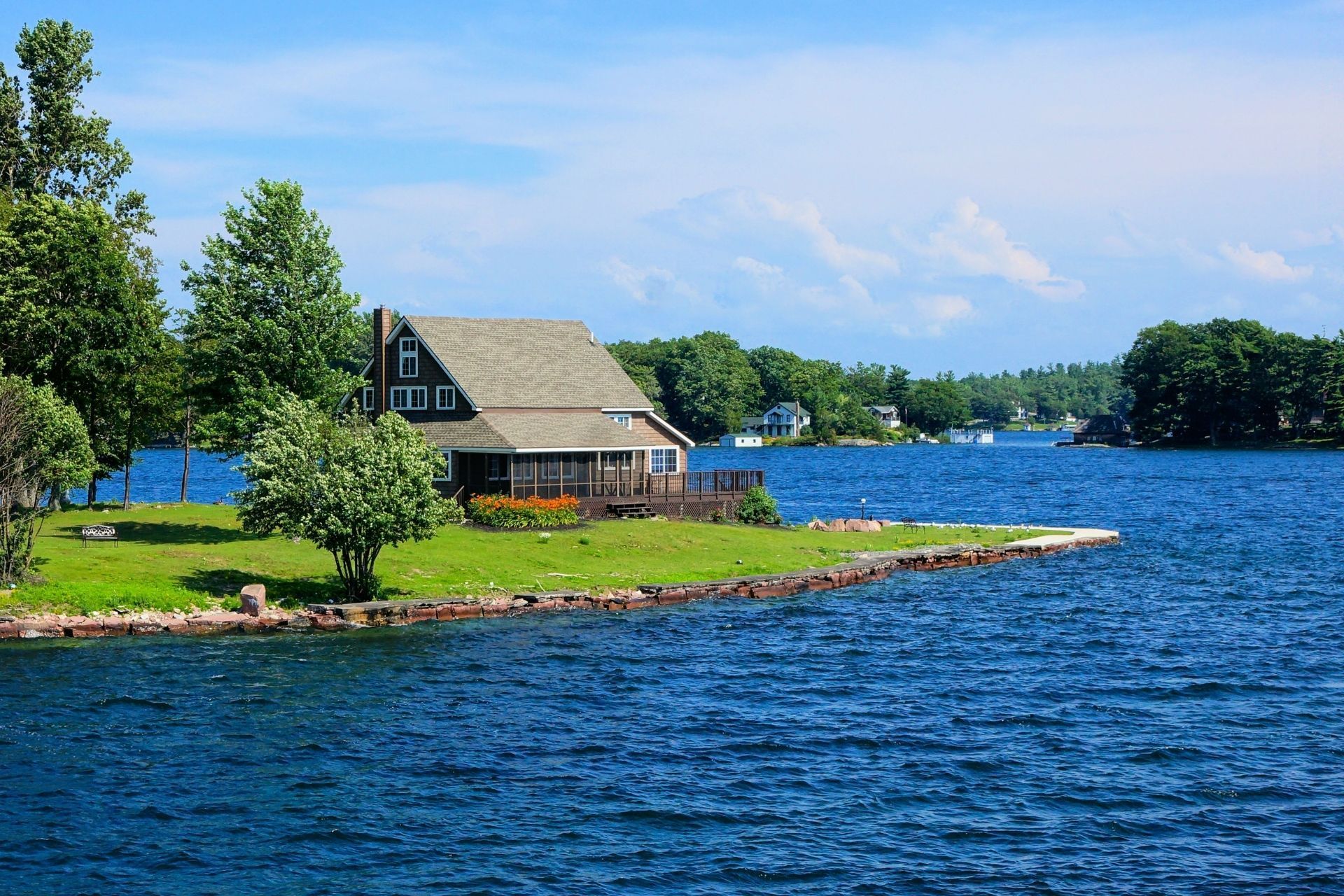
Owning a lake home in Minnesota is one of those things that sounds idyllic until you try to insure it. The underwriting process for seasonal, second, and waterfront properties looks almost nothing like what you went through for your primary residence. Insurers see these homes differently: they're vacant for long stretches, they sit near water that can flood or erode the shoreline, and they often include structures like docks and boathouses that standard policies weren't designed to cover. Home insurance premiums have risen a cumulative 46.8% nationally between 2020 and 2025, and lakefront properties have absorbed some of the steepest increases due to their unique risk profile.
If you own or are considering buying a lakefront property, understanding how lake home insurance works - from vacancy clauses to erosion exclusions to short-term rental complications - can save you thousands of dollars and prevent ugly surprises at claim time. The differences between a standard homeowners policy and a properly structured lakefront policy are significant, and getting them wrong can leave you exposed in exactly the situations where you need coverage most. Here's what you actually need to know, broken down by the specific issues that trip up lakefront property owners the most.
Understanding Lake Home Underwriting: Primary vs. Seasonal Properties
The single biggest factor in how your lake home gets underwritten is how you use it. Insurers draw sharp lines between primary residences, secondary homes, and seasonal properties, and each classification carries different risk assumptions that directly affect your premium and coverage terms.
A primary residence is where you live most of the year. A secondary home is one you use regularly but not as your main address. A seasonal property is occupied only during certain months, often sitting empty through Minnesota's long winters. The less time you spend in the home, the higher the perceived risk, because unoccupied properties are more vulnerable to break-ins, undetected water damage, burst pipes, and vandalism.
Occupancy Definitions and Risk Ratings
Most carriers define occupancy thresholds in specific terms. A home occupied fewer than six months per year is typically classified as seasonal, which can mean premium surcharges of 20-40% compared to a primary residence. Some insurers require you to document your occupancy patterns during the application process, and misrepresenting your usage can void your policy entirely.
Risk ratings also factor in the property's distance from fire stations, whether it's on a private road that might not get plowed in winter, and the availability of municipal water versus a well system. Lake homes in rural Minnesota often check several of these higher-risk boxes simultaneously, which compounds the cost.
The Impact of Short-Term Rentals on Coverage
Renting your lake cabin on Airbnb or VRBO during peak summer weekends seems like an easy way to offset costs, but it creates a significant insurance problem. Standard homeowners policies and most secondary home policies exclude commercial use. The moment you accept rental income, you've changed the property's risk classification.
Short-term rental guests bring liability exposure that personal policies aren't priced for: injuries on docks, drowning risks, property damage from unfamiliar users. You'll typically need either a landlord policy, a commercial dwelling policy, or a specific short-term rental endorsement. Some carriers now offer hybrid policies for properties that mix personal and rental use, but the coverage requirements vary significantly depending on how many days per year you rent. This is one area where working with an independent agency like Variant Insurance Group pays off, since they can compare options across multiple carriers to find a policy that actually fits your rental arrangement.

Insuring Docks, Boathouses, and Shoreline Structures
Your lake home probably isn't just a house. It likely includes a dock, possibly a boathouse, a retaining wall, and maybe a gazebo or fire pit near the water. Each of these structures needs its own coverage consideration, and many property owners discover too late that their policy treated these assets as afterthoughts.
Structure Classification: Attached vs. Detached Coverage
Homeowners policies typically cover "other structures" under Coverage B, which usually provides 10% of your dwelling coverage limit for detached structures. A $400,000 dwelling policy gives you $40,000 for all detached structures combined. If you have a $25,000 dock, a $30,000 boathouse, and a $15,000 retaining wall, you're already $30,000 short.
Floating docks present an additional complication. Some insurers classify floating docks as personal property rather than structures, which shifts them to Coverage C with different limits and deductibles. Permanent docks built on pilings are generally treated as other structures. The distinction matters enormously when you file a claim after a storm rips your dock apart.
Watercraft and Equipment Liability
Boats stored in your boathouse or tied to your dock may or may not be covered under your homeowners policy. Most standard policies provide limited coverage for small watercraft, typically under 25-26 feet with engines under a certain horsepower. Anything larger or more powerful usually requires a separate watercraft policy.
Liability is the bigger concern here. If a guest gets hurt using your dock, your kayak, or your paddleboard, your homeowners liability coverage should respond, but only if the policy hasn't excluded waterfront-specific activities. Check your policy's exclusions carefully, and consider an umbrella policy if you regularly have guests using your waterfront amenities.

Managing Extended Vacancy and Winterization Requirements
Empty homes break. This is the fundamental reality that drives some of the most restrictive and least-understood provisions in lake home insurance. Minnesota winters are especially unforgiving to unoccupied properties, and insurers have built specific requirements into their policies to manage this risk.
Mandatory Water Shutoff and Heat Monitoring Protocols
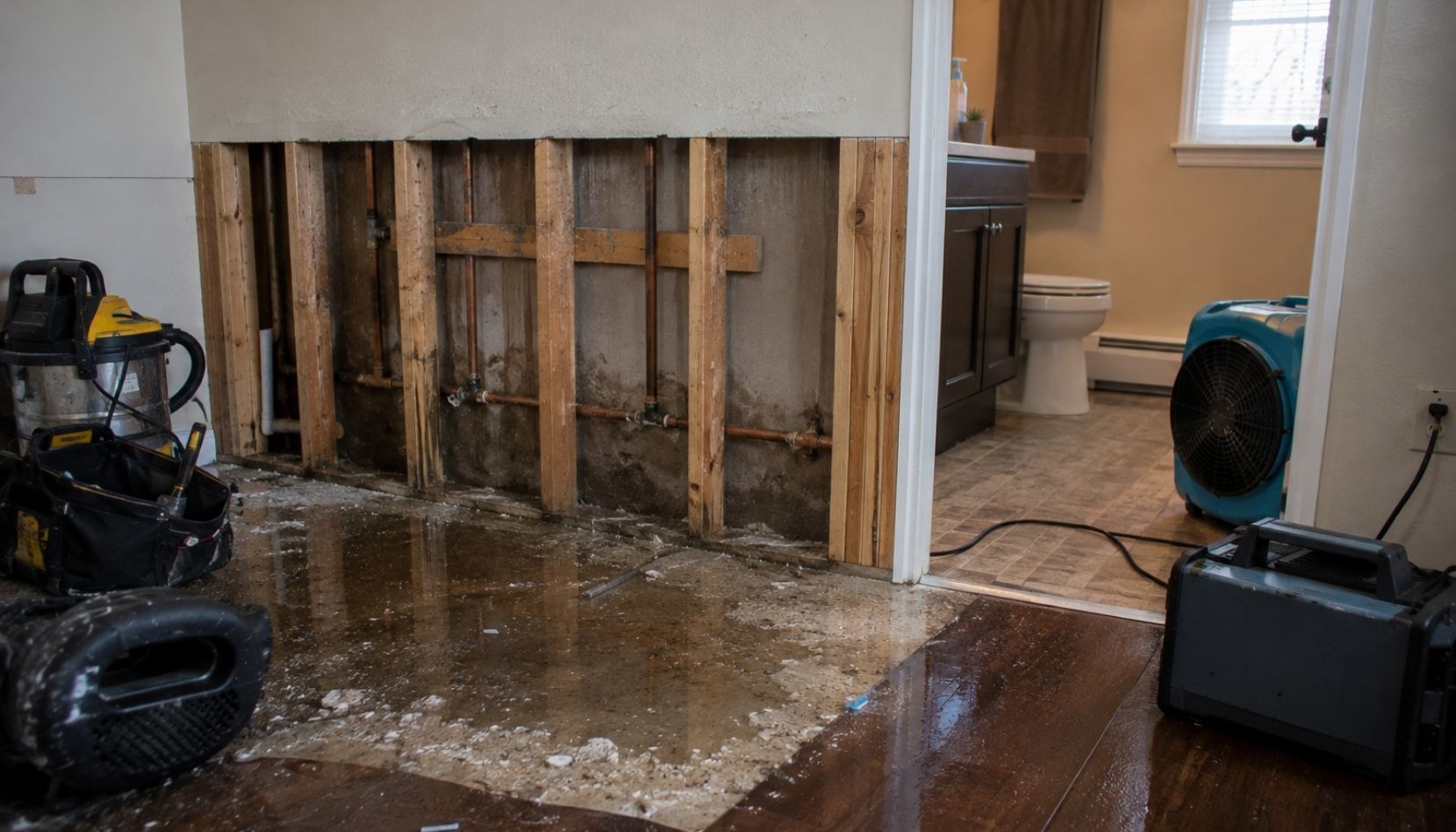
Most carriers insuring seasonal lake homes in Minnesota require you to either shut off the water supply and drain the pipes before winter or maintain heat at a minimum temperature, usually 55°F. Frozen pipes are one of the most common and expensive claims for seasonal properties, with a single burst pipe causing $10,000 to $50,000 or more in damage.
Some insurers now require or offer discounts for smart home water monitoring systems that detect leaks and temperature drops, then alert you remotely. These devices cost $100-300 and can prevent claims that would otherwise cost tens of thousands. If your insurer doesn't require one, install one anyway. It's the cheapest protection you can buy for a seasonal property.
The 30-Day Vacancy Clause Explained
Here's a policy provision that catches people off guard: most homeowners policies include a vacancy clause that limits or eliminates certain coverages after the home has been unoccupied for 30 consecutive days. Vandalism, glass breakage, and sometimes water damage coverage can be reduced or voided entirely once this threshold is triggered.
For a Minnesota lake home that sits empty from October through April, that's roughly 180 days of reduced coverage every year. Some carriers offer vacancy endorsements or permits that extend coverage during unoccupied periods, but these come at additional cost. Others, particularly those specializing in seasonal home insurance, build longer vacancy allowances into their base policies. Ask specifically about vacancy provisions before you buy any lakefront policy.
Shoreline Erosion and Environmental Risks
Water is both the reason you bought a lake home and the biggest threat to it. Shoreline erosion, flooding, and shifting water tables create risks that standard insurance policies were never designed to address.
Erosion is a slow-motion disaster. Your shoreline might lose inches or feet per year, gradually undermining retaining walls, dock foundations, and eventually the home itself. The critical thing to understand is that standard homeowners policies exclude earth movement and gradual erosion. This isn't a coverage gap you can fix with an endorsement on most policies; it's a fundamental exclusion.
Flood Insurance vs. Erosion Damage
Flood insurance through the National Flood Insurance Program (NFIP) or private flood markets covers sudden inundation from rising water levels. It does not cover erosion. These are treated as entirely separate perils. A storm that sends lake water surging into your home is a flood event. The gradual wearing away of your shoreline over years is erosion. Your flood policy covers the first scenario; nothing in a standard insurance portfolio covers the second.
If your lake home sits in a FEMA-designated flood zone, your mortgage lender will require flood insurance. Even if you're outside a flood zone, a separate flood policy is worth serious consideration for any waterfront property. Private flood insurance markets have expanded significantly and often offer better terms than the NFIP for higher-value lakefront homes.
Comparing Coverage: Standard Homeowners vs. Lakefront Policies
The gap between what a standard HO-3 policy covers and what a lakefront property actually needs is wider than most people realize. Here's a direct comparison of the key differences.
Comparison Chart: Protection Gaps and Limits
| Coverage Area | Standard HO-3 Policy | Lakefront/Seasonal Policy |
|---|---|---|
| Vacancy Period | 30-day limit, then reduced coverage | Extended vacancy provisions (60-180 days) |
| Dock/Boathouse | 10% of dwelling under Coverage B | Higher other-structure limits or scheduled coverage |
| Flood Damage | Excluded entirely | Separate flood policy required |
| Shoreline Erosion | Excluded | Excluded (may need separate earth movement rider) |
| Short-Term Rental | Excluded or voided | Available via endorsement or commercial dwelling policy |
| Water Shutoff | Not typically required | Often mandatory for seasonal classification |
| Watercraft Liability | Limited (small boats only) | Broader coverage or separate watercraft policy |
| Pipe Freeze Coverage | Full coverage if home is heated | May require monitoring devices or winterization proof |
This comparison highlights why a cookie-cutter policy from a single carrier often falls short for lakefront properties. An independent agency can shop multiple insurers to find coverage that addresses these specific gaps rather than forcing you into a standard policy with expensive add-ons.
Common Questions for New Lakefront Property Owners
Do I need a separate policy for my lake home, or can I add it to my primary home insurance? Your lake home needs its own policy. You can't add a second dwelling to a standard homeowners policy. That said, insuring both properties with the same carrier often qualifies you for a multi-policy discount.
Will my insurance cover damage if a tree falls on my dock during a storm? It depends on whether your dock is classified as an other structure and whether your Coverage B limits are high enough. Many policies cover storm damage to docks, but the payout is capped at your other-structures limit.
What happens if I don't winterize my lake home and pipes burst? If your policy requires winterization or water shutoff and you didn't comply, the insurer can deny the claim. This is one of the most common reasons for claim denials on seasonal properties.
Can I switch my lake home from seasonal to primary residence status? Yes, but you need to notify your insurer. Changing occupancy classification affects your premium, coverage terms, and potentially your carrier options. Don't assume the change happens automatically.
Does homeowners insurance cover my boat? Only small boats, typically under 25 feet with limited horsepower. Larger boats, jet skis, and pontoons usually need a separate watercraft policy.
Is shoreline erosion covered by any insurance? Not by standard homeowners or flood policies. Some specialty carriers offer earth movement coverage, but it's expensive and limited. Prevention through proper retaining walls and vegetation is your best defense.
Protecting Your Waterfront Investment
Lake home insurance isn't just a more expensive version of your regular homeowners policy. It's a fundamentally different product designed around risks that don't exist for suburban homes: erosion, extended vacancy, waterfront structures, and the unique liability that comes with docks and boats.
The most expensive mistake you can make is assuming your lake home is covered the same way your primary residence is. Review your vacancy clauses, verify your dock and boathouse coverage limits, understand your winterization obligations, and get a separate flood policy if you're anywhere near the waterline.
If you're shopping for lakefront property insurance in Minnesota, Variant Insurance Group can compare options across multiple carriers to find the right combination of coverage and price for your specific situation. Whether you're insuring a year-round second home or a cabin you visit six weekends a year, having an independent agent who understands the nuances of seasonal and waterfront underwriting makes the difference between a policy that actually protects you and one that just collects premiums.
On this page
Variant Insurance Group is a licensed independent insurance agency serving Minnesota families and businesses.
From our office in Maple Plain, our team works with many of Minnesota's top-rated carriers so your home, auto, life, and business coverage fits your real needs. We serve families and businesses across Minnesota.

About the Author
Charlie Brookins
Founder & Agent/Owner, Variant Insurance Group
I'm Charlie Brookins, founder and owner of Variant Insurance Group. I built this agency on one idea: local people and businesses deserve honest advice and coverage that fits their real life. As an independent agent in Maple Plain, I shop many of Minnesota's top-rated carriers to find the right protection for your home, auto, life, and business, and I stay with you through every claim and change. My goal is simple: give you straight answers and coverage you can trust.
One agent, many carriers
We represent many top-rated insurance companies. You get more coverage choices, better pricing, and one point of contact for every policy you own.
01
We shop as your life changes
04
New home, new vehicle, or a growing business? We re-shop your coverage across carriers so your protection keeps pace and your rate stays fair.

Personal Insurance
Coverage for your home, auto, and life
Protection for the people and things that matter most, shopped across Minnesota's top-rated carriers.
Auto Insurance
Coverage for your car, truck, or SUV. We compare carriers to protect you on the road at a fair price.
Home Insurance
Protection for your house, your belongings, and your liability. We match you with the right coverage for your home.
Life Insurance
Support for the people who depend on you. We help you compare term and whole life options that fit your budget.
Umbrella Insurance
Extra liability protection above your home and auto limits. A strong safety net for your family and your assets.
Renters Insurance
Coverage for your belongings and liability in a rented home or apartment. Affordable protection with quick setup.
Recreational Vehicle Insurance
Coverage for boats, motorcycles, ATVs, and campers. Enjoy the season with the right protection in place.
One agent, many carriers
We represent many top-rated insurance companies. You get more coverage choices, better pricing, and one point of contact for every policy you own.
01
We shop as your life changes
04
New home, new vehicle, or a growing business? We re-shop your coverage across carriers so your protection keeps pace and your rate stays fair.

Business Insurance
Coverage that protects what you have built
Liability, property, auto, and more, shopped across Minnesota's top-rated commercial carriers.
Workers Compensation
Coverage for employee injuries and lost wages. We help Minnesota employers meet state rules and protect their crew.
Commercial General Liability
Protection against third-party injury and property damage claims. Core coverage for most Minnesota businesses.
Commercial Property
Coverage for your building, equipment, and inventory. We protect the physical assets your business depends on.
Commercial Auto
Coverage for vehicles your business owns and drives. We match trucks, vans, and fleets with the right protection.
Commercial Umbrella
Extra liability limits above your other business policies. Added protection for larger claims and contracts.
Commercial Professional Liability
Coverage for your building, equipment, and inventory. We protect the physical assets your business depends on.

One agent, many carriers
We represent many top-rated insurance companies. You get more coverage choices, better pricing, and one point of contact for every policy you own.
01
We shop as your life changes
04
New home, new vehicle, or a growing business? We re-shop your coverage across carriers so your protection keeps pace and your rate stays fair.
Industries we serve
Coverage built for your industry

Contractor Insurance
Coverage for Minnesota contractors and the trades — general liability, tools and equipment, property, and workers comp. Protection for the job site and the crew.

Apartment Complex Insurance
Your income depends on the housing you provide, and wind, fire, or flood can interrupt it. Apartment Complex Insurance helps protect your property, your liability if a tenant or worker is injured, and your personal assets.

Brewery Insurance
You have pictured this brewery for years. Whether you just make great beer or serve food and merchandise too, Variant helps Minnesota breweries find the right coverage, from startups to major production facilities.


Our carrier bench
We shop these carriers so you don't have to


Plus specialty market access through Burns & Wilcox, CRC Group, Amwins, RPS and US Assure.
One agent, many carriers
We represent many top-rated insurance companies. You get more coverage choices, better pricing, and one point of contact for every policy you own.
01
We shop as your life changes
04
New home, new vehicle, or a growing business? We re-shop your coverage across carriers so your protection keeps pace and your rate stays fair.
Four steps, one real person from start to finish.
30 seconds — name, email, phone. Or just call. We’ll ask the right questions from there.
4
We stay in your corner
In their words
What our clients say
Frequently asked questions
Your insurance questions, answered
These are the questions Minnesota families and businesses ask us most. If you don't see yours here, call or message us — a real local agent is glad to help.
What does an independent insurance agency do?
An independent agency represents many insurance companies instead of just one. We shop your coverage across those carriers and compare protection and price for you.
That means more choices and one local team for every policy. You get honest guidance and a single point of contact you can trust.
How do you find me the best rate?
We start with your details and what you need to protect. Then we compare quotes from many top-rated carriers side by side.
We explain the coverage and the cost in plain terms, so the choice is clear. As your life changes, we re-shop your policies to keep your rate fair.
Can you handle both my personal and business insurance
Yes. We cover your home, auto, and life along with your workers comp, commercial property, and commercial auto.
One team manages it all, so you make one call for every policy. That saves you time and keeps your coverage consistent.
What should I do if I need to file a claim?
Call us or contact your carrier as soon as it is safe to do so. Gather photos, notes, and any details about what happened.
Our local team walks you through each step and follows up with the carrier. We stay in your corner until the claim is resolved.
Which areas do you serve?
Our office is in Maple Plain, Minnesota, and we serve families and businesses across the state. You can visit us, call, or email.
We know the local area and the coverage Minnesota requires. [CONFIRM: list any additional licensed states.]
How do I get started?
Request a quote online or call 763-333-2533. Share a few details and we take it from there.
We shop your coverage, compare your options, and explain what fits. There is no pressure and no obligation to buy.
One agent, many carriers
We represent many top-rated insurance companies. You get more coverage choices, better pricing, and one point of contact for every policy you own.
01
We shop as your life changes
04
New home, new vehicle, or a growing business? We re-shop your coverage across carriers so your protection keeps pace and your rate stays fair.

Named an Auto-Owners Sapphire Agency — a distinction reserved for a select group of the carrier's top-performing independent agencies.
From our blog
Insurance tips for Minnesota
Practical guides on coverage for your home, auto, and business.