



We compare Minnesota's top-rated insurance companies to find you strong coverage at a fair price. One local team handles your personal and business insurance.
Variant Insurance Group is a licensed independent insurance agency serving Minnesota families and businesses.
From our office in Maple Plain, our team works with many of Minnesota's top-rated carriers so your home, auto, life, and business coverage fits your real needs. We serve families and businesses across Minnesota.
04
Frequently Asked Questions About Business Insurance
An umbrella policy is excess liability coverage that kicks in after your home or auto policy limits are exhausted. If you cause a car accident that results in $400,000 in medical bills and your auto liability maxes out at $250,000, your umbrella covers the remaining $150,000.
Most umbrella policies start at $1 million in coverage and cost between $150 and $350 per year. For families with assets to protect, especially homeowners, this is arguably the best value in all of personal insurance. A lawsuit from a serious auto accident, a dog bite, or a pool injury can easily exceed standard policy limits. Without an umbrella, your savings, home equity, and future wages are all exposed.
The general rule: if your total assets (home equity, savings, investments) exceed your liability limits, you need an umbrella. Period.
A single lawsuit from a slip-and-fall incident can cost a small business $50,000 or more before attorneys even get involved. A warehouse fire can erase years of investment overnight. A ransomware attack can lock up your customer data and your revenue stream in the same afternoon. These aren't hypothetical scenarios: they happen to Minnesota businesses every year, and most of the owners affected assumed it wouldn't happen to them.
Getting the right business insurance isn't just about checking a box for compliance. It's about building a financial safety net that actually holds when something goes wrong. The tricky part is that "right" looks different for a landscaping crew in Duluth than it does for a tech startup in Minneapolis. Coverage types, limits, exclusions, and pricing all vary based on your industry, headcount, revenue, and risk profile. This guide breaks down the six most common commercial policies, explains what each one actually covers (and what it doesn't), and gives you a framework for deciding how much protection your operation needs. Whether you're launching your first LLC or running a company with 50 employees, the goal is the same: spend wisely on coverage that actually matters.
Understanding the Foundations of Commercial Insurance
Commercial insurance is a broad category that includes any policy designed to protect a business rather than an individual. Unlike personal policies, commercial coverage accounts for things like customer injuries on your premises, employee accidents, fleet vehicles, and professional errors. Most businesses need a combination of several policy types to cover their full risk exposure.
The good news for business owners shopping in 2026 is that the market is softening. Commercial property and casualty premiums decreased by 2.0% in Q2 2026, marking a continued trend of rate relief after years of increases. That means you may have more room to negotiate pricing or add coverage you've been putting off.
Why Small Business Coverage is Essential
Small businesses often operate with thin margins, and a single uninsured claim can be fatal. A $100,000 liability judgment against a company doing $500,000 in annual revenue isn't just painful: it's potentially business-ending. Small business coverage exists to transfer that financial risk to an insurer in exchange for a predictable premium.
Even if you work solo from a home office, you're not immune. Client disputes, data breaches, and property damage don't care about your headcount. The right policies keep your personal assets separate from your business liabilities, which is especially critical if you're structured as a sole proprietor without the liability shield of an LLC or corporation.
Common Risks Facing Modern Business Owners
Every industry has its own risk fingerprint, but some threats are nearly universal. Slip-and-fall lawsuits, property theft, vehicle accidents during work hours, and employee injuries top the list for most small to mid-size companies. Cyber threats have climbed rapidly: ransomware attacks against small businesses surged again in 2025 and 2026, and the average cost of a data breach for companies with fewer than 500 employees now exceeds $3 million.
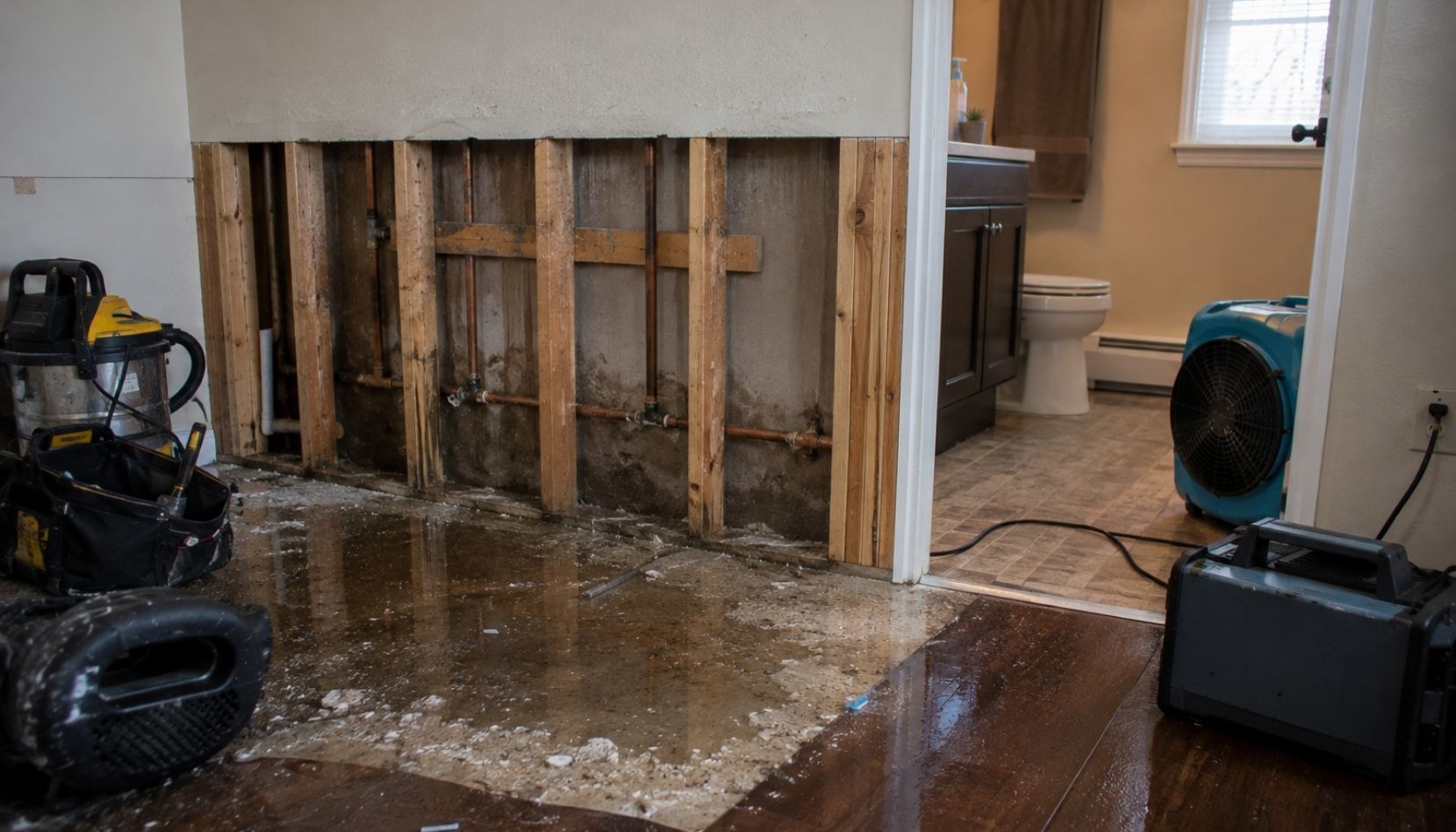
Minnesota-specific risks also matter. Harsh winters create slip-and-fall hazards on commercial properties, frozen pipes can cause significant water damage, and seasonal businesses face unique coverage gaps during off-months. Understanding your specific risk profile is the first step toward building a policy package that actually works.

Core Policies: General Liability and Commercial Property
These two policies form the backbone of most commercial insurance programs. If you buy nothing else, you'll likely need both. They cover fundamentally different risks, and one does not substitute for the other.
General Liability: Protecting Against Third-Party Claims
General liability (GL) insurance covers claims made by people outside your company: customers, vendors, passersby, or anyone who interacts with your business. The three big categories are bodily injury, property damage, and personal/advertising injury (think defamation or copyright infringement in your marketing).
A typical GL policy carries limits of $1 million per occurrence and $2 million aggregate. If a customer trips over loose carpet in your retail store and breaks a wrist, GL pays for their medical bills and your legal defense. If your employee accidentally damages a client's property while on a job site, same thing. What GL won't cover is damage to your own property or injuries to your own employees: those fall under other policies.
Commercial Property: Securing Your Physical Assets
Commercial property insurance covers your physical stuff: your building (if you own it), equipment, inventory, furniture, signage, and sometimes even data stored on-site. Standard policies cover perils like fire, theft, vandalism, and certain weather events, though flood and earthquake coverage usually require separate endorsements.
One common mistake is underinsuring. If you bought your policy three years ago and haven't updated it, your coverage limit might reflect 2023 replacement costs. Construction costs and equipment prices have shifted significantly since then. Review your property limits annually and make sure they reflect what it would actually cost to rebuild or replace everything today.
Comparison: General Liability vs. Professional Liability
People confuse these two constantly, and the distinction matters.
| Feature | General Liability | Professional Liability (E&O) |
|---|---|---|
| What it covers | Bodily injury, property damage, advertising injury | Errors, omissions, negligent advice |
| Who needs it | Nearly every business | Service-based and consulting firms |
| Typical limits | $1M per occurrence / $2M aggregate | $1M per claim / $1M aggregate |
| Trigger | Physical harm or property damage | Financial loss from professional mistakes |
| Example claim | Customer slips in your office | Bad advice costs a client $200K |
If you provide professional services or advice of any kind, you likely need both. A GL policy won't cover a client who sues you because your consulting recommendation cost them money. That's a professional liability claim, and without E&O coverage, you're paying out of pocket.

Mandatory and Specialized Coverage Types
Beyond the foundational policies, several coverage types address specific and sometimes legally required risks. Skipping these can mean fines, lawsuits, or catastrophic out-of-pocket losses.
Workers Compensation: State Requirements and Employee Safety
Minnesota law requires workers compensation insurance for virtually all employers, even those with just one employee. The policy covers medical expenses, lost wages, and rehabilitation costs when an employee is injured on the job. It also protects you from lawsuits by injured workers, since accepting workers comp benefits generally means the employee gives up the right to sue you for negligence.
The workers comp market has been one of the most profitable lines for insurers in recent years, which has kept rates competitive. Premiums are calculated based on your payroll, industry classification code, and claims history. A clean safety record can earn you significant discounts over time.
Commercial Auto: Beyond Personal Car Insurance
If anyone in your company drives a vehicle for work purposes, you need commercial auto insurance. Personal auto policies almost always exclude business use, which means a claim during a delivery or client visit could be denied entirely.
Commercial auto covers liability for accidents, physical damage to your vehicles, and medical payments. It also covers hired and non-owned vehicles: rental cars or employees using their personal cars for company errands. This last piece is critical and often overlooked. If your employee causes an accident while driving their own car on company business, your business can be held liable. A hired and non-owned auto endorsement fills that gap.
Cyber Insurance: Defending Against Data Breaches
Cyber insurance has gone from "nice to have" to essential for most businesses in a remarkably short time. If you store customer data, process credit cards, or rely on digital systems to operate, you're a target. Policies typically cover breach notification costs, forensic investigation, business interruption from cyber events, ransomware payments (where legal), and regulatory fines.
The commercial insurance market outlook for 2026 shows cyber premiums stabilizing after several years of sharp increases, partly because underwriting standards have tightened and businesses are implementing better security practices. That said, carriers now expect you to have basic protections in place: multi-factor authentication, endpoint detection, and employee training. Without these, you may struggle to get coverage at all.
Scaling Protection with Excess Liability and Umbrella Limits
Standard policies have caps. A $1 million GL limit sounds like a lot until you're facing a serious injury claim with six-figure medical bills and a plaintiff's attorney pushing for a seven-figure settlement. Excess liability and umbrella policies sit on top of your underlying coverage and kick in when those base limits are exhausted.
An umbrella policy typically provides $1 million to $10 million in additional coverage across your GL, commercial auto, and employers liability policies. The cost is surprisingly reasonable: many small businesses can add $1 million in umbrella coverage for $500 to $1,500 per year. For companies with significant public exposure, multiple vehicles, or high-value contracts, this is one of the best dollar-for-dollar investments in your insurance program.
Working with an independent agency like Variant Insurance Group can be especially helpful here, since they can compare umbrella options across multiple carriers to find the right balance of limits and pricing for your situation.
Quick Reference: Coverage Limits and Comparison Table
| Coverage Type | Typical Limits | Who Needs It | Average Annual Cost (Small Business) |
|---|---|---|---|
| General Liability | $1M / $2M | Nearly everyone | $400 - $1,500 |
| Commercial Property | Varies by asset value | Businesses with physical locations or equipment | $500 - $3,000 |
| Workers Compensation | Statutory (state-mandated) | Any employer in MN | $800 - $5,000+ |
| Commercial Auto | $1M combined single limit | Businesses using vehicles | $1,200 - $4,000 |
| Cyber Liability | $1M per claim | Anyone storing digital data | $500 - $3,000 |
| Umbrella/Excess | $1M - $10M+ | Businesses wanting higher protection | $500 - $1,500 |
These ranges reflect 2026 pricing for small businesses with fewer than 25 employees. Your actual premiums depend on industry, location, claims history, and coverage specifics. The softening P&C market has led to a second consecutive quarter of premium declines, so now is a solid time to shop around.
Frequently Asked Questions About Business Insurance
How much does a basic business policy cost?
A Business Owner's Policy (BOP), which bundles general liability and commercial property, typically runs between $500 and $2,500 per year for a small business. Your exact cost depends on revenue, location, industry, and coverage limits.
Do I really need workers comp if I only have one employee?
Yes, in Minnesota. State law requires workers compensation coverage for nearly all employers regardless of headcount. Operating without it can result in fines, criminal penalties, and personal liability for any workplace injuries.
Can I use my personal auto policy for business deliveries?
Almost certainly not. Most personal auto policies exclude commercial use. If you're making deliveries, visiting clients, or hauling equipment, you need commercial auto or at minimum a business use endorsement on your personal policy.
What is the difference between an occurrence and claims-made policy?
An occurrence policy covers incidents that happen during the policy period, regardless of when the claim is filed. A claims-made policy only covers claims filed while the policy is active. Claims-made policies are common for professional liability and cyber insurance. If you cancel a claims-made policy, you'll need "tail coverage" to protect against claims filed after cancellation for incidents that occurred during the policy term.
Does general liability cover my own tools and equipment?
No. GL covers third-party claims: other people's injuries and property damage. Your own tools, equipment, and inventory are covered under commercial property insurance or an inland marine policy (sometimes called a "tools and equipment floater").
The Bottom Line: Making the Right Choice for Your Growth
Getting your insurance program right isn't a one-time decision. Your coverage needs shift as you hire employees, add vehicles, sign bigger contracts, or expand into new services. The businesses that avoid costly gaps are the ones that review their policies at least annually and adjust as their operations change.
The 2026 market is working in your favor. Premium decreases are accelerating across most commercial lines, which means you have more negotiating power than you've had in years. Use it. Don't just auto-renew last year's policy: get competitive quotes and make sure your limits still match your exposure.
If sorting through carriers and coverage options feels overwhelming, that's exactly where an independent agency earns its keep. Variant Insurance Group shops multiple top-rated carriers on your behalf, comparing coverage, pricing, and service quality so you don't have to call ten different companies yourself. Reach out to their team for a personalized review of your current coverage: it costs nothing to find out if you're overpaying or underprotected.
On this page
Variant Insurance Group is a licensed independent insurance agency serving Minnesota families and businesses.
From our office in Maple Plain, our team works with many of Minnesota's top-rated carriers so your home, auto, life, and business coverage fits your real needs. We serve families and businesses across Minnesota.

About the Author
Charlie Brookins
Founder & Agent/Owner, Variant Insurance Group
I'm Charlie Brookins, founder and owner of Variant Insurance Group. I built this agency on one idea: local people and businesses deserve honest advice and coverage that fits their real life. As an independent agent in Maple Plain, I shop many of Minnesota's top-rated carriers to find the right protection for your home, auto, life, and business, and I stay with you through every claim and change. My goal is simple: give you straight answers and coverage you can trust.
One agent, many carriers
We represent many top-rated insurance companies. You get more coverage choices, better pricing, and one point of contact for every policy you own.
01
We shop as your life changes
04
New home, new vehicle, or a growing business? We re-shop your coverage across carriers so your protection keeps pace and your rate stays fair.

Personal Insurance
Coverage for your home, auto, and life
Protection for the people and things that matter most, shopped across Minnesota's top-rated carriers.
Auto Insurance
Coverage for your car, truck, or SUV. We compare carriers to protect you on the road at a fair price.
Home Insurance
Protection for your house, your belongings, and your liability. We match you with the right coverage for your home.
Life Insurance
Support for the people who depend on you. We help you compare term and whole life options that fit your budget.
Umbrella Insurance
Extra liability protection above your home and auto limits. A strong safety net for your family and your assets.
Renters Insurance
Coverage for your belongings and liability in a rented home or apartment. Affordable protection with quick setup.
Recreational Vehicle Insurance
Coverage for boats, motorcycles, ATVs, and campers. Enjoy the season with the right protection in place.
One agent, many carriers
We represent many top-rated insurance companies. You get more coverage choices, better pricing, and one point of contact for every policy you own.
01
We shop as your life changes
04
New home, new vehicle, or a growing business? We re-shop your coverage across carriers so your protection keeps pace and your rate stays fair.

Business Insurance
Coverage that protects what you have built
Liability, property, auto, and more, shopped across Minnesota's top-rated commercial carriers.
Workers Compensation
Coverage for employee injuries and lost wages. We help Minnesota employers meet state rules and protect their crew.
Commercial General Liability
Protection against third-party injury and property damage claims. Core coverage for most Minnesota businesses.
Commercial Property
Coverage for your building, equipment, and inventory. We protect the physical assets your business depends on.
Commercial Auto
Coverage for vehicles your business owns and drives. We match trucks, vans, and fleets with the right protection.
Commercial Umbrella
Extra liability limits above your other business policies. Added protection for larger claims and contracts.
Commercial Professional Liability
Coverage for your building, equipment, and inventory. We protect the physical assets your business depends on.

One agent, many carriers
We represent many top-rated insurance companies. You get more coverage choices, better pricing, and one point of contact for every policy you own.
01
We shop as your life changes
04
New home, new vehicle, or a growing business? We re-shop your coverage across carriers so your protection keeps pace and your rate stays fair.
Industries we serve
Coverage built for your industry

Contractor Insurance
Coverage for Minnesota contractors and the trades — general liability, tools and equipment, property, and workers comp. Protection for the job site and the crew.

Apartment Complex Insurance
Your income depends on the housing you provide, and wind, fire, or flood can interrupt it. Apartment Complex Insurance helps protect your property, your liability if a tenant or worker is injured, and your personal assets.

Brewery Insurance
You have pictured this brewery for years. Whether you just make great beer or serve food and merchandise too, Variant helps Minnesota breweries find the right coverage, from startups to major production facilities.


Our carrier bench
We shop these carriers so you don't have to


Plus specialty market access through Burns & Wilcox, CRC Group, Amwins, RPS and US Assure.
One agent, many carriers
We represent many top-rated insurance companies. You get more coverage choices, better pricing, and one point of contact for every policy you own.
01
We shop as your life changes
04
New home, new vehicle, or a growing business? We re-shop your coverage across carriers so your protection keeps pace and your rate stays fair.
Four steps, one real person from start to finish.
30 seconds — name, email, phone. Or just call. We’ll ask the right questions from there.
4
We stay in your corner
In their words
What our clients say
Frequently asked questions
Your insurance questions, answered
These are the questions Minnesota families and businesses ask us most. If you don't see yours here, call or message us — a real local agent is glad to help.
What does an independent insurance agency do?
An independent agency represents many insurance companies instead of just one. We shop your coverage across those carriers and compare protection and price for you.
That means more choices and one local team for every policy. You get honest guidance and a single point of contact you can trust.
How do you find me the best rate?
We start with your details and what you need to protect. Then we compare quotes from many top-rated carriers side by side.
We explain the coverage and the cost in plain terms, so the choice is clear. As your life changes, we re-shop your policies to keep your rate fair.
Can you handle both my personal and business insurance
Yes. We cover your home, auto, and life along with your workers comp, commercial property, and commercial auto.
One team manages it all, so you make one call for every policy. That saves you time and keeps your coverage consistent.
What should I do if I need to file a claim?
Call us or contact your carrier as soon as it is safe to do so. Gather photos, notes, and any details about what happened.
Our local team walks you through each step and follows up with the carrier. We stay in your corner until the claim is resolved.
Which areas do you serve?
Our office is in Maple Plain, Minnesota, and we serve families and businesses across the state. You can visit us, call, or email.
We know the local area and the coverage Minnesota requires. [CONFIRM: list any additional licensed states.]
How do I get started?
Request a quote online or call 763-333-2533. Share a few details and we take it from there.
We shop your coverage, compare your options, and explain what fits. There is no pressure and no obligation to buy.
One agent, many carriers
We represent many top-rated insurance companies. You get more coverage choices, better pricing, and one point of contact for every policy you own.
01
We shop as your life changes
04
New home, new vehicle, or a growing business? We re-shop your coverage across carriers so your protection keeps pace and your rate stays fair.

Named an Auto-Owners Sapphire Agency — a distinction reserved for a select group of the carrier's top-performing independent agencies.
From our blog
Insurance tips for Minnesota
Practical guides on coverage for your home, auto, and business.