


We compare Minnesota's top-rated insurance companies to find you strong coverage at a fair price. One local team handles your personal and business insurance.

Commercial Umbrella Insurance


Variant Insurance Group is a licensed independent insurance agency serving Minnesota families and businesses.

From our office in Maple Plain, our team works with many of Minnesota's top-rated carriers so your home, auto, life, and business coverage fits your real needs. We serve families and businesses across Minnesota.

04

A $2.5 million verdict from a single auto accident. A slip-and-fall lawsuit that blows past your general liability limits. A workplace injury claim that exhausts your employers liability coverage before the attorneys even finish negotiating. These are the scenarios that keep business owners up at night, and they're exactly why commercial umbrella insurance exists. Understanding how excess limits stack above your primary policies, what follow-form terms actually mean, how contract requirements drive the limits you need, and when self-insured retentions come into play can mean the difference between surviving a major claim and watching your business collapse under the weight of it. Umbrella and excess liability rates have seen low double-digit increases throughout 2024 and 2025 due to claims severity and rising reinsurance costs, which means getting this coverage right has never been more financially significant. If you're a Minnesota business owner trying to figure out how much excess coverage you actually need and why your contracts keep demanding higher limits, this guide breaks it all down without the jargon.

What is Commercial Umbrella Insurance?

Commercial umbrella insurance provides an additional layer of liability protection that kicks in after your underlying primary policies have been exhausted. Think of it as a safety net above your general liability, commercial auto, and employers liability policies. If a claim exceeds the limits on any of those primary policies, the umbrella picks up the remaining costs, up to its own limit.


A typical scenario: your general liability policy carries a $1 million per-occurrence limit. Someone suffers a serious injury on your property, and the resulting lawsuit settles for $2.8 million. Your GL policy pays its $1 million, and your umbrella policy covers the remaining $1.8 million. Without that umbrella, you'd be writing a check from business assets or facing potential bankruptcy.


Most umbrella policies are sold in increments of $1 million, with many businesses carrying between $2 million and $10 million in excess limits. The cost per million in coverage is surprisingly affordable compared to increasing the limits on your underlying policies, which is why this approach to risk management is so common.

The Difference Between Excess Liability and Umbrella Policies

People use "umbrella" and "excess liability" interchangeably, but they're technically different products. An excess liability policy strictly follows the terms and conditions of the underlying policy it sits above. It won't cover anything the underlying policy excludes.


An umbrella policy can be broader. It may provide "drop-down" coverage for claims that your underlying policies don't cover at all, subject to a self-insured retention (basically a deductible you pay out of pocket). For example, if your umbrella includes personal injury coverage that your GL policy excludes, the umbrella could still respond to that claim after you satisfy the retention.


That said, the market has blurred these lines considerably. Many policies sold as "umbrellas" today function more like pure excess policies. Always read the actual policy language rather than relying on what the product is called.

Understanding the 'Follow-Form' Nature of Coverage

"Follow-form" means the umbrella policy adopts the same terms, conditions, and exclusions as the underlying policy it sits above. If your general liability policy excludes pollution claims, a follow-form umbrella won't cover pollution claims either.


This matters because business owners sometimes assume their umbrella will fill gaps in their primary coverage. A follow-form umbrella won't do that. It simply extends the same coverage to a higher dollar amount. Some umbrella policies are partially follow-form, meaning they follow the underlying policy's terms for most things but include their own specific exclusions or broader grants of coverage in certain areas. The excess casualty market has been shifting toward tighter terms as carriers react to nuclear verdicts, so understanding exactly what your policy follows and where it departs is critical.

How Umbrella Limits Sit Above Underlying Policies

The umbrella doesn't replace your primary policies. It sits directly on top of them, creating a layered structure. Each underlying policy must maintain specific minimum limits, known as "scheduled underlying limits," for the umbrella to respond. Drop below those required minimums, and you could create an uninsured gap that you'd have to cover yourself.

General Liability: Protecting Against Large Bodily Injury Claims

Your commercial general liability policy is typically the first line of defense against third-party bodily injury and property damage claims. Most GL policies carry a $1 million per-occurrence limit and a $2 million general aggregate. For small to mid-sized businesses, these limits can evaporate fast in a serious injury case.


A customer who slips on ice outside your Minnesota storefront and suffers a traumatic brain injury could easily generate a claim north of $3 million. Your GL pays its $1 million, and the umbrella covers the rest. Without excess coverage, you're exposed to the full amount above your primary limit.

Commercial Auto: Covering Catastrophic Fleet Accidents

Auto liability claims are where umbrella coverage earns its keep most dramatically. Nuclear verdicts in auto claims have been rising steadily, with jury awards routinely exceeding $5 million in cases involving serious injuries or fatalities. If your company operates vehicles, even just a few, a single catastrophic accident can generate a claim that dwarfs your $1 million auto liability limit.


Minnesota's harsh winter driving conditions make this especially relevant. A company truck that causes a multi-vehicle pileup on I-94 during a January ice storm could result in claims from multiple injured parties. Your commercial auto policy handles the first million; the umbrella handles the rest. This is one area where carrying thin umbrella limits is genuinely risky.

Employers Liability: Bridging the Gap in Workers' Comp Claims

Workers' compensation covers most workplace injuries, but employers liability, which is Part B of your workers' comp policy, covers situations where an injured employee (or their family) sues the employer directly. These lawsuits can arise from claims of gross negligence, third-party-over actions, or dual-capacity situations.


Standard employers liability limits are often $500,000 per accident, $500,000 per employee for disease, and $500,000 policy limit for disease. These amounts can fall short in severe cases. Your umbrella sits above these limits and provides additional protection. One thing to keep in mind: the umbrella typically requires you to maintain specific minimum employers liability limits. If your workers' comp carrier sets those limits lower than what the umbrella requires, you'll need to increase them.

Comparison: Primary Policy vs. Umbrella Policy

Feature Primary Policy (GL, Auto, EL) Umbrella / Excess Policy
When it pays First dollar (after deductible) After primary limits are exhausted
Typical limits $1M - $2M $1M - $25M+
Coverage scope Defined by its own terms Follows underlying terms (follow-form) or broader
Cost per $1M Higher Significantly lower
Required to have? Yes, for umbrella to attach No, but strongly recommended
Drop-down coverage N/A Some umbrellas provide this; excess policies don't
Self-insured retention Deductible applies SIR applies for drop-down claims

The cost efficiency is the key takeaway here. Adding a second million of GL coverage by increasing your primary policy limits costs far more than adding $1 million through an umbrella. That's why the layered approach makes financial sense for most businesses.

Contract-Driven Limit Requirements

Here's where theory meets reality for most business owners. You might think you only need a $1 million umbrella, but the contracts you sign often tell a different story.

Meeting Master Service Agreement (MSA) Standards

If you're a contractor, vendor, or service provider, the MSAs you sign almost always specify minimum insurance requirements, and those requirements frequently include umbrella or excess liability limits. A typical MSA for a mid-sized construction project might require $5 million in umbrella coverage. Larger commercial projects or government contracts can demand $10 million or more.


The construction insurance market has seen these requirements climb as project owners try to insulate themselves from rising verdict amounts. Failing to meet these requirements means you either can't bid on the work or you're in breach of contract from day one.


An independent agency like Variant Insurance Group can be especially helpful here because they shop multiple carriers to find umbrella coverage that meets your contract specs without overpaying. Different carriers price umbrella layers very differently depending on your industry and loss history.

Why Landlords and Clients Require High Excess Limits

Landlords, property managers, and large corporate clients require high umbrella limits because they want to make sure they're protected if your operations cause a loss on their property or to their customers. A landlord leasing warehouse space to your distribution company might require $3 million in umbrella coverage and additional insured status on both your GL and umbrella.


These requirements aren't negotiable in most cases. The landlord's attorney drafted the lease with those limits for a reason, and pushing back usually just means they find a different tenant. The practical move is to build these costs into your overhead and make sure your coverage actually meets the contractual language, not just the dollar amount.

Common Questions About Excess Coverage

Does an umbrella policy cover everything my primary policies cover? A follow-form umbrella covers the same things your underlying policies cover, nothing more. Some true umbrella policies offer broader coverage with a self-insured retention for claims outside the underlying scope, but don't assume yours does without reading the policy.


What is a self-insured retention, and how does it work? A self-insured retention (SIR) is the amount you pay out of pocket before the umbrella responds to a claim that isn't covered by an underlying policy. Typical SIRs range from $10,000 to $25,000. SIRs have been gaining ground as carriers look for ways to manage complex liability risks.


Can I buy an umbrella without underlying coverage? No. Umbrella policies require you to maintain specific underlying policies at specific minimum limits. If you cancel or reduce your underlying coverage, the umbrella won't respond.


How much does commercial umbrella insurance cost? It varies widely by industry, revenue, claims history, and desired limits. A low-risk office-based business might pay $500 to $1,500 per year for $1 million in umbrella coverage. A trucking company could pay $10,000 or more for the same limit.


Do I need an umbrella if I'm a small business with no employees? Possibly. If you sign contracts that require excess limits, or if your operations involve any meaningful liability exposure, an umbrella is worth considering. Even sole proprietors face lawsuits.


Does the umbrella cover defense costs? Most umbrella policies cover defense costs in addition to the policy limit, meaning legal fees don't erode your available coverage. Some policies include defense costs within the limit, which reduces the amount available to pay a settlement. Check your policy.

Making the Right Choice for Your Risk Level

Picking the right umbrella limit isn't about buying the most coverage you can afford. It's about matching your coverage to your actual exposure. A Minnesota-based landscaping company with a fleet of trucks and crews working on commercial properties faces very different risks than a one-person consulting firm working from a home office.


Start by looking at your contracts. What limits do your clients, landlords, and general contractors require? That's your floor. Then consider your assets: what would a plaintiff's attorney target in a lawsuit? Your business bank accounts, equipment, real estate, and even personal assets (depending on your business structure) are all fair game.


The umbrella market remains under pressure from rising verdicts, so working with an independent agency that represents multiple carriers gives you a real advantage. Variant Insurance Group shops the umbrella market across several top-rated carriers to find coverage that fits both your risk profile and your budget. That kind of comparison shopping matters when rates vary significantly from one insurer to the next.


If you're unsure where to start, pull out your most recent contracts, note the insurance requirements, and talk to an agent who understands how excess limits, follow-form terms, and self-insured retentions actually work in practice. The right umbrella policy won't just check a box on a contract: it'll keep your business standing when a major claim hits.

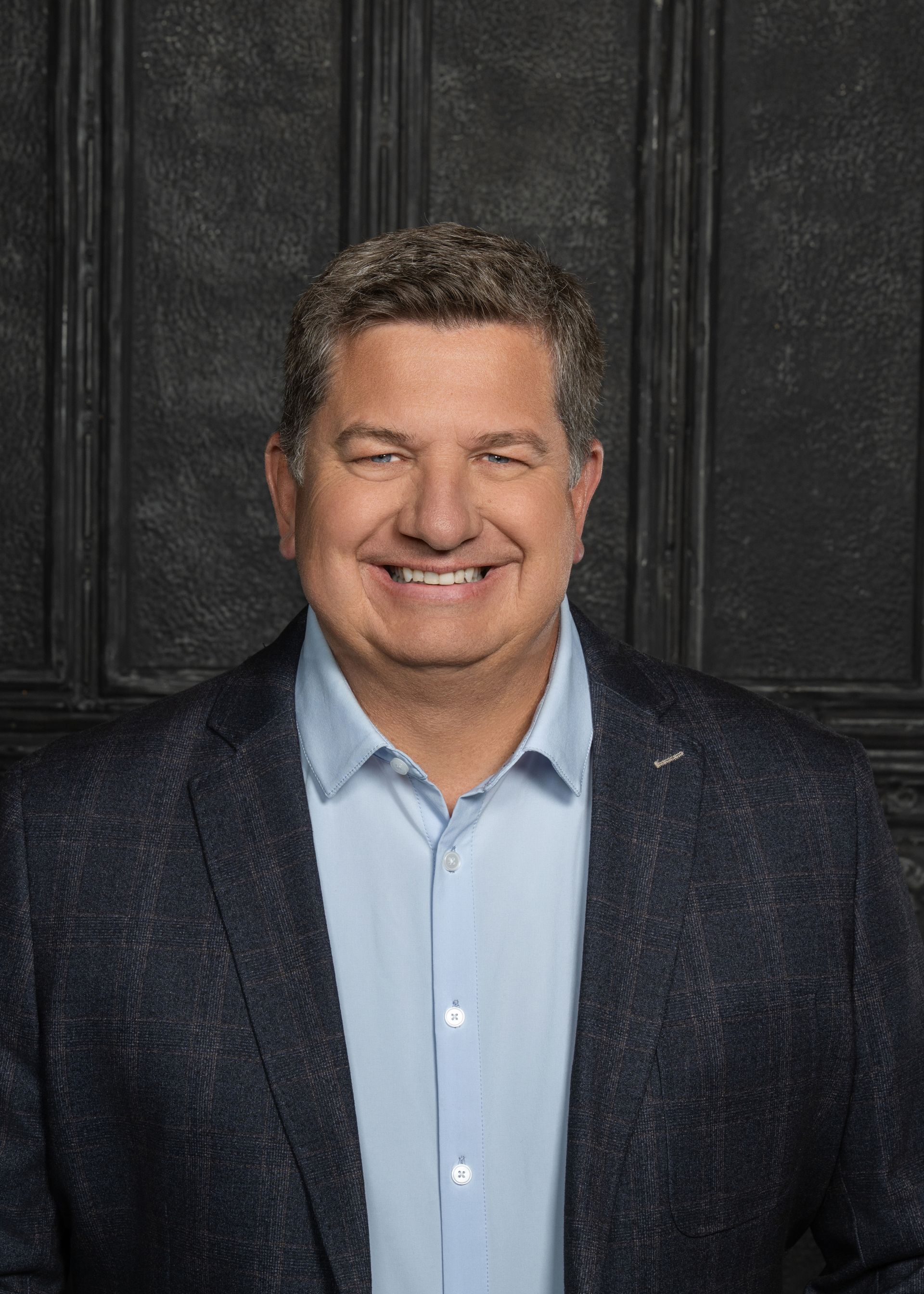
By: Charlie Brookins

Agent/Owner, Variant Insurance Group

Variant Insurance Group is a licensed independent insurance agency serving Minnesota families and businesses.

From our office in Maple Plain, our team works with many of Minnesota's top-rated carriers so your home, auto, life, and business coverage fits your real needs. We serve families and businesses across Minnesota.

About the Author

Charlie Brookins

Founder & Agent/Owner, Variant Insurance Group

I'm Charlie Brookins, founder and owner of Variant Insurance Group. I built this agency on one idea: local people and businesses deserve honest advice and coverage that fits their real life. As an independent agent in Maple Plain, I shop many of Minnesota's top-rated carriers to find the right protection for your home, auto, life, and business, and I stay with you through every claim and change. My goal is simple: give you straight answers and coverage you can trust.

One agent, many carriers

We represent many top-rated insurance companies. You get more coverage choices, better pricing, and one point of contact for every policy you own.

01

We shop as your life changes

04

New home, new vehicle, or a growing business? We re-shop your coverage across carriers so your protection keeps pace and your rate stays fair.

Personal Insurance

Coverage for your home, auto, and life

Protection for the people and things that matter most, shopped across Minnesota's top-rated carriers.

Auto Insurance

Coverage for your car, truck, or SUV. We compare carriers to protect you on the road at a fair price.

Home Insurance

Protection for your house, your belongings, and your liability. We match you with the right coverage for your home.

Life Insurance

Support for the people who depend on you. We help you compare term and whole life options that fit your budget.

Umbrella Insurance

Extra liability protection above your home and auto limits. A strong safety net for your family and your assets.

Renters Insurance

Coverage for your belongings and liability in a rented home or apartment. Affordable protection with quick setup.

Recreational Vehicle Insurance

Coverage for boats, motorcycles, ATVs, and campers. Enjoy the season with the right protection in place.

One agent, many carriers

We represent many top-rated insurance companies. You get more coverage choices, better pricing, and one point of contact for every policy you own.

01

We shop as your life changes

04

New home, new vehicle, or a growing business? We re-shop your coverage across carriers so your protection keeps pace and your rate stays fair.

Business Insurance

Coverage that protects what you have built

Liability, property, auto, and more, shopped across Minnesota's top-rated commercial carriers.

One agent, many carriers

We represent many top-rated insurance companies. You get more coverage choices, better pricing, and one point of contact for every policy you own.

01

We shop as your life changes

04

New home, new vehicle, or a growing business? We re-shop your coverage across carriers so your protection keeps pace and your rate stays fair.

Industries we serve

Coverage built for your industry

Contractor Insurance

Coverage for Minnesota contractors and the trades — general liability, tools and equipment, property, and workers comp. Protection for the job site and the crew.

Apartment Complex Insurance

Your income depends on the housing you provide, and wind, fire, or flood can interrupt it. Apartment Complex Insurance helps protect your property, your liability if a tenant or worker is injured, and your personal assets.

Brewery Insurance

You have pictured this brewery for years. Whether you just make great beer or serve food and merchandise too, Variant helps Minnesota breweries find the right coverage, from startups to major production facilities.

Our carrier bench

We shop these carriers so you don't have to

Plus specialty market access through Burns & Wilcox, CRC Group, Amwins, RPS and US Assure.

One agent, many carriers

We represent many top-rated insurance companies. You get more coverage choices, better pricing, and one point of contact for every policy you own.

01

We shop as your life changes

04

New home, new vehicle, or a growing business? We re-shop your coverage across carriers so your protection keeps pace and your rate stays fair.

Four steps, one real person from start to finish.

30 seconds — name, email, phone. Or just call. We’ll ask the right questions from there.

4

We stay in your corner

See all the industries we cover →

In their words

What our clients say

Frequently asked questions

Your insurance questions, answered

These are the questions Minnesota families and businesses ask us most. If you don't see yours here, call or message us — a real local agent is glad to help.

  • What does an independent insurance agency do?

    An independent agency represents many insurance companies instead of just one. We shop your coverage across those carriers and compare protection and price for you.


    That means more choices and one local team for every policy. You get honest guidance and a single point of contact you can trust.

  • How do you find me the best rate?

    We start with your details and what you need to protect. Then we compare quotes from many top-rated carriers side by side.


    We explain the coverage and the cost in plain terms, so the choice is clear. As your life changes, we re-shop your policies to keep your rate fair.

  • Can you handle both my personal and business insurance

    Yes. We cover your home, auto, and life along with your workers comp, commercial property, and commercial auto.


    One team manages it all, so you make one call for every policy. That saves you time and keeps your coverage consistent.

  • What should I do if I need to file a claim?

    Call us or contact your carrier as soon as it is safe to do so. Gather photos, notes, and any details about what happened.


    Our local team walks you through each step and follows up with the carrier. We stay in your corner until the claim is resolved.

  • Which areas do you serve?

    Our office is in Maple Plain, Minnesota, and we serve families and businesses across the state. You can visit us, call, or email.


    We know the local area and the coverage Minnesota requires. [CONFIRM: list any additional licensed states.]

  • How do I get started?

    Request a quote online or call 763-333-2533. Share a few details and we take it from there.


    We shop your coverage, compare your options, and explain what fits. There is no pressure and no obligation to buy.

One agent, many carriers

We represent many top-rated insurance companies. You get more coverage choices, better pricing, and one point of contact for every policy you own.

01

We shop as your life changes

04

New home, new vehicle, or a growing business? We re-shop your coverage across carriers so your protection keeps pace and your rate stays fair.

See all the industries we cover →

Named an Auto-Owners Sapphire Agency — a distinction reserved for a select group of the carrier's top-performing independent agencies.

From our blog

Insurance tips for Minnesota

Practical guides on coverage for your home, auto, and business.

28 August 2026
Learn what an HOA master policy covers, bare walls vs. all-in coverage, where HO-6 insurance applies, and how loss assessments affect owners.
28 August 2026
Learn what a Business Owners Policy covers, including property, liability, business income, eligibility rules, and common coverage gaps.
28 August 2026
Learn who pays when pipes freeze in a rental, how landlord and renters insurance split losses, and when heat maintenance clauses can affect coverage.

763-333-2533

Let's get started

Ready for clearly different insurance?

Get a free quote and see how much a local, independent agency can do for you. No pressure, no obligation.

763-333-2533

info@variantinsurance.com

5159 Main Street East #200, Maple Plain, MN 55359

 Monday–Friday, 8:30am–5:00pm