We compare Minnesota's top-rated insurance companies to find you strong coverage at a fair price. One local team handles your personal and business insurance.

Most people assume that if their mortgage lender doesn't require flood insurance, they don't need it. That assumption costs thousands of homeowners real money every single year. The truth is that flooding doesn't respect the lines drawn on a FEMA map, and a surprising percentage of flood damage claims come from properties sitting in zones classified as low or moderate risk. Whether you own a home in the Twin Cities metro, a cabin near a Minnesota lake, or a property anywhere that "never floods," understanding what your flood zone designation actually tells you - and what it doesn't - could save you from a financial disaster that your standard homeowners policy won't touch. The cost of a basic flood policy for low-risk properties is often shockingly affordable, which makes the decision to skip coverage even harder to justify. Here's what you actually need to know about flood insurance when you're not technically required to carry it, what preferred risk policies cost, and why the claims data should make every homeowner reconsider.
Understanding Flood Zone Designations and Low-Risk Realities
FEMA assigns flood zone designations to help communities and lenders assess risk, but those letter-and-number codes carry more nuance than most people realize. The zones that get the most attention are Special Flood Hazard Areas (SFHAs), labeled with letters like A and V, where there's at least a 1% annual chance of flooding. If your property falls outside those boundaries, you're in what FEMA calls a low-to-moderate risk zone, typically designated as Zone B, C, or X. That label shapes everything from your mortgage requirements to your assumptions about whether you need protection.
What Does a 'Low-to-Moderate Risk' Zone Actually Mean?
A Zone X designation means FEMA estimates your property has less than a 1% chance of flooding in any given year. That sounds reassuring until you stretch it over a 30-year mortgage: you're looking at roughly a 26% chance of experiencing at least one flood event during that period. Compare that to the roughly 9% chance of a house fire over the same timeframe, and the math starts to look different. "Low risk" doesn't mean "no risk." It means the probability is lower than in a high-risk zone, but the financial consequences of a flood can be just as devastating regardless of what zone you're in.
The Limitations of FEMA Flood Maps
FEMA flood maps are the best tool available, but they have real blind spots. Many maps haven't been updated in over a decade, and they often fail to account for new construction, changes in drainage patterns, or increased impervious surfaces from development. Climate patterns have shifted significantly, with heavier rainfall events becoming more frequent across the Upper Midwest and other regions. The U.S. flood risk index shows growing exposure in areas that historically saw minimal flooding. Minnesota has experienced this firsthand: rapid snowmelt combined with spring rain can overwhelm storm systems in neighborhoods that FEMA maps show as perfectly safe.
Why Homeowners Outside High-Risk Zones Still Face Flooding
The assumption that flooding only happens near rivers and coastlines is one of the most expensive misconceptions in homeownership. Urban flooding from overwhelmed storm drains, flash floods from intense rainstorms, and snowmelt events can hit properties miles from any body of water. If you've ever watched water pool in your street during a heavy downpour, you've seen the mechanism that causes billions in damage each year.
Statistics on Claims Outside Special Flood Hazard Areas
Here's the number that should get your attention: approximately 25% to 40% of all National Flood Insurance Program claims now originate from properties located outside of mapped high-risk zones. That's not a rounding error. It means that for every three claims filed by homeowners in designated flood zones, there's at least one coming from someone who was told their property was low risk. The rising flood risk across states paints a clear picture: many homes that aren't insured for flooding probably should be. These aren't freak occurrences. They reflect a systemic gap between what the maps show and what actually happens on the ground.
Common Causes of Flooding in Low-Risk Areas
Several scenarios cause flooding in places people don't expect:
- Heavy rainfall that overwhelms municipal storm drainage systems, sending water into basements and ground-level floors
- Rapid snowmelt in spring, especially in Minnesota and other northern states where frozen ground prevents absorption
- New upstream development that redirects water flow toward previously dry areas
- Failed or aging infrastructure like culverts, retention ponds, and sewer systems
- Ice jams on rivers that cause temporary but severe backups into surrounding neighborhoods
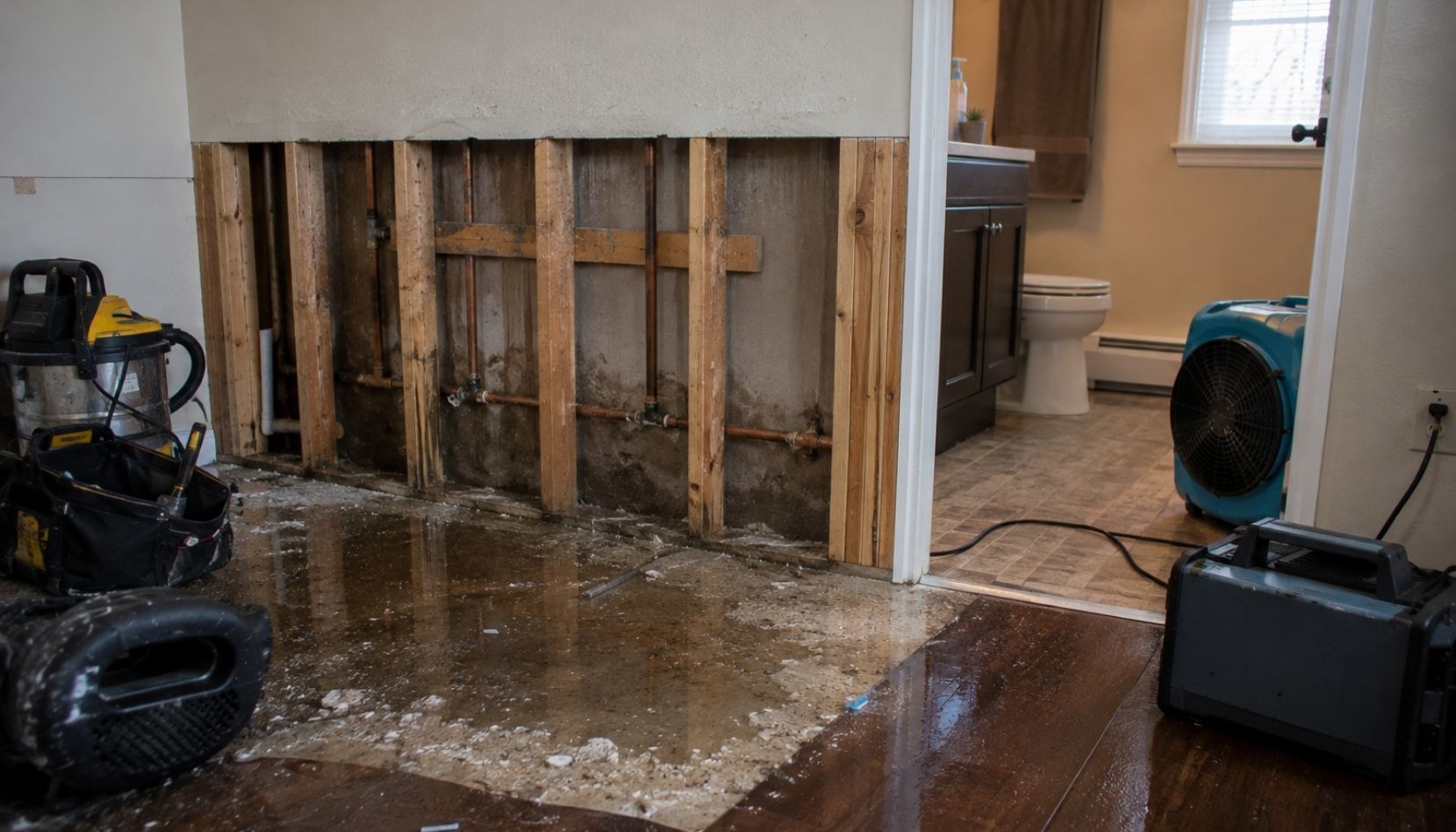
Any one of these can put six inches of water in your basement. Six inches is enough to cause $25,000 or more in damage, and your homeowners policy won't cover a dime of it if the water came from outside.
Preferred Risk Policies: Coverage and Costs
The NFIP created Preferred Risk Policies specifically for properties in low-to-moderate risk zones. These policies offer significantly lower premiums than standard flood insurance because the actuarial risk is lower. For many homeowners, the annual cost is less than a monthly streaming subscription bundle.
Eligibility Requirements for Preferred Risk Pricing
To qualify for a Preferred Risk Policy through the NFIP, your property must meet a few criteria. It needs to be located in a Zone B, C, or X (a non-SFHA area). The building must not have had two or more flood claims of $1,000 or more in any 10-year period. The property also can't have received federal flood disaster assistance that was conditioned on obtaining flood insurance. If your home meets those requirements, you're eligible for some of the lowest flood insurance premiums available. With FEMA's Risk Rating 2.0 methodology now fully in effect, individual property characteristics like elevation, distance to water, and building type also factor into your specific rate.
Comparison: Standard vs. Preferred Risk Policy Limits
Preferred Risk Policies can cover up to $250,000 in building coverage and $100,000 in contents coverage for residential properties. Annual premiums for these policies often fall between $400 and $700 per year for a typical single-family home in a low-risk zone, though some properties qualify for even less. Compare that to standard-rated policies in high-risk zones, where annual premiums can easily exceed $1,500 to $3,000 or more. The value proposition is hard to argue with: for roughly a dollar a day, you're covering a risk that has a meaningful probability of actually occurring.
Comparing Flood Coverage Options for Low-Risk Zones
The NFIP isn't your only option. Private flood insurance has grown substantially over the past several years, and for many homeowners in low-risk zones, private carriers offer competitive or even better terms. An independent agency like Variant Insurance Group can compare both NFIP and private market options across multiple carriers, which is exactly the kind of situation where having someone shop the market for you pays off.
Table: NFIP vs. Private Market Flood Insurance
| Feature | NFIP (Federal) | Private Flood Insurance |
|---|---|---|
| Max Building Coverage | $250,000 | Often $500,000+ |
| Max Contents Coverage | $100,000 | Varies; often higher |
| Typical Annual Cost (Low-Risk Zone) | $400-$700 | $300-$800+ |
| Waiting Period | 30 days | Varies; some as low as 10-14 days |
| Loss of Use Coverage | Not included | Often included |
| Replacement Cost on Contents | Available with endorsement | Typically included |
| Accepted by All Lenders | Yes | Most, but verify |
| Availability | Nationwide | Varies by carrier and location |
Private carriers have been expanding their flood insurance offerings heading into 2026, particularly for properties in low-risk zones where the underwriting math works well for insurers. The key advantage of private policies is flexibility: higher coverage limits, additional coverages like loss of use, and sometimes faster effective dates. The catch is that not every lender accepts every private policy, so if you have a mortgage, confirm with your lender before switching from NFIP.
Common Questions About Non-Mandatory Flood Insurance
FAQ: Does my standard homeowners policy cover any water damage?
Your homeowners policy covers some types of water damage, like a burst pipe or an overflowing washing machine. It does not cover flooding, which is defined as water that enters your home from outside due to rising water, storm surge, or surface runoff. This distinction catches a lot of people off guard after a heavy rain event.
FAQ: Can I get flood insurance if my lender doesn't require it?
Absolutely. Any homeowner can purchase flood insurance regardless of their flood zone designation. You don't need a lender mandate to buy a policy. In fact, the most affordable flood policies are available specifically to homeowners in low-risk zones who buy voluntarily.
FAQ: How much does a basic flood policy cost per year?
For properties in low-to-moderate risk zones, flood insurance costs across the country typically range from $300 to $700 per year depending on coverage limits, your property's specific risk profile, and whether you choose NFIP or a private carrier. Some Minnesota homeowners pay even less, particularly for properties with favorable elevation and distance from water sources.
FAQ: Is there a waiting period before the policy starts?
NFIP policies have a standard 30-day waiting period from the date of purchase before coverage begins. Some private flood policies offer shorter waiting periods of 10 to 14 days. Either way, you can't buy a policy when a storm is approaching and expect immediate coverage, so purchasing well before you think you'll need it is the only strategy that works.
FAQ: Does federal disaster aid replace the need for insurance?
This is one of the biggest misconceptions out there. Federal disaster assistance typically comes as a low-interest loan, not a grant. The average FEMA disaster assistance payment covers only a fraction of actual flood damage. A $50,000 SBA disaster loan at even a modest interest rate will cost you far more over time than decades of flood insurance premiums. Insurance is almost always the better financial decision.
Making the Right Choice for Your Property
The question isn't really whether you need flood insurance outside a flood zone. The question is whether you can afford to absorb $25,000 to $100,000 in damage from an event that has a real, measurable probability of happening, and that your homeowners policy explicitly excludes. The data is clear: a significant share of flood claims come from properties outside high-risk zones, and the scale of flood damage across the country in 2026 continues to grow.
For most homeowners, a preferred risk flood policy costs less per month than a decent lunch out. That's a small price for protection against a risk that too many people discover the hard way.
If you're unsure whether flood coverage makes sense for your specific property, Variant Insurance Group can review your situation and compare options across multiple carriers. As an independent agency, they're not locked into one company's pricing or coverage structure. They can show you what's available, what it costs, and help you decide whether the protection is worth it for your home. Reach out to a local agent who actually understands Minnesota's unique flood risks - from spring snowmelt to urban drainage issues - and get a clear answer before the next storm season arrives.

About the Author
Charlie Brookins
Founder & Agent/Owner, Variant Insurance Group
I'm Charlie Brookins, founder and owner of Variant Insurance Group. I built this agency on one idea: local people and businesses deserve honest advice and coverage that fits their real life. As an independent agent in Maple Plain, I shop many of Minnesota's top-rated carriers to find the right protection for your home, auto, life, and business, and I stay with you through every claim and change. My goal is simple: give you straight answers and coverage you can trust.
Recent Posts