We compare Minnesota's top-rated insurance companies to find you strong coverage at a fair price. One local team handles your personal and business insurance.

Every winter, Minnesota homeowners watch ice build up along their rooflines and wonder what happens if that frozen ridge forces water into their ceilings. The question of whether ice dams are covered by home insurance is one of the most common calls local agents field between December and March, and the answer is more nuanced than a simple yes or no. Your standard homeowners policy likely covers some of the consequences of an ice dam, but it almost certainly won't pay for everything. The distinction between resulting damage and the ice dam itself is where most confusion, and most claim denials, originate.
Understanding what your policy will and won't cover before you're standing in your kitchen staring at a water-stained ceiling can save you thousands of dollars and a lot of frustration. Claim severity for all-peril homeowners insurance hit an all-time high in 2025, increasing 25.9 percent year over year, which means insurers are scrutinizing claims more carefully than ever. Knowing the rules of the game puts you in a much stronger position when you need to file.
This piece breaks down what a typical policy pays for when ice dams cause interior water damage, why the cost of removing the ice itself usually falls on you, and how maintenance exclusions get applied to these claims. Whether you've already spotted water creeping down your walls or you're just trying to prepare for next winter, the information here will help you make smarter decisions about your home and your coverage.
The Basic Rule: Resulting Damage vs. Maintenance Costs
The core principle behind ice dam coverage is a concept insurance professionals call "resulting damage." Your homeowners policy is designed to cover sudden, accidental damage to your home, not the gradual wear and tear that leads to it. An ice dam itself is considered a condition, not a covered peril. But the water that backs up under your shingles and leaks into your living room? That's a different story.
Think of it like a burst pipe. Your insurer won't pay to replace old, corroded plumbing that was bound to fail. But they will pay to repair the water-damaged drywall and flooring that resulted from the burst. Ice dams work the same way. The distinction matters because it determines which line items on your repair estimate get approved and which ones get denied.
When Water Damage Is Covered
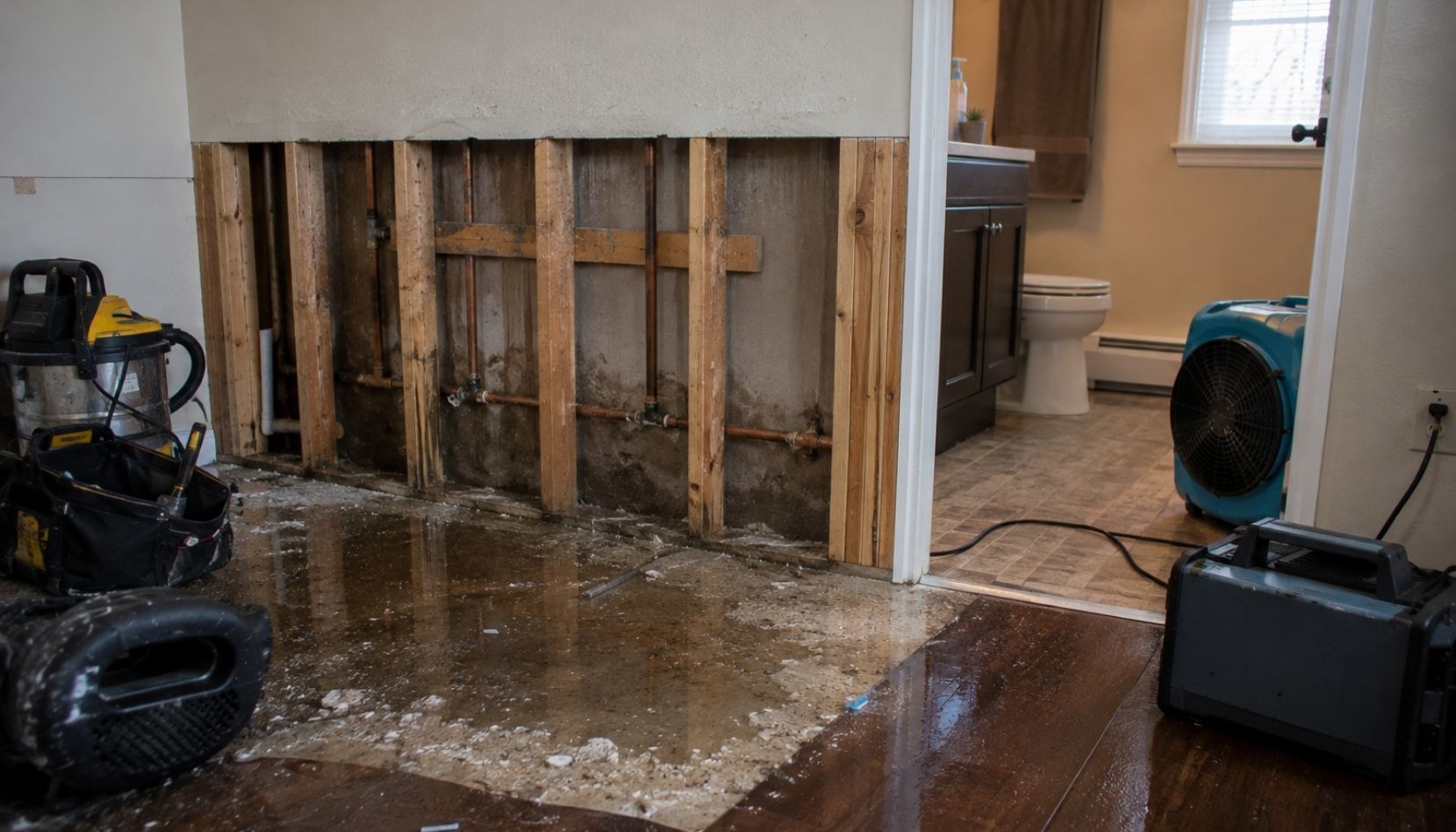
A standard HO-3 policy typically covers water damage to your home's interior when an ice dam forces water through the roof. This includes damaged ceilings, walls, insulation, flooring, and even personal belongings like furniture or electronics that get soaked. The key requirement is that the damage must be sudden and accidental rather than the result of a long-ignored problem.
If an ice dam forms during a heavy freeze and water starts dripping through your ceiling within days, that's generally a covered loss. Your insurer will pay for the interior repairs minus your deductible. Water damage from ice dams is treated similarly to other sudden water intrusion events under most standard policies, which means you'll have coverage for the cleanup, drying, and restoration of affected areas.
Why Ice Removal Is Usually an Out-of-Pocket Expense
Here's where homeowners get frustrated: the cost of actually removing the ice dam from your roof is almost always your responsibility. Insurers view the ice dam as a maintenance issue, something you should address to protect your property, not an insured loss in itself.
Professional ice dam removal typically costs between $600 and $2,000 depending on the size of the dam, roof accessibility, and whether steam removal is used. That's a significant expense, but it's one most policies exclude. Some policies do cover a portion of roof damage caused by the ice dam, such as torn shingles or damaged flashing, but the removal labor itself stays in your column.
Coverage Comparison: What Is and Isn't Included
Here's a quick reference showing what a typical HO-3 policy covers and what it doesn't when ice dams cause problems:
| Expense | Typically Covered | Typically Not Covered |
|---|---|---|
| Interior water damage (drywall, paint, flooring) | Yes | - |
| Damaged personal property (furniture, electronics) | Yes | - |
| Mold remediation from ice dam leak | Often, with limits | May be excluded |
| Ice dam removal from roof | - | Yes |
| Roof repair (damaged shingles/flashing) | Sometimes | Depends on cause |
| Gutter replacement | - | Yes (maintenance) |
| Attic insulation upgrades | - | Yes (improvement) |
| Emergency tarping to prevent further damage | Yes (mitigation) | - |
The gray areas, like mold remediation and roof repairs, depend heavily on your specific policy language and your insurer's interpretation. This is exactly why having a local agent review your policy before winter hits is so valuable.
What Factors Determine Whether Your Ice Dam Claim Gets Approved
Three factors carry the most weight in an ice dam claim decision: the age and condition of your roof, how quickly you responded to the problem, and whether there's evidence of prior neglect. Insurers aren't just looking at the damage itself. They're looking at the story behind it.
A ten-year-old roof in good condition that develops an ice dam during an unusually harsh cold snap tells a very different story than a 25-year-old roof with missing shingles and clogged gutters. Property owners who take proactive steps to prevent ice dams and document their maintenance have a much stronger position when filing claims. Your adjuster will likely inspect the attic for signs of previous leaks, check insulation levels, and assess whether the roof was maintained properly.
How Maintenance Exclusions Impact Your Claim
Every homeowners policy contains a maintenance exclusion, and it's the single biggest reason ice dam claims get reduced or denied. The logic is straightforward: your insurer expects you to maintain your home in reasonable condition. If an ice dam forms because your attic has no insulation, your gutters haven't been cleaned in three years, and your roof vents are blocked, the insurer has grounds to argue the damage was preventable.
The maintenance exclusion doesn't mean your claim automatically gets denied if your home isn't perfect. It means the insurer will evaluate whether reasonable upkeep was performed. A well-maintained home with adequate attic insulation that still gets an ice dam during a brutal Minnesota winter is a very different claim than one involving obvious neglect.
The Duty to Mitigate Further Damage
Once you discover ice dam damage, you have a legal obligation under your policy to take reasonable steps to prevent it from getting worse. This is called the "duty to mitigate," and ignoring it can reduce or eliminate your payout.
Reasonable mitigation steps include placing buckets under active leaks, moving furniture and valuables away from affected areas, and calling a professional to remove the ice dam before more water enters. The good news is that most policies cover these mitigation costs. If you hire someone to tarp your roof or set up industrial fans to dry out a room, those expenses are generally reimbursable as part of your claim.
Signs of Neglect That Could Lead to a Denial
Adjusters are trained to spot evidence that damage was building long before the current claim. Watch out for these red flags that could hurt your case:
Multiple layers of water stains on ceilings or walls, suggesting repeated leaks over several seasons
Inadequate attic insulation, especially in older homes that were never upgraded
Blocked or missing soffit vents that prevent proper attic ventilation
Gutters filled with debris or visibly pulling away from the fascia
Prior ice dam damage that was never properly repaired
If your adjuster finds these issues, they may attribute the damage to long-term neglect rather than a sudden event, which shifts the cost to you.
Filing an Ice Dam Claim Without the Stress
Filing a claim for ice dam damage doesn't have to be a nightmare, but preparation makes all the difference. The homeowners who get the best outcomes are the ones who document everything before calling their insurer and understand what the adjuster needs to see.
Start by contacting your agent, not just the claims hotline. An independent agency like Variant Insurance Group can walk you through the process and advocate on your behalf because they work for you, not a single carrier. That distinction matters when you're trying to get a fair settlement.
Documenting Interior Water Stains and Ceiling Leaks
Photos and videos are your best friends during an ice dam claim. Take clear, well-lit images of every affected area, including close-ups of water stains, bubbling paint, warped flooring, and any damaged belongings. Timestamp everything and take photos from multiple angles.
Keep a written log of when you first noticed the damage, what steps you took to mitigate it, and any professionals you contacted. Save every receipt. Adjusters evaluate ice dam claims based on documented evidence of both the damage and your response to it, so the more thorough your records, the smoother the process.
Working With Adjusters on Roof Repairs
Your adjuster will likely want to inspect the roof, attic, and all affected interior areas. Be present during the inspection if possible, and point out every area of damage you've documented. Don't assume they'll find everything on their own.
If the adjuster's estimate seems low, you have the right to get independent repair estimates and present them. Roof damage from ice dams can sometimes be covered under your dwelling coverage if the ice dam directly caused shingle or structural damage, so make sure the adjuster distinguishes between ice-related damage and pre-existing wear.
Common Questions About Ice Dams and Insurance
Does my deductible apply to ice dam water damage claims? Yes. Your standard homeowners deductible applies just like any other claim. If your deductible is $1,000 and the interior damage totals $3,500, you'll receive $2,500.
Will filing an ice dam claim raise my premiums? It can. Any claim can affect your premium at renewal, though a single weather-related claim is less likely to cause a major increase than multiple claims in a short period.
Can I file a claim for ice dam damage I discovered in the spring? You can, but delayed reporting weakens your case. Report damage as soon as you find it, and explain that the leak wasn't visible until the ice melted.
Does my policy cover ice dam damage to my detached garage or shed? Usually yes. Other structures on your property are covered under Coverage B of a standard HO-3 policy, typically at 10 percent of your dwelling coverage limit.
Should I remove the ice dam myself or hire a professional? Hire a professional. DIY removal with axes, hammers, or salt can void your roofing warranty and cause additional damage that your insurer won't cover.
How Minnesota's Climate Makes Ice Dam Coverage Especially Relevant
Minnesota's freeze-thaw cycles create perfect conditions for ice dams. Daytime temperatures climb above freezing, snowmelt runs toward the eaves, and nighttime refreezing creates a growing ice ridge. Homes in the Twin Cities metro, Duluth, and throughout greater Minnesota deal with this cycle repeatedly each winter.
This regional reality is exactly why working with a local agent matters. Variant Insurance Group understands the specific risks Minnesota homeowners face and can review your policy to make sure you have appropriate coverage before the first snowfall. A five-minute policy review in October can prevent a five-figure surprise in February.
What to Do If Your Ice Dam Claim Gets Denied
A denial isn't always the final word. Request the denial in writing and ask for the specific policy language the insurer is citing. Common reasons for denial include maintenance exclusion application, late reporting, or insufficient documentation.
You can appeal the decision by providing additional evidence, getting a second opinion from a contractor, or hiring a public adjuster to reassess the damage. If you believe the denial is unfair, your state's Department of Commerce handles insurance complaints in Minnesota and can review whether the insurer acted in good faith.
Understanding Your Policy Limits for Water Damage
Water damage from ice dams falls under your dwelling coverage (Coverage A) for structural repairs and your personal property coverage (Coverage C) for damaged belongings. Review your policy's sublimits for water damage, as some policies cap water-related claims at a lower amount than your overall coverage limit.
Water damage accounts for roughly 29 percent of all homeowners insurance claims nationally, making it one of the most common loss types. Knowing your specific limits before a loss occurs helps you set realistic expectations and identify any coverage gaps worth addressing.
Steps to Prevent Ice Dams and Strengthen Future Claims
Prevention is cheaper than any claim. Proper attic insulation (R-49 or higher for Minnesota homes) and ventilation are the two most effective defenses against ice dams. When your attic stays cold, snow on the roof melts evenly instead of creating the warm-spot runoff that feeds ice dams.
Clean your gutters every fall, seal any air leaks between your living space and attic, and consider installing heat cables along vulnerable eave lines. These steps not only reduce the chance of ice dam formation but also demonstrate the kind of maintenance that strengthens your position if you ever need to file a claim.
Protecting Your Home Before the Next Freeze
Ice dam coverage under a standard homeowners policy comes down to one principle: your insurer will pay for the water damage inside your home, but the ice dam itself and the maintenance that could have prevented it are your responsibility. Knowing this distinction before winter arrives gives you the clarity to prepare properly and file effectively if something goes wrong.
Take action now rather than waiting for the first freeze. Schedule an attic insulation inspection, clean your gutters, and call your agent to review your policy limits and deductible. If you're unsure whether your current coverage is adequate for Minnesota winters, Variant Insurance Group can compare options across multiple carriers to find the right fit for your home and budget. A proactive conversation today is worth far more than a reactive claim tomorrow.

About the Author
Charlie Brookins
Founder & Agent/Owner, Variant Insurance Group
I'm Charlie Brookins, founder and owner of Variant Insurance Group. I built this agency on one idea: local people and businesses deserve honest advice and coverage that fits their real life. As an independent agent in Maple Plain, I shop many of Minnesota's top-rated carriers to find the right protection for your home, auto, life, and business, and I stay with you through every claim and change. My goal is simple: give you straight answers and coverage you can trust.
Recent Posts